

Foods high in NAC: target cysteine for antioxidant support
NAC itself is not found in foods. N-acetyl-L-cysteine (NAC) is an acetylated form of L-cysteine used as a supplement, not a food constituent. The practical dietary target is cysteine, the amino acid your body uses to produce glutathione. You obtain cysteine from high-protein foods such as beef, chicken, eggs, and whole grains; the body can also synthesise it from serine and methionine.
The ten foods to prioritise:
- Eggs
- Chicken and turkey
- Beef and pork
- Salmon and white fish
- Cheese and yogurt
- Garlic and onions
- Broccoli and Brussels sprouts
- Oats
- Lentils and beans
- Cashews, sunflower seeds, and pumpkin seeds
Key takeaways
Dietary cysteine, not NAC itself, is the practical food target for supporting glutathione synthesis, and adequate overall protein intake is the most reliable way to meet that need.
| Point | Details |
|---|---|
| NAC is not in foods | NAC is a supplement form; cysteine is the amino acid present in food proteins. |
| Top animal sources | Eggs, chicken, beef, pork, salmon, and dairy deliver the most cysteine per serving. |
| Top plant sources | Lentils, beans, oats, cashews, and seeds contribute cysteine; combine with methionine-rich foods for completeness. |
| Cruciferous and allium vegetables | Garlic, onions, broccoli, and Brussels sprouts add up to ~42% of total dietary sulphur in studied diets. |
| Vivetus supplements | Vivetus provides clinically backed NAC and antioxidant supplements for cases where diet alone is insufficient. |
Table of Contents
- What foods are highest in cysteine?
- NAC vs cysteine vs cystine: what is the difference?
- How does dietary cysteine support glutathione and detox pathways?
- How to get more cysteine from your daily diet
- When food may not be enough: supplements, safety, and interactions
- A Central Europe-friendly day of meals to boost cysteine
- Diet first, supplement when the evidence supports it
- Vivetus NAC supplements: a considered option when diet falls short
- Sources
What foods are highest in cysteine?
Animal proteins deliver the most concentrated cysteine per serving. Plant sources contribute meaningfully when combined well.
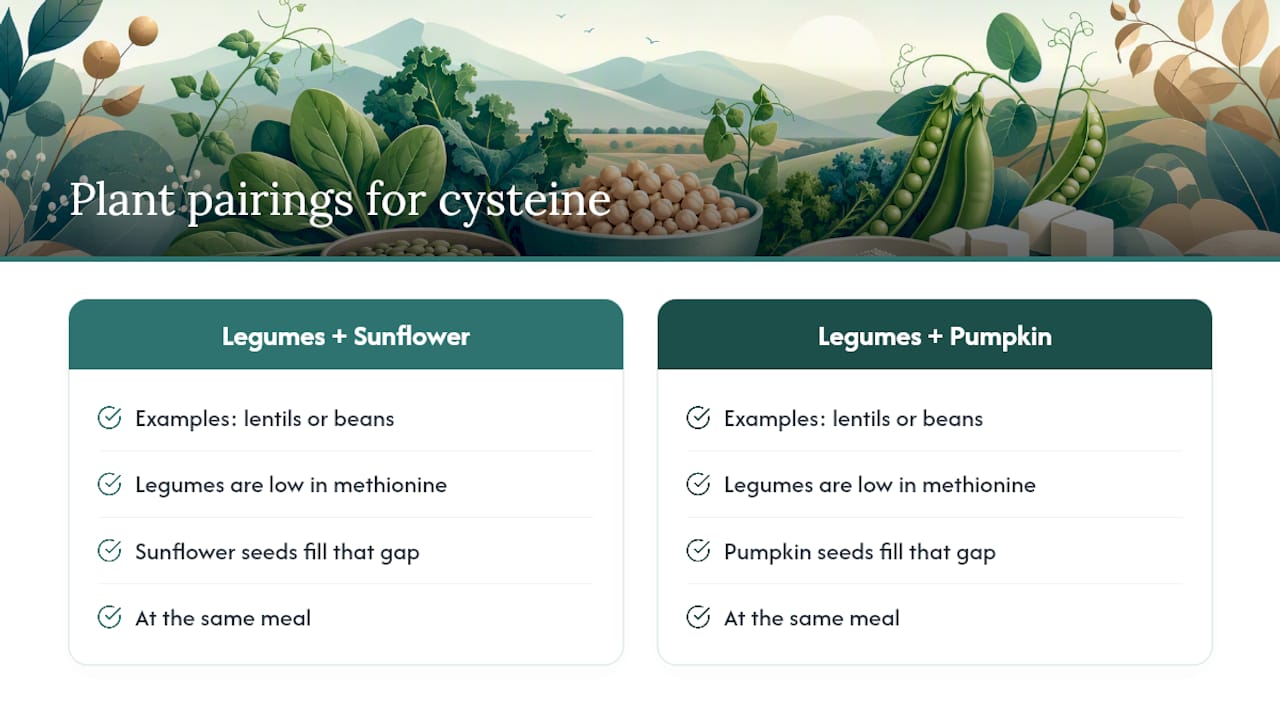
Pro Tip: If you follow a plant-forward diet, pair lentils or beans with sunflower or pumpkin seeds at the same meal. Legumes are low in methionine; seeds fill that gap, giving you a more complete sulphur amino acid profile.
NAC vs cysteine vs cystine: what is the difference?
These three terms appear interchangeably online, but they describe distinct substances.
- NAC (N-acetyl-L-cysteine): a synthetic, acetylated derivative of L-cysteine used as a supplement and pharmaceutical agent. Its natural occurrence in plants is contested, and the evidence for it in Allium species remains limited, so treating foods as “high in NAC” is not scientifically accurate.
- L-cysteine: the amino acid present in food proteins. This is what your body actually absorbs and uses.
- Cystine: the oxidised dimer formed when two cysteine molecules bond. Found in some foods and supplements; the body converts it back to cysteine.
The metabolic link runs in one direction: dietary L-cysteine (from food) → absorbed and used directly, or NAC supplement → deacetylated in the body → releases L-cysteine → available for glutathione synthesis. Eating cysteine-rich foods achieves the same upstream goal without the supplement step.
How does dietary cysteine support glutathione and detox pathways?
Glutathione is the body’s primary intracellular antioxidant, and cysteine is its rate-limiting building block. EFSA’s scientific opinion links L-cysteine and L-methionine to normal glutathione formation, framing both as food constituents that contribute to this process when consumed as part of an adequate overall protein intake. The practical implication: chasing isolated cysteine milligrams matters less than maintaining good protein quality across the day.
Peer-reviewed analysis confirms that most dietary sulphur originates from methionine and cysteine, with cruciferous and alliaceous vegetables contributing up to approximately 42% of total sulphur intake in studied diets. Garlic, onions, broccoli, and Brussels sprouts therefore add a meaningful non-amino-acid sulphur contribution on top of what you get from meat, eggs, and dairy.
Cruciferous and alliaceous vegetables combined contributed a significant share of total dietary sulphur intake in analysed diets, making them a practical complement to protein-rich cysteine sources rather than a replacement for them.
Practical implications for meal planning:
- Prioritise complete proteins (eggs, meat, fish, dairy) as your primary cysteine source.
- Add at least one cruciferous or allium vegetable daily for broader sulphur coverage.
- Include methionine-rich foods (beef, eggs, Brazil nuts) alongside cysteine sources; methionine is a direct precursor for endogenous cysteine synthesis.
- No official recommended daily allowance exists for elemental sulphur, so focusing on overall protein adequacy is more practical than tracking sulphur milligrams.
For a broader view of how these antioxidant pathways interact with healthy ageing, the Vivetus guide on antioxidant support and vitality covers the wider picture.
How to get more cysteine from your daily diet
Shopping
Choose whole-food protein sources over processed alternatives. Eggs, chicken breast, beef mince, natural yogurt, and dried lentils are all widely available and affordable across Central Europe. Variety matters: rotating between animal and plant sources gives you a broader amino acid and sulphur compound profile.
Cooking
- Cook eggs gently (soft-boiled or poached) rather than hard-frying at high heat; prolonged high temperatures can degrade amino acids.
- Steam or briefly stir-fry broccoli and Brussels sprouts rather than boiling them for extended periods, which leaches sulphur compounds into the water.
- Use raw or lightly cooked garlic and onions where possible; heat reduces their organosulphur content.
- Avoid overcooking dairy-based dishes; gentle warming preserves amino acid integrity better than prolonged simmering.
Meal composition
- Combine legumes (lentils, beans) with seeds or whole grains at the same meal to cover methionine gaps in plant proteins.
- Include a methionine-containing food (beef, eggs, Brazil nuts) when your meal is otherwise plant-heavy.
- Keep total daily protein intake adequate; cysteine synthesis from methionine depends on sufficient overall protein supply.
Factors that commonly reduce glutathione synthesis include chronic alcohol consumption, severe protein restriction, and certain medications. If any of these apply, dietary adjustments alone may not be sufficient.
Pro Tip: Consuming a protein-rich meal or snack within two hours of exercise supports muscle protein synthesis and may also assist glutathione replenishment, since physical exertion temporarily increases oxidative demand.
When food may not be enough: supplements, safety, and interactions
Most people consuming a protein-adequate diet will meet their cysteine needs through food alone. Amino acid synthesis from normal dietary protein is sufficient for the majority of healthy adults, and cysteine is classified as a conditionally essential amino acid, meaning the body can produce it under normal circumstances.
Therapeutic NAC doses used clinically are substantially higher than what any diet provides, and those applications sit firmly in medical territory rather than general wellness.
Common considerations before starting NAC supplements:
- Gastrointestinal effects: nausea, vomiting, and diarrhoea are reported at higher doses.
- Drug interactions: NAC may interact with nitroglycerin and certain blood-thinning agents; always disclose supplement use to your prescriber.
- Specific conditions: people with asthma, bleeding disorders, or those taking immunosuppressants should seek medical advice before use.
- Pregnancy and breastfeeding: clinical supervision is advised.
Consult a qualified health professional before starting NAC or high-dose cysteine supplements, particularly if you take prescription medications or have a chronic health condition. This article provides general dietary information only, not medical advice.
For readers weighing food strategies against supplement options, the Vivetus resource on antioxidant supplements, evidence, and safety offers a practical comparison.
A Central Europe-friendly day of meals to boost cysteine
This plan uses foods readily available in Central European supermarkets and includes plant-based swaps.
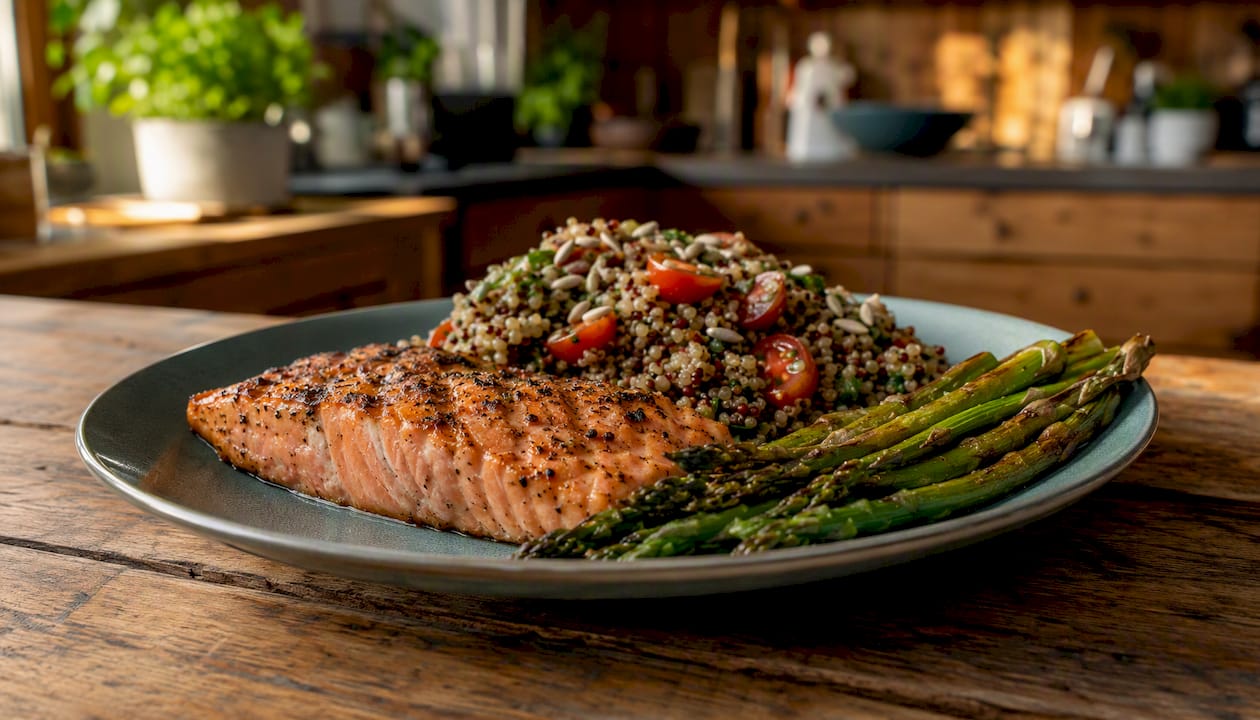
Each meal includes at least one high-cysteine protein source. The plant swaps combine legumes with seeds or nuts to compensate for lower methionine in plant proteins.
Diet first, supplement when the evidence supports it
The pattern across the research is consistent: cysteine status depends on overall protein quality, not on any single food or supplement. Focusing on a varied, protein-adequate diet that includes eggs, meat or fish, dairy, legumes, and cruciferous vegetables covers the practical bases for most healthy adults. Supplements become relevant when diet is genuinely insufficient, when clinical conditions reduce synthesis, or when therapeutic doses are indicated under medical supervision.
What gets underestimated is the contribution of garlic, onions, broccoli, and Brussels sprouts. Most discussions of cysteine focus entirely on animal protein, but the sulphur compounds in these vegetables add a layer of dietary sulphur that protein sources alone do not replicate. A plate that combines a quality protein with a cruciferous or allium vegetable is doing more for your glutathione pathway than a plate of plain chicken breast.
The supplement conversation is worth having honestly. NAC supplements are well-studied and have a clear safety profile at standard doses, but they are not a substitute for dietary adequacy. If your protein intake is low, no supplement corrects that upstream gap efficiently. Get the diet right first; then consider whether a supplement adds anything specific for your situation.
Vivetus NAC supplements: a considered option when diet falls short
Diet is the foundation. When protein intake is consistently adequate and your meals include the sources listed above, most healthy adults have no pressing need for supplementation. For those who do have a gap, whether from dietary restrictions, increased physiological demand, or a specific health context, a clinically backed NAC or cysteine precursor supplement can fill it.
Vivetus offers a range of scientifically backed supplements formulated for healthy ageing and antioxidant support, tested for purity and available with international shipping. This is not medical advice; supplements are tools for specific needs, not a replacement for a varied diet. Speak with a clinician before starting high-dose NAC, particularly if you take prescription medications. When you are ready to consider a supplement, browse the Vivetus range and choose the option that fits your situation.
Sources
- N-acetylcysteine (NAC): Health Benefits, Side Effects, Dosage, and More
- The contribution of alliaceous and cruciferous vegetables to dietary sulphur intake - PMC
- Cancer
- The controversial status of N-acetylcysteine (NAC) as a dietary supplement ingredient — opinion article