

Quercetin and hair loss: what the research shows
TL;DR:
- Targeted topical delivery systems, such as nanocrystal gels and microneedle patches, show the strongest preclinical evidence for follicle regeneration. Oral quercetin supplements provide systemic antioxidant and anti-inflammatory support but are unlikely to reverse advanced hair loss without targeted delivery. Formulation engineering is crucial, as effective follicle healing depends on achieving high local concentrations through advanced delivery methods.
Quercetin shows promising preclinical evidence for supporting hair regrowth, but its clinical value depends heavily on how it is delivered. Studies using targeted topical systems, including nanocrystal gels and microneedle patches, have produced measurable follicle regeneration in animal models. Standard oral supplements reach the scalp at concentrations too low to reverse established miniaturisation on their own.
- Topical targeted systems (nanocrystals, microneedle patches) show the strongest evidence for follicle recovery in preclinical models.
- Oral quercetin supplements may offer systemic anti-inflammatory and antioxidant support, but are unlikely to reverse advanced hair loss without a targeted delivery component.
Table of Contents
- What do the key studies show about quercetin and hair loss?
- How does quercetin act on hair follicles?
- Why does delivery method matter so much?
- How strong is the evidence, and what are its limits?
- What are the safety considerations and potential interactions?
- Practical steps for using quercetin for hair loss in Central Europe
- Why targeted delivery may be the real breakthrough
- Key takeaways
- The evidence is clear on one thing: formulation is not a detail
- Vivetus quercetin: a vetted option for systemic support
- Key sources and further reading
What do the key studies show about quercetin and hair loss?
The evidence base spans three distinct research tiers: animal immunology models, in vitro mechanistic work, and more recent translational topical-delivery studies.
2011 C3H/HeJ mouse model (alopecia areata). The earliest controlled study tested quercetin in the C3H/HeJ mouse, the standard model for alopecia areata (AA). All quercetin-injected mice with spontaneous AA showed hair regrowth within six weeks; systemic delivery also reduced spontaneous onset in untreated animals. The result established quercetin’s immunomodulatory potential in AA, though the delivery route (subcutaneous injection) is not directly translatable to consumer supplements.
2023 single-cell profiling study (Bioactive Materials). Single-cell transcriptome profiling confirmed that topical quercetin stimulates resting hair follicles to grow by driving rapid follicular keratinocyte proliferation and replenishing perifollicular microvasculature in mice. This study is significant because it identified the cellular mechanism, not just the outcome, giving researchers a clear target for formulation design.
Quercetin nanocrystal gel (QT-NC) studies. A nanocrystal gel formulation produced a 2.27-fold increase in cumulative skin penetration and a 2.47-fold increase in skin retention compared with raw quercetin, with improved pigmentation and hair coverage in a DHT-induced androgenetic alopecia (AGA) mouse model.
Polydopamine-quercetin microneedle study (Nano Letters, 2024). The most advanced translational study to date combined a polydopamine-integrated quercetin nanosystem with microneedle delivery. The result was 92.5% hair-regeneration coverage in an AGA mouse model, compared with 87.8% for minoxidil in the same study.
| Study | Model | Key result | Evidence tier |
|---|---|---|---|
| C3H/HeJ quercetin injections (2011) | AA mouse | Regrowth in all treated mice within 6 weeks | Animal (in vivo) |
| Single-cell profiling / topical quercetin (2023) | Mouse + in vitro | Follicle activation; keratinocyte proliferation confirmed | Animal + cellular |
| QT-NC nanocrystal gel | AGA mouse (DHT) | 2.27× penetration; 2.47× skin retention vs raw quercetin | Animal (in vivo) |
| PDA@QLipo + microneedles (2024) | AGA mouse | 92.5% hair-regeneration coverage vs 87.8% minoxidil | Animal (in vivo) |
All results listed above are preclinical. No large-scale randomised controlled trials in humans have yet been published.
How does quercetin act on hair follicles?
Quercetin is a flavonoid found in foods such as onions, capers, and apples. Its relevance to hair biology comes from several converging molecular actions, each targeting a different driver of follicle decline.
Anti-apoptotic signalling in dermal papilla cells. Dermal papilla cells govern follicle cycling. In DHT-exposed cells, quercetin inhibits apoptosis through SHP2/AKT signalling, effectively keeping follicle-sustaining cells alive under androgenic stress. This is not transient stimulation; it addresses a structural cause of miniaturisation.
Angiogenesis via HIF-1α. Perifollicular blood supply deteriorates in both AGA and AA. Quercetin upregulates HIF-1α, which in turn promotes VEGF expression and new vessel formation around follicles. Without restored microvasculature, follicles cannot receive the nutrients needed to sustain the anagen (growth) phase.
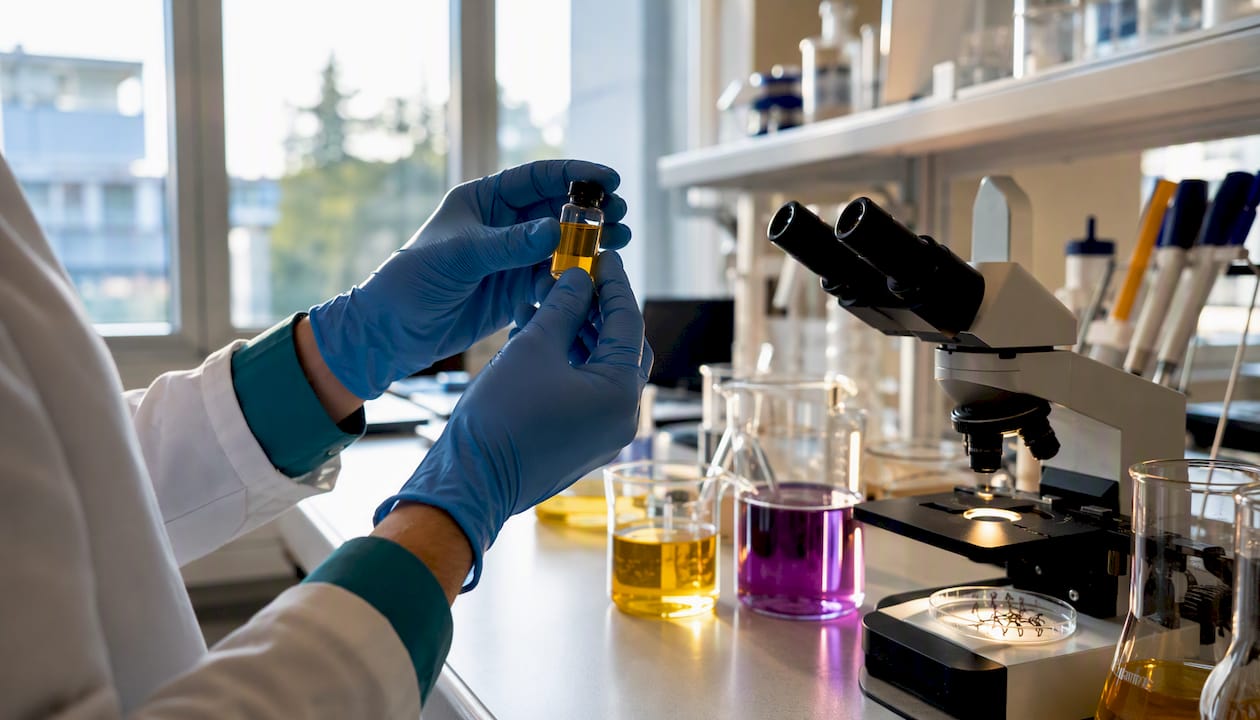
NF-κB suppression and reduced inflammation. Chronic perifollicular inflammation accelerates the telogen-to-catagen shift. Quercetin’s anti-inflammatory actions include downregulation of NF-κB and reduced secretion of pro-inflammatory cytokines, which helps extend the anagen phase.
Antioxidant and ROS scavenging. Reactive oxygen species (ROS) accumulate in miniaturising follicles, damaging papilla cells and the surrounding matrix. Quercetin neutralises ROS directly, reducing oxidative burden at the follicle niche.
Quercetin acts as a multifunctional agent: it reduces inflammation and oxidative stress, inhibits apoptosis in dermal papilla cells via SHP2/AKT, and promotes angiogenesis — a combination that addresses several drivers of follicle miniaturisation simultaneously.
Together, these pathways map onto the hair cycle in a practical way. Reduced apoptosis and inflammation extend anagen; restored microvasculature supports follicle re-entry into anagen from telogen; ROS scavenging protects papilla cells during the transition. The mechanistic picture is coherent, which is why translational researchers have moved quickly from basic studies to targeted delivery systems.
Why does delivery method matter so much?
The gap between quercetin’s mechanistic promise and its real-world performance comes down almost entirely to pharmacokinetics. Oral quercetin is absorbed in the gut, metabolised in the liver, and distributed systemically. By the time it reaches scalp tissue, the local concentration is far below what in vitro studies show is needed to activate the SHP2/AKT pathway or induce meaningful HIF-1α upregulation in follicles.
Topical application of raw quercetin faces a different barrier: the compound is hydrophobic and poorly soluble, so it sits on the skin surface rather than penetrating to the follicle bulb. This is why formulation engineering has become the central focus of the field.
Nanocrystal gels
Co-milling quercetin with glycyrrhizic acid produces nanocrystals in the 200–300 nm range. The reduced particle size dramatically increases surface area and solubility. In preclinical work, QT-NC formulations achieved a 2.47-fold increase in skin retention versus unprocessed quercetin, with synergistic effects when glycyrrhizic acid was co-administered. Practitioners working in translational research now regard nanocrystal gels as the most practical near-term route to clinical benefit.
Microneedle patches
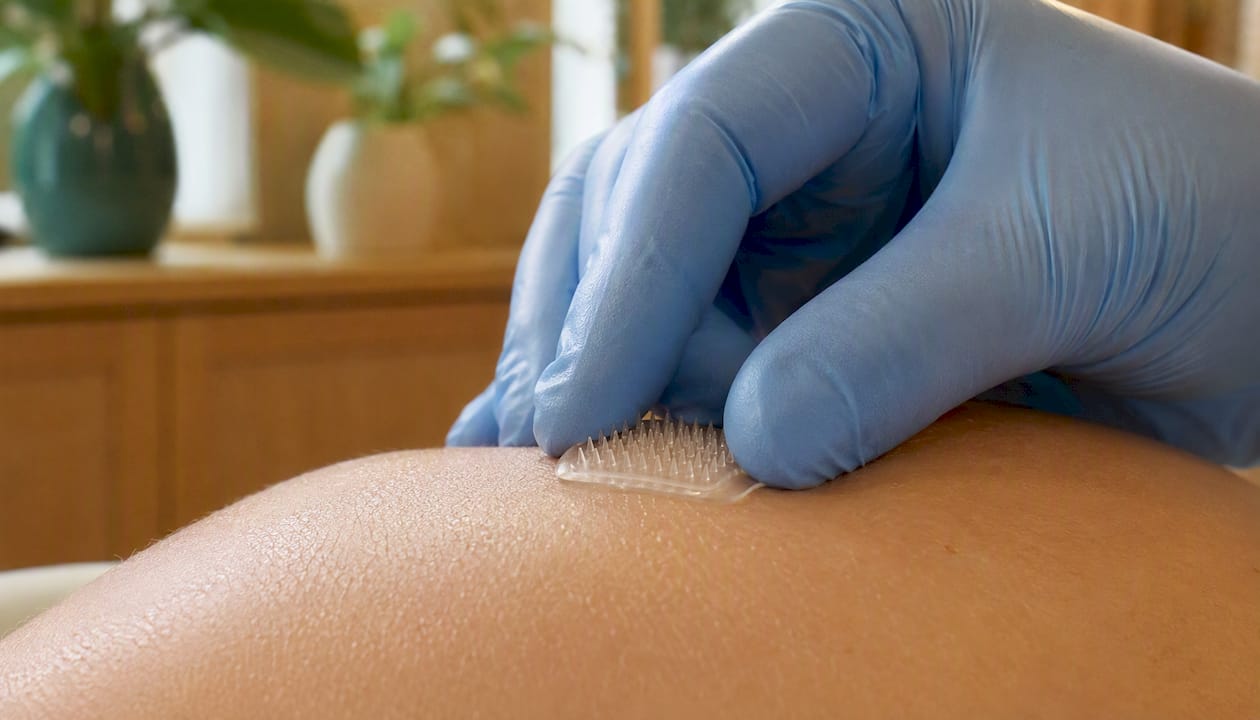
Microneedle delivery bypasses the stratum corneum entirely, depositing quercetin directly into the dermis adjacent to the follicle bulge. The polydopamine-integrated quercetin nanosystem study used this approach and achieved high hair-regeneration coverage compared with minoxidil in the same model. The patch format also allows controlled, sustained release, which matters for compounds that degrade quickly at body temperature.
Liposomal and roller-assisted systems
Liposomal encapsulation improves aqueous dispersion and membrane permeability. Roller-assisted delivery (dermarolling prior to topical application) mechanically disrupts the stratum corneum and increases penetration of any topical agent, including quercetin gels.
Pro Tip: When evaluating a topical quercetin product, look for explicit particle size data (ideally sub-300 nm), named co-formulants such as glycyrrhizic acid, and stability data showing the formulation remains active at room temperature. A label that simply states “quercetin extract” with no delivery information is unlikely to achieve follicular concentrations shown in translational studies.
Oral quercetin supplements are not without value. Systemic antioxidant and anti-inflammatory effects are real and may support overall scalp health, particularly in conditions where systemic inflammation is a driver. The point is that oral supplementation alone is unlikely to reverse established follicle miniaturisation, and should be considered a supportive measure rather than a primary intervention for AGA.
How strong is the evidence, and what are its limits?
The research is promising but sits firmly in the preclinical tier for most applications. Understanding where the evidence is strong and where it is thin helps set realistic expectations.
Evidence tiers, from strongest to weakest for quercetin and hair:
- Randomised human clinical trials: none published to date for topical quercetin hair systems
- Controlled translational animal studies (AGA and AA mouse models): multiple, with quantitative outcomes
- In vitro and single-cell mechanistic studies: strong, with clear pathway identification
- Case reports and secondary coverage: present but not independently informative
Common limitations across the published studies:
- All in vivo results are from mouse models; murine follicle biology differs from human in cycle length, density, and hormonal sensitivity
- Sample sizes in animal studies are small, typically 5–15 animals per group
- Follow-up periods are short (6–12 weeks), covering only 1–2 hair cycles
- End points are often surrogate measures (hair coverage percentage, pigmentation score) rather than validated clinical outcomes such as hair density counts or patient-reported outcomes
- No study has yet compared nanocrystal or microneedle quercetin directly against standard-of-care treatments in humans
| Year | Study type | Evidence level | Key limitation |
|---|---|---|---|
| 2011 | AA mouse model | Animal in vivo | Species difference; injection route |
| 2023 | Single-cell + topical mouse | Animal + cellular | No human cohort |
| 2024 | AGA mouse, microneedle | Animal in vivo | Small n; no human data |
| 2024 | QT-NC nanocrystal gel | Animal in vivo | Surrogate end points |
The field is moving quickly. The progression from basic immunology (2011) to single-cell mechanistic profiling (2023) to engineered delivery systems (2024) represents genuine scientific momentum. The absence of human RCTs is the critical gap, and it is one that researchers in the field acknowledge directly.
What are the safety considerations and potential interactions?
Quercetin has a well-characterised safety profile at typical dietary and supplement doses. At higher therapeutic doses, several considerations apply.
Gastrointestinal effects. The most commonly reported adverse effects from oral quercetin supplements are mild GI symptoms: nausea, stomach discomfort, and loose stools, particularly at doses above 1,000 mg per day. These are dose-dependent and generally resolve on reducing intake.
CYP enzyme interactions. Quercetin inhibits several cytochrome P450 enzymes, including CYP3A4 and CYP2C9. This is clinically relevant for people taking drugs metabolised by these pathways, including certain statins, anticoagulants such as warfarin, and some immunosuppressants. The interaction is concentration-dependent and more likely at high supplemental doses than at dietary levels.
At high supplemental doses, quercetin’s inhibition of CYP3A4 and CYP2C9 can alter plasma levels of co-administered drugs. Anyone taking anticoagulants, statins, or immunosuppressants should discuss quercetin use with their prescribing clinician before starting.
Pregnancy and breastfeeding. Sufficient safety data in pregnancy are not available. Standard guidance is to avoid high-dose quercetin supplements during pregnancy and breastfeeding.
Topical use. Topical quercetin formulations have not shown systemic adverse effects in preclinical studies, but standardised dosing for topical applications does not yet exist. Concentration varies widely between products, and the absence of a label concentration figure is a practical red flag.
Pre-surgical caution. High-dose quercetin may affect platelet function. Clinicians generally advise stopping high-dose flavonoid supplements before elective surgical procedures; the specific timing should be confirmed with the treating clinician.
Pro Tip: Before starting quercetin at doses above dietary levels, bring a full medication list to your GP or pharmacist. The CYP interaction profile means that even supplements marketed as “natural” can alter the behaviour of prescription drugs in ways that are not immediately obvious.
Practical steps for using quercetin for hair loss in Central Europe
A structured approach reduces the risk of spending money on products unlikely to help your specific hair-loss type.
Step 1: Identify your hair-loss type with a clinician. Androgenetic alopecia (AGA), alopecia areata (AA), and telogen effluvium have different drivers. Quercetin’s evidence is strongest for AGA (DHT-mediated miniaturisation) and AA (immune-mediated). Telogen effluvium driven by nutritional deficiency or acute stress responds better to addressing the underlying cause.
Step 2: Prioritise topical targeted systems for follicle-level effects. If your goal is follicle recovery, a nanocrystal gel or microneedle-assisted topical product is the most evidence-aligned choice. Standard topical quercetin solutions without delivery engineering are unlikely to reach effective follicular concentrations.
Step 3: Evaluate oral supplements by formulation quality, not marketing claims.
- Look for third-party testing certificates (e.g. ISO-accredited laboratory analysis)
- Check the stated quercetin form: quercetin dihydrate and quercetin phytosome have better-characterised bioavailability than generic “quercetin extract”
- Confirm the dose per capsule is stated clearly
- Prefer suppliers with transparent ingredient sourcing and vegan certification if relevant to you
Step 4: Set a realistic monitoring period. Hair cycles in humans run 3–6 months. Photograph the affected area under consistent lighting at baseline, then at 3 and 6 months. Do not assess results at 4–6 weeks; that is too early to see cycle-level changes.
Step 5: Discuss combination with evidence-based treatments. Topical minoxidil and, for AGA, oral finasteride remain the most clinically validated options. Quercetin is not a replacement; it may be a complementary addition, particularly for its anti-inflammatory and antioxidant effects. For AA specifically, quercetin’s immunomodulatory properties make it a candidate adjunct, but immune-modulating conditions require clinician supervision.
Buying checklist for Central Europe:
- Third-party purity certificate available on request or on the product page
- Quercetin concentration per serving stated in milligrams
- Delivery format specified (standard capsule vs phytosome vs nanocrystal)
- Vegan and allergen status confirmed
- Subscription option available to maintain consistent dosing
- Shipping to your country confirmed before purchase
Pro Tip: Quercetin compared with related polyphenols such as resveratrol has a distinct anti-androgenic and anti-apoptotic profile that makes it specifically relevant to AGA. If you are already taking a longevity supplement stack, check for overlap before adding a standalone quercetin product.
Why targeted delivery may be the real breakthrough
The most important insight from the recent translational literature is not that quercetin works, but why it works when delivered correctly. Two mechanisms appear essential: ROS scavenging at the follicle niche and restoration of perifollicular microvasculature. Neither is achievable at the concentrations that standard oral or crude topical formulations deliver to scalp tissue.
The single-cell profiling study confirmed that topical quercetin replenishes perifollicular microvasculature alongside stimulating keratinocyte proliferation. The vascular component matters because miniaturising follicles are nutrient-deprived; restoring blood supply is a prerequisite for sustained anagen re-entry, not an optional add-on.
Perifollicular microvascular failure is a central pathophysiological feature in androgenetic alopecia. Targeted quercetin delivery that restores local vasculature via HIF-1α and VEGF is what separates a functional regenerative approach from a simple antioxidant application.
The polydopamine-quercetin microneedle system achieved 92.5% hair-regeneration coverage precisely because it combined ROS scavenging with angiogenesis promotion and delivered both at the follicle level. Applying an antioxidant to the scalp surface without addressing the vascular deficit will not rescue follicles that have lost their nutrient supply. This is the mechanistic reason why delivery engineering is not a commercial add-on; it is the science.
Key takeaways
Quercetin’s value for hair loss is real but conditional: targeted topical delivery is what converts preclinical promise into measurable follicle recovery, while oral supplements provide systemic support rather than direct follicle rescue.
| Point | Details |
|---|---|
| Topical delivery is decisive | Nanocrystal gels and microneedle patches achieve a 2.47-fold increase in skin retention compared with raw quercetin. |
| Preclinical evidence is strong | Animal models show high hair-regeneration coverage. Human RCT data are not yet available. |
| Multiple mechanisms converge | Quercetin acts via SHP2/AKT apoptosis inhibition, HIF-1α angiogenesis, and NF-κB suppression simultaneously. |
| Safety flags apply | CYP enzyme interactions are relevant for anticoagulants and statins; confirm with a clinician before high-dose use. |
| Vivetus quercetin supplements | Vivetus offers third-party-tested, vegan quercetin products with transparent dosing for systemic support. |
The evidence is clear on one thing: formulation is not a detail
Most articles on quercetin for hair growth treat delivery as a footnote. The research does not. Every study that produced a meaningful quantitative result, from the 92.5% regeneration coverage in the microneedle trial to the 2.47-fold skin retention improvement with nanocrystals, achieved it through formulation engineering, not through quercetin alone.
This matters for how you read supplement labels. A product that lists quercetin at 500 mg per capsule without specifying the form, particle size, or co-formulant is giving you incomplete information. The dose is not the variable that predicts efficacy at the follicle level; the delivery architecture is.
That said, dismissing oral quercetin entirely would be an overcorrection. Systemic anti-inflammatory and antioxidant effects are real and documented. For someone managing a condition where chronic low-grade inflammation is a contributing factor, a well-formulated oral supplement is a reasonable part of a broader protocol. The point is to be clear about what each format can and cannot do, and to set expectations accordingly rather than treating any supplement as a standalone solution for established hair loss.
Clinician involvement is not optional for immune-mediated conditions like AA. The 2011 mouse model result is compelling, but AA is a complex autoimmune condition, and self-managing it with supplements without professional oversight carries genuine risk.
Vivetus quercetin: a vetted option for systemic support
For those looking to add a quality quercetin supplement to their protocol, Vivetus offers third-party-tested, vegan quercetin products with clearly stated dosing per capsule and subscription options for consistent long-term use. The Energy & Vitality bundel pairs quercetin with complementary longevity compounds, making it a practical choice for anyone building a broader supplement stack rather than taking a single isolated compound.

What sets Vivetus apart from generic supplement retailers is ingredient transparency: purity certificates, vegan certification, and stated concentration per serving are standard, not optional extras. Free shipping on orders over €50 applies across Central Europe, and subscription pricing reduces the per-unit cost for those committing to a 3–6 month monitored trial.
Browse the Vivetus quercetin range and, if you are combining with prescription treatments or managing an immune-mediated hair condition, confirm your protocol with a clinician before starting.
This article provides general information only and is not a substitute for professional medical advice. Consult a qualified clinician for personalised guidance on hair loss treatment.
Key sources and further reading
| Study / source | Summary | Link |
|---|---|---|
| Single-cell profiling of quercetin in hair regeneration (2023) | Confirms topical quercetin activates resting follicles and restores perifollicular microvasculature in mice via single-cell transcriptomics. | PubMed |
| Prevention and treatment of AA with quercetin, C3H/HeJ model (2011) | Subcutaneous and systemic quercetin induced regrowth in AA mice within six weeks and reduced spontaneous onset. | DOI link |
| Polydopamine-quercetin nanosystem + microneedles (Nano Letters, 2024) | Microneedle-delivered quercetin nanosystem achieved 92.5% hair-regeneration coverage in AGA mice, outperforming minoxidil. | ACS Nano Letters |
| Quercetin nanocrystal gel for AGA (PubMed) | QT-NC produced 2.27× penetration and 2.47× skin retention versus raw quercetin in a DHT-induced AGA model. | PubMed |
| QT-NC formulation detail (MDPI Pharmaceutics) | Co-milling with glycyrrhizic acid produces 200–300 nm nanocrystals with synergistic dermal permeability improvements. | MDPI |
| Quercetin rescues DHT-treated dermal papilla cells | Mechanistic report on SHP2/AKT apoptosis inhibition in human dermal papilla cells under androgenic stress. | Springer Medizin |