

What is the right resveratrol dosering for health benefits?
Most human trials use somewhere between 100 mg and 1,000 mg of resveratrol per day, with 250 to 500 mg/day standing out as the most practical, well-tested range for general use. Talk to a clinician first if you take prescription medicines, are pregnant, or are breastfeeding, since the correct dose also shifts with formulation and your specific health goal.
TL;DR:
- Most clinical trials use doses between 250 and 500 mg daily, which aligns with the most well-studied and practical range for general use.
- Absorption of resveratrol is limited to low bloodstream concentrations because the body rapidly converts it into inactive metabolites, making higher doses necessary for systemic effects.
- Doses up to 1 gram per day are generally tolerated with mild gastrointestinal side effects, but higher doses may increase the risk of liver enzyme changes and interactions with medications.
- Starting with 100 to 250 mg daily for one to two weeks helps assess tolerance, with gradual increases based on individual response and health goals.
- Using formulations with reliable purity, and consulting a healthcare professional if on medication, ensures safer and more effective supplementation.
Table of Contents
- What doses have clinical studies actually tested?
- Why does absorption change what dose you actually need?
- Is resveratrol safe, and what interactions should you watch for?
- How should you choose and adjust your starting dose?
- Where does Vivetus fit into evidence-based dosing?
- Why modest dosing beats chasing the highest number
- Get the trial-aligned dose without the guesswork
- Sources
What doses have clinical studies actually tested?
Trial designs vary enormously, which is exactly why so much confusion surrounds resveratrol dosering. A systematic review of resveratrol clinical trials found that study doses range from as little as 5 mg up to 5,000 mg per day, yet 88% of trial groups stayed at or below 1 gram daily. The single most common dose across this research is around 500 mg per day, which makes it a sensible anchor point for anyone weighing up how much resveratrol to take.
Regimens reported in the literature include:
- Split dosing: 75 to 150 mg taken twice daily, often used in early absorption and tolerability studies.
- Standard daily dosing: 250 to 500 mg once a day, the range most consumer-facing products are built around.
- Higher fixed doses: 500 mg or 1 g daily, used in trials targeting metabolic or cardiovascular markers.
- Short-term high-dose testing: single or repeated doses in the gram range, typically run for days rather than months.
- Metabolic dose-ranging groups: structured comparisons such as 100, 300, and 600 mg/day, used in a randomised metabolic outcomes trial to isolate dose-response effects.
Trial duration matters just as much as the dose itself. Some pharmacokinetic studies run for a single day, tracking blood markers hour by hour, while tolerability and disease-focused trials extend from several weeks to as long as 12 months. Endpoints studied range from blood glucose and lipid markers to cognitive performance and inflammatory signals, so “what resveratrol does” depends heavily on which dose and which endpoint a given study actually measured.
Why does absorption change what dose you actually need?
Here’s the catch with resveratrol: your body absorbs it reasonably well, then dismantles it almost immediately. Oral resveratrol passes through the gut wall without much trouble, but the liver and intestine rapidly convert it into glucuronide and sulfate metabolites, according to pharmacokinetic research from the Linus Pauling Institute. That means the parent compound, the form most lab studies test for biological activity, only ever reaches low concentrations in your bloodstream, no matter how much you swallow.
Early pharmacokinetic work found that a single 25 mg oral dose produced peak total resveratrol concentrations of roughly 1.8 to 2 micromoles per litre in plasma, a figure dominated by metabolites rather than the active parent molecule. Peak plasma levels (Tmax) typically arrive within one to two hours of dosing, and repeated daily use tends to raise the peak concentration of certain metabolites over time, which is worth knowing if you take resveratrol every day rather than occasionally.
The practical upshot: smaller oral doses may still influence tissues that resveratrol contacts directly, such as the gut lining, while reaching meaningful systemic levels elsewhere in the body typically calls for larger doses or enhanced formulations. Our guide to resveratrol’s role in vitality unpacks how this absorption pattern shapes realistic expectations for supplementation.
Is resveratrol safe, and what interactions should you watch for?
Resveratrol has a reasonably good tolerability record at moderate doses, but the risk profile shifts once you push higher. A dose-escalation trial in Alzheimer’s disease took participants up to 1 g twice daily over several months and found it generally tolerated, with the most common adverse events being mild gastrointestinal symptoms similar to those reported on placebo.
Reported side effects tend to cluster around a few themes:
- Gastrointestinal upset, including nausea and diarrhoea, the most frequently reported issue.
- Dose-related severity, meaning symptoms become more noticeable as daily intake increases past a moderate gram-level dose.
- Liver enzyme changes, occasionally flagged in higher-dose trials, reinforcing the case for periodic monitoring in extended use.
- Limited long-term data, since most trials run for months rather than years, according to a literature review of resveratrol’s adverse effects.
The interaction risk deserves its own mention. Resveratrol can inhibit certain cytochrome P450 (CYP) liver enzymes involved in drug metabolism, which matters if you take anticoagulants, some statins, or certain antidepressants, since these medication classes are commonly metabolised through the same pathways.
Pro Tip: If you’re on any regular prescription medicine, mention resveratrol to your pharmacist or GP before starting, even at a modest dose. CYP enzyme interactions are unpredictable and depend on your specific medication, not just the supplement.
How should you choose and adjust your starting dose?
Start conservative, then adjust based on tolerance and your actual goal rather than jumping to the highest dose you’ve seen mentioned online.
- Begin at 100 to 250 mg per day for one to two weeks, giving your gut time to adjust and letting you spot any digestive discomfort early.
- Step up to 500 mg per day if you tolerate the starting dose well and your goal calls for the systemic biomarker effects tested in most human trials.
- Match the dose to the target. Lower doses are more relevant if you’re interested in gut or colon-level effects, since resveratrol contacts that tissue directly before being broken down; 500 mg or more aligns with the systemic markers most trials actually measured.
- Give it time. Trials assessing metabolic or cognitive endpoints typically ran for weeks to months, so judging benefit after a few days is premature.
- Consider timing and bioenhancers. Some people take resveratrol with meals for comfort; combining it with piperine has shown a measurable boost in outcomes like cerebral blood flow in a randomised crossover trial, even without a clear rise in measured plasma levels. Evidence here is promising but not conclusive.
- Choose a formulation you trust. Capsule quality and purity testing affect how consistently you receive the labelled dose.
| Starting point | Typical range | What it’s suited for |
|---|---|---|
| Introductory phase | 100–250 mg/day | Gauging tolerance, gut-level effects |
| Standard maintenance | 250–500 mg/day | Most-studied general use range |
| Higher trial-aligned dose | 500 mg–1 g/day | Systemic biomarkers, under guidance |
Where does Vivetus fit into evidence-based dosing?
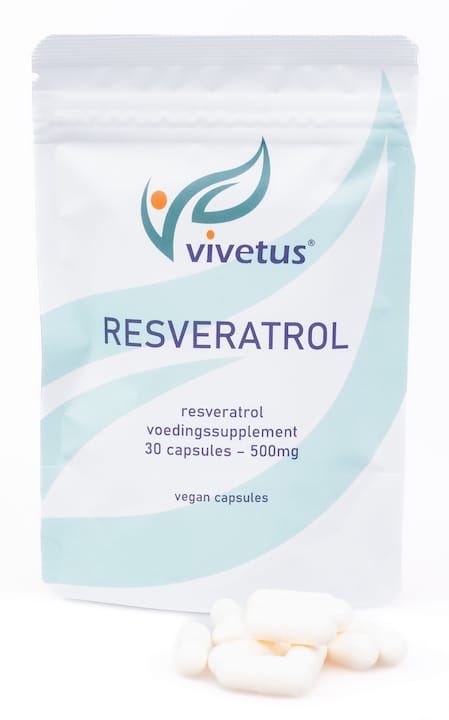
Vivetus built its resveratrol supplement with this trial data in mind. The Vivetus® Resveratrol capsule delivers 500 mg per serving, sitting squarely at the dose most frequently used across clinical research and offering a straightforward one-capsule-a-day starting point for the maintenance range described above.
For readers who want a broader approach, Vivetus offers two bundled options:
- The Longevity Core bundel pairs resveratrol with complementary longevity-focused ingredients for a structured daily regimen.
- The Cell Protection bundel combines resveratrol with other antioxidant-supporting supplements for readers focused on cellular health.
Vivetus operates as a vegan, science-led supplement platform, with every product tested for purity and paired with plain-language sourcing information, including a deeper look at resveratrol’s chemical structure for readers who want the formulation detail behind the capsule. Browse the full resveratrol collection to compare formats before you commit to a regimen.
Why modest dosing beats chasing the highest number
Resveratrol research keeps bumping into the same wall: hormesis. Effects that look beneficial at low-to-moderate doses can flatten or reverse at higher ones, and the field still hasn’t nailed down a single optimal dose for any specific outcome. That uncertainty is not a reason to avoid resveratrol. It’s a reason to distrust anyone promising a precise, universal number.
Interindividual variability compounds the problem. Two people taking the same 500 mg dose can metabolise it at noticeably different rates depending on gut flora, liver enzyme activity, and overall health status. A systematic review of resveratrol trials concluded that evidence remains insufficient to recommend routine clinical use for disease prevention, despite genuinely promising biomarker signals in individual studies.
That’s why conservative dosing, paired with clinician input for anyone on medication or managing a health condition, remains the sensible default while the research base grows.
— Jord
Get the trial-aligned dose without the guesswork
Working out resveratrol dosering from research papers alone is genuinely difficult when trial designs range from 5 mg to 5 grams a day. Vivetus removes that friction by building its capsule around the 500 mg dose most consistently used in human studies, so you start at a level backed by actual clinical data rather than a marketing claim.
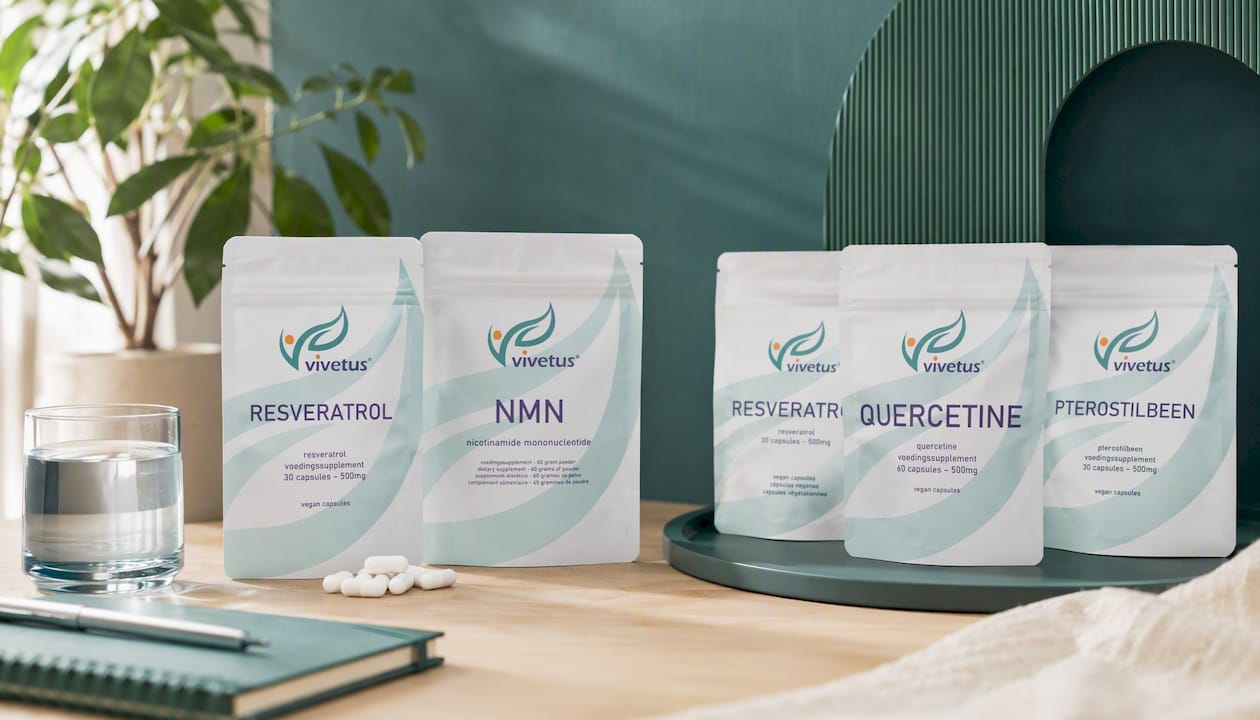
The Vivetus® Resveratrol capsule suits anyone following the step-up approach outlined above, from a first-time 250 mg trial period through to full 500 mg daily maintenance. If you’re building a broader longevity routine, the Longevity Core bundel and Cell Protection bundel combine resveratrol with complementary ingredients tested for purity, so you’re not left guessing how different supplements interact. Visit the product page today, check the current formulation details, and place an order with free shipping on orders over €50.
This article is general information, not a substitute for advice from a qualified doctor. Consult a qualified healthcare professional about your own circumstances before acting on anything here.
Sources
- Resveratrol for the Management of Human Health: How Far Have We Come? A Systematic Review of Resveratrol Clinical Trials to Highlight Gaps and Opportunities
- Resveratrol | Linus Pauling Institute, Oregon State University
- Potential adverse effects of resveratrol: a literature review
- A randomized, double-blind, placebo-controlled trial of resveratrol for Alzheimer disease