

What is the aging process: a complete guide for adults
TL;DR:
- Aging begins with cellular changes like telomere shortening and mitochondrial decline long before outward signs appear. Lifestyle choices and early interventions can significantly delay age-related disabilities and improve healthspan. Aging varies among individuals, but consistent healthy habits can optimize functional aging and reduce disease risks.
The aging process is the continuous, progressive accumulation of cellular and molecular changes that gradually alter how the body functions over time. Biologists refer to this as senescence, a term covering both the decline of individual cells and the broader physiological shifts that follow. Crucially, aging does not begin at 60 or even 40. Metabolic decline starts around age 20, while sensory changes such as hearing loss typically emerge after 50. Understanding this timeline matters because it shifts the focus from managing old age to building habits that protect health across the whole of adult life.
What is the aging process at a cellular level?
Aging begins inside your cells, long before any outward signs appear. The two most studied drivers are cellular senescence and telomere shortening. Telomeres are protective caps at the ends of chromosomes. Each time a cell divides, those caps shorten slightly. When they become too short, the cell can no longer divide safely and enters a senescent state, sometimes called a “zombie cell” because it stops functioning but refuses to die. These zombie cells accumulate in tissues, triggering localised inflammation and slowing the body’s ability to repair itself.
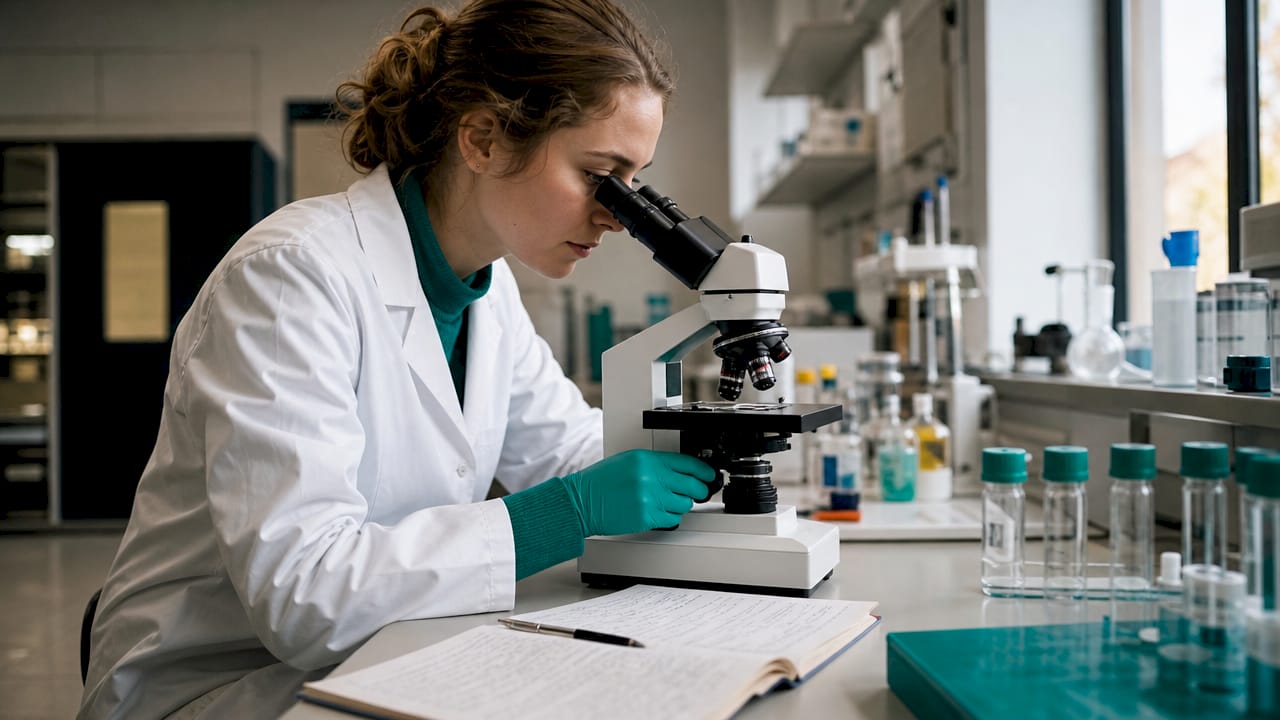
Alongside telomere dynamics, mitochondrial efficiency declines from around age 20–30. Mitochondria are the energy producers inside every cell. As their output drops, cells have less fuel for repair, immune response, and growth. Stem cell activity also falls, meaning the body replaces worn-out tissue more slowly. DNA damage accumulates faster than repair mechanisms can correct it. Together, these changes create a compounding effect: each decade, the body’s maintenance systems become slightly less effective.
| Mechanism | What happens | Effect on the body |
|---|---|---|
| Telomere shortening | Chromosome caps erode with each cell division | Cells stop dividing; tissue repair slows |
| Cellular senescence | Cells become inactive but persist in tissue | Chronic low-grade inflammation |
| Mitochondrial decline | Energy output falls in cells | Fatigue, slower metabolism |
| DNA damage accumulation | Repair systems fall behind damage rate | Increased risk of cell dysfunction |
| Reduced stem cell activity | Fewer replacement cells produced | Slower recovery from injury or illness |
Pro Tip: Focusing on sleep quality is one of the most direct ways to support DNA repair. The body carries out the majority of cellular maintenance during deep sleep, making consistent rest a genuine biological priority rather than a lifestyle preference.
How does aging affect the body’s systems?
The biological aging process does not affect every system at the same rate. Some changes are subtle and begin in early adulthood; others become noticeable only in later decades. The Merck Manual notes that many apparent declines are caused by accumulated lifestyle and disease effects rather than pure aging. That distinction matters because it means a significant portion of what people attribute to “getting older” is actually modifiable.
Common age-related changes across the body’s systems include:
- Skin and connective tissue: Collagen production slows, reducing skin elasticity. Wound healing takes longer. Subcutaneous fat redistributes, changing body contours.
- Cardiovascular system: The heart muscle stiffens slightly, reducing maximum output during exertion. Arterial walls become less flexible, raising blood pressure.
- Musculoskeletal system: Muscle mass declines from around age 30 onwards, a process called sarcopenia. Bone density falls, particularly after midlife, increasing fracture risk.
- Immune system: The immune response becomes less precise. Older adults produce fewer new immune cells and mount weaker responses to new threats.
- Cognitive function: Processing speed slows with age, though vocabulary and accumulated knowledge typically remain stable or even improve into the 60s.
- Sensory changes: Hearing loss and reduced near-vision focus are among the most consistent age-related changes across populations.
The key point is that aging is highly individualized, with large differences in physical and mental capacity among people of the same chronological age. Genetics, environment, and lifestyle all shape how quickly these changes appear. Two people aged 65 can have vastly different functional capacities. That variability is not random. It reflects decades of accumulated choices and exposures.
What emotional and social impacts come with aging?
Aging is not purely physical. Emotional and social transitions significantly affect wellbeing as people move through later life. Retirement removes a major source of daily structure and identity. The loss of peers through death or relocation reduces social networks. These shifts can contribute to loneliness, low mood, and a reduced sense of purpose, all of which have measurable effects on physical health.
The emotional experience of aging also includes positive aspects that are often overlooked. Research consistently shows that emotional regulation tends to improve with age. Older adults often report greater contentment, clearer priorities, and less reactivity to minor stressors than younger adults. The picture is not one of uniform decline.
Practical strategies for managing the social and emotional side of aging include:
- Maintain active social connections. Regular contact with friends, family, or community groups reduces the health risks associated with isolation.
- Build new sources of purpose. Volunteering, mentoring, or learning new skills can replace the structure previously provided by work.
- Seek professional support early. Addressing mood changes or anxiety promptly prevents them from developing into more serious conditions.
- Stay physically active in social settings. Group exercise classes or walking groups combine physical and social benefits simultaneously.
Pro Tip: Social connectivity is as important to healthspan as diet or exercise. Treating social engagement as a health behavior, not just a pleasure, changes how consistently you prioritize it.
What strategies support healthy aging?
Healthy aging aims to delay frailty and functional decline through diet, physical activity, and avoiding harmful habits. The evidence here is clear and consistent. Lifestyle choices made in midlife directly affect health outcomes in later decades. The goal, as researchers increasingly frame it, is to extend healthspan—the years lived without significant illness or disability—not just to add years to life.
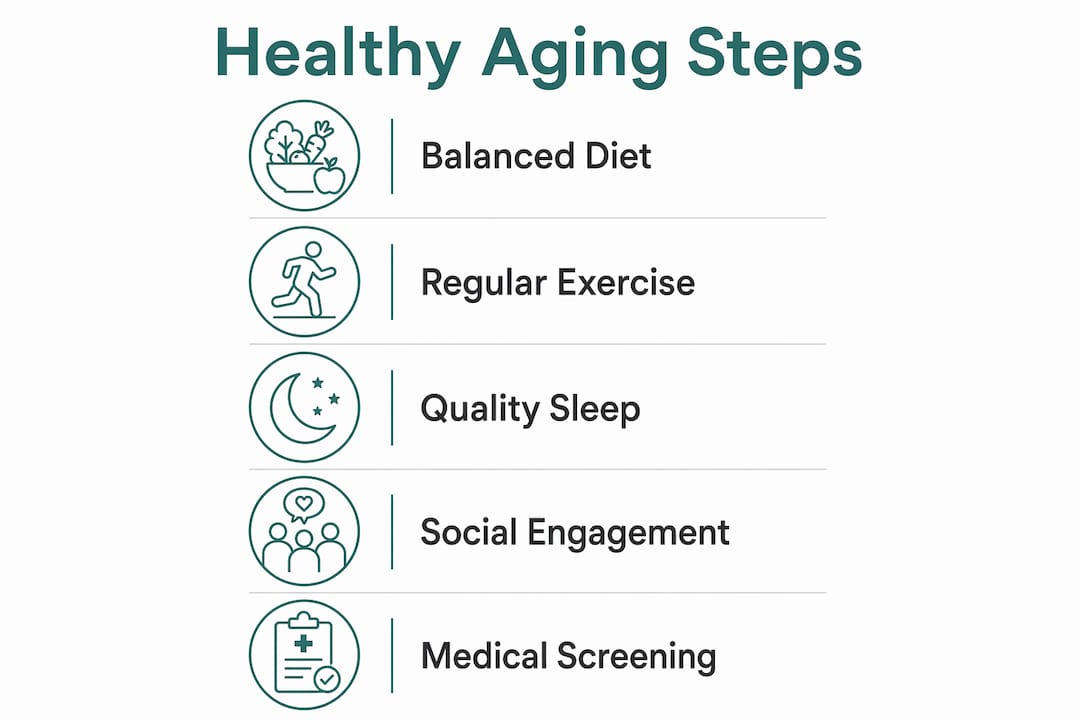
Much age-related disability can be prevented with lifestyle changes and early clinical intervention. That is a significant claim. It means the trajectory of aging is not fixed at birth. It is shaped continuously by what you do and do not do throughout adulthood.
| Strategy | Primary benefit | When to start |
|---|---|---|
| Resistance training | Preserves muscle mass and bone density | From age 30 onwards |
| Mediterranean-style diet | Reduces inflammation and cardiovascular risk | Any age |
| Avoiding tobacco | Slows cellular damage and lung decline | Immediately |
| Regular preventive health checks | Detects modifiable conditions early | From midlife |
| Adequate sleep (7–9 hours) | Supports cellular repair and immune function | Any age |
| Social engagement | Reduces cognitive decline and risk of depression | Any age |
Nutrition deserves particular attention. A diet rich in vegetables, legumes, whole grains, and oily fish provides antioxidants and anti-inflammatory compounds that directly counter some of the cellular damage described earlier. Caloric restriction without malnutrition has shown consistent effects on cell function preservation in research settings. You do not need to follow an extreme protocol. Reducing ultra-processed food and increasing plant diversity produces measurable benefits. For adults looking at evidence-based strategies for vitality, the fundamentals remain consistent across the literature.
Physical activity is the single most studied intervention for healthy aging. Resistance training preserves muscle and bone. Aerobic exercise supports cardiovascular and cognitive health. Flexibility and balance work reduces fall risk. The combination of all three, practised consistently, produces better outcomes than any single modality alone.
Key takeaways
Aging is a biological process shaped by cellular mechanisms, lifestyle choices, and social factors, all of which interact to determine how well you function across decades.
| Point | Details |
|---|---|
| Aging starts early | Metabolic and cellular decline begins around age 20, not at retirement. |
| Cellular senescence drives decline | Zombie cells and telomere shortening accumulate, causing inflammation and slower repair. |
| Variability is the norm | No two people age identically; genetics, environment, and habits all shape the outcome. |
| Many declines are preventable | Lifestyle changes and early clinical care can delay or avoid much age-related disability. |
| Healthspan is the real target | The goal is more years without illness, not simply more years alive. |
Aging is personal, not inevitable
I have spent years reading the research on aging, and the single most useful shift in thinking I have encountered is the move from chronological age to functional age. Chronological age tells you how many years you have been alive. Functional age tells you how well your body and mind actually work. Those two numbers can diverge significantly, and the gap between them is largely within your control.
The misconception I encounter most often is that decline is simply what happens. People accept fatigue, stiffness, and low mood as the price of getting older, when in many cases these are the results of accumulated habits, not pure biology. The Merck Manual’s distinction between pure aging and pathological aging is one of the most practically useful ideas in the field. Pure aging is universal and unavoidable. Pathological aging is not.
What I find genuinely encouraging is the shift in aging research toward compressing morbidity, meaning the goal is to keep the period of serious illness as short as possible, ideally at the very end of life. That is achievable for most people with consistent effort across midlife. The biology is not working against you. It is responding to what you give it.
— Jord
Vivetus and your healthy aging goals
Aging well requires more than good intentions. It requires consistent, evidence-based choices about nutrition, activity, and supplementation, made over years rather than weeks.

Vivetus specializes in nutritional support for healthy aging, offering scientifically backed dietary supplements designed to complement the lifestyle strategies covered in this article. Whether you are looking to support cellular health, maintain energy levels, or address specific age-related changes, Vivetus provides products built around the evidence. For adults ready to take a structured approach, the lifestyle tips for healthy aging guide on the Vivetus blog is a practical starting point. Free shipping is available on orders over €50.
FAQ
What is the biological definition of aging?
Aging is the progressive accumulation of cellular and molecular damage that reduces the body’s ability to maintain normal function. The process begins in early adulthood and continues throughout life.
Does aging start before you feel it?
Yes. Metabolic decline begins around age 20 and mitochondrial efficiency starts falling in the 20s and 30s, well before most people notice any outward signs of aging.
Can the aging process be slowed?
The rate of functional decline can be significantly reduced through regular exercise, a nutrient-rich diet, adequate sleep, and avoiding tobacco. Many age-related declines are preventable rather than inevitable.
What is the difference between lifespan and healthspan?
Lifespan is the total number of years lived. Healthspan is the number of those years spent free from significant illness or disability. Current research prioritizes extending healthspan over simply adding years to life.
How does cellular senescence affect aging?
Senescent cells stop dividing but remain in tissue, releasing inflammatory signals that damage surrounding cells and slow repair. Their accumulation is one of the primary drivers of age-related physiological decline.