

Metabolism and ageing: what adults need to know
Metabolic rate declines modestly with age, but the clinically significant change is not simply burning fewer calories. The real issue is a loss of metabolic quality: skeletal muscle mass falls, mitochondrial function deteriorates, and cellular NAD+ levels drop. These shifts, not caloric arithmetic alone, drive the elevated risk of type 2 diabetes, sarcopenia, and frailty that accumulate after midlife.
- Resting energy expenditure decreases gradually across adulthood, with a more pronounced fall after the age of 60, according to a PMC review of metabolic changes in ageing humans.
- Body composition is the primary driver: loss of muscle (sarcopenia) reduces the body’s metabolically active tissue, while central adiposity increases and promotes systemic inflammation.
- Cellular mechanisms including NAD+ decline, impaired AMPK/mTOR signalling, and chronic low-grade inflammation (inflammaging) accelerate functional metabolic decline beyond what body weight alone predicts.
The guidance in this article is general and educational. If you have existing health conditions, are taking medication, or want to act on any of the tests or interventions described, discuss them with your GP or a specialist first.
Key takeaways
Metabolic decline with age is driven primarily by loss of muscle mass, mitochondrial dysfunction, and falling NAD+ levels, not simply by a slower calorie burn, and targeted lifestyle changes can meaningfully slow that decline.
| Point | Details |
|---|---|
| Muscle mass is the priority | Resistance training at least twice weekly preserves metabolic quality and insulin sensitivity more than any other single intervention. |
| Protein targets matter | A higher protein intake distributed across meals supports muscle maintenance to counter anabolic resistance. |
| Monitor objective markers | Track waist circumference monthly and request fasting glucose, HbA1c, and a lipid panel annually after age 45. |
| NAD+ and cellular health | NAD+ decline is linked to sarcopenia and mitochondrial dysfunction; NMN and NR supplements raise NAD+ levels, though long-term functional outcome data are still emerging. |
| Vivetus for supplement support | Vivetus provides vegan, purity-tested NAD+ precursors and longevity supplements as adjuncts to a lifestyle-first approach to healthy ageing. |
Table of Contents
- How metabolic rate and total energy expenditure change across your lifespan
- How muscle, fat, liver and mitochondria reshape your metabolism with age
- NAD+, nutrient-sensing pathways and the ‘metabolaging’ framework
- Why age-related metabolic changes raise your disease risk
- Evidence-based actions to support metabolic health as you age
- Measuring metabolic health: useful tests and when to see a clinician
- What the research frontier shows on supplements and emerging therapies
- How gut microbiota changes with age affect your metabolism
- A realistic perspective on what you can and cannot change
- Supplements as part of a metabolism-support plan
- Sources
How metabolic rate and total energy expenditure change across your lifespan
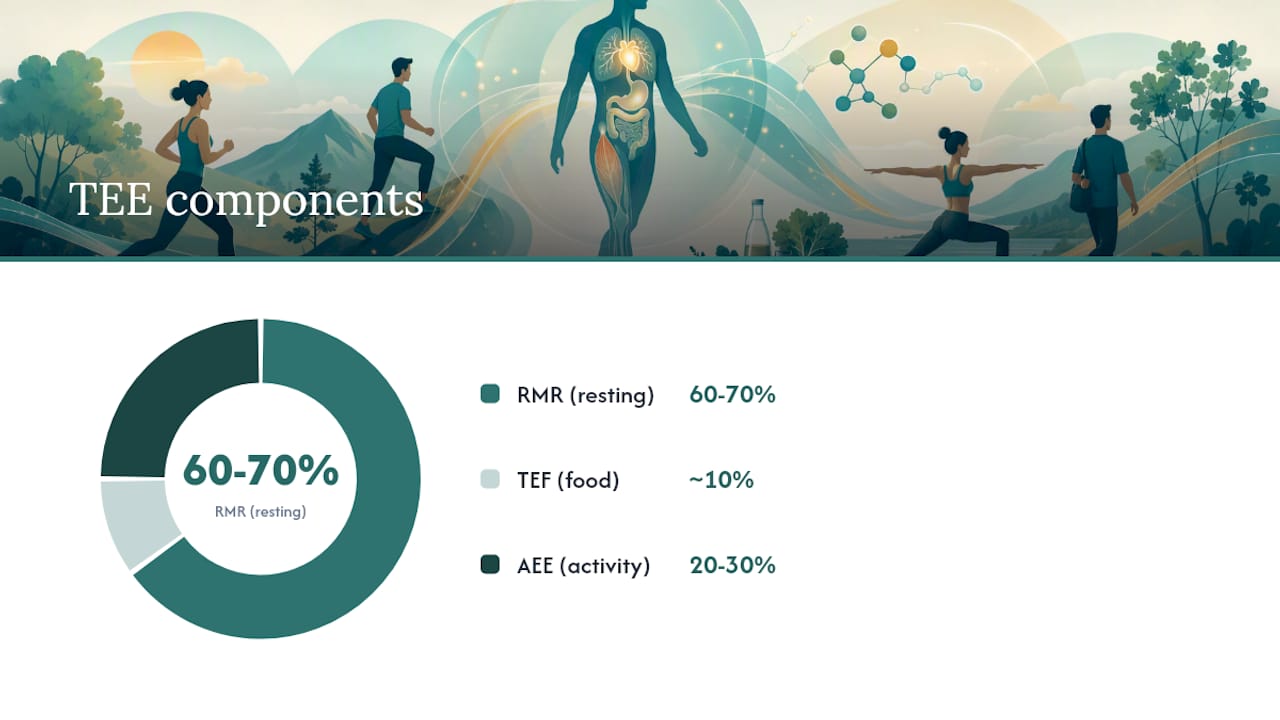
Total energy expenditure (TEE) has three components. Resting metabolic rate (RMR) accounts for the energy the body uses at rest and represents roughly 60–70% of TEE in most adults. The thermic effect of food (TEF) covers the energy cost of digesting and absorbing nutrients, typically around 10%. Activity energy expenditure (AEE), which includes both structured exercise and incidental movement, makes up the remainder and is the most variable component.
Harvard Health’s synthesis of the research highlights that metabolism peaks earlier than most people assume, remains relatively stable through much of adulthood, and then begins a more pronounced decline after the 60s. The pattern is not a smooth, linear slide from youth onward.
Several factors shape this trajectory:
- Lean muscle mass, the primary determinant of RMR, falls progressively from the fourth decade onward.
- Hormonal changes (declining growth hormone, sex steroids, and shifts in thyroid function) reduce anabolic drive and lower basal energy needs.
- Spontaneous physical activity, the low-intensity movement woven through daily life, tends to decrease independently of structured exercise.
The practical implication is that AEE is the most modifiable component. Preserving or increasing it through deliberate activity can partially offset the RMR decline driven by tissue loss.
How muscle, fat, liver and mitochondria reshape your metabolism with age
Skeletal muscle
Muscle is the body’s largest metabolically active tissue. Adults typically lose 0.5–1% of muscle mass per year from their 40s onward, with strength declining faster than mass. This process, sarcopenia, lowers RMR directly and reduces the body’s capacity to buffer glucose after meals. A key mechanism is anabolic resistance: ageing muscle responds less efficiently to dietary protein and exercise stimuli, so the same protein intake or training load produces less muscle protein synthesis than it would in a younger person. The metabolic consequence is not just a smaller engine but a less responsive one.
- Resistance training is the most effective intervention for reversing anabolic resistance and preserving muscle metabolic quality.
- Adequate protein distribution across meals (rather than concentrating intake at one sitting) improves muscle protein synthesis in older adults.
- Muscle loss also impairs glucose disposal, a direct pathway to insulin resistance.
Adipose tissue
Central and visceral fat accumulates with age even when total body weight stays stable. Dysfunctional adipose tissue secretes pro-inflammatory cytokines (adipokines), impairs insulin signalling, and loses its thermogenic capacity. The metabolaging review published in ScienceDirect frames adipose dysfunction as a central driver of systemic metabolic decline, noting that it often precedes visible ageing markers. Visceral fat, in particular, is metabolically distinct from subcutaneous fat and correlates strongly with insulin resistance and cardiovascular risk.

Liver
The liver coordinates glucose and lipid metabolism. With age, hepatic insulin sensitivity falls, fat accumulates within hepatocytes (a condition known as metabolic-associated fatty liver disease, MAFLD), and the liver’s capacity to regulate fasting glucose and lipid clearance diminishes. These changes compound the effects of muscle loss and adipose dysfunction, creating a systemic environment that favours elevated fasting glucose and dyslipidaemia.
Mitochondria
Mitochondrial oxidative capacity declines with age in multiple tissues, most measurably in skeletal muscle. Impaired mitophagy, the cellular process that clears damaged mitochondria, allows dysfunctional organelles to accumulate. A Frontiers review on mitochondrial quality in sarcopenia identifies this failure of mitochondrial quality control as a central driver of age-related muscle metabolic decline. The result is reduced endurance capacity, slower recovery from exertion, and greater susceptibility to oxidative stress.
NAD+, nutrient-sensing pathways and the ‘metabolaging’ framework
The term metabolaging describes the convergence of molecular ageing processes and metabolic dysfunction. It reframes what looks like a simple slowing of metabolism as a set of regulated cellular failures, each of which is, in principle, modifiable.
NAD+ decline is one of the most studied of these failures. NAD+ (nicotinamide adenine dinucleotide) functions as a substrate for sirtuins, a family of proteins that regulate DNA repair, mitochondrial biogenesis, and inflammatory signalling. It also fuels PARP enzymes involved in genome maintenance. According to the Annual Reviews analysis of NAD+ homeostasis, NAD+ levels fall measurably with age across multiple tissues, and this decline is causally linked to impaired mitochondrial bioenergetics. Research in human sarcopenic muscle samples confirms reduced NAD+ biosynthesis alongside lower mitochondrial oxidative capacity, across multiple ethnicities.
Nutrient-sensing pathways translate the body’s energy status into cellular behaviour:
- AMPK (AMP-activated protein kinase) acts as an energy sensor; it is activated by caloric restriction, exercise, and some compounds, and it promotes mitochondrial biogenesis and autophagy.
- mTOR (mechanistic target of rapamycin) drives anabolic processes; chronic overactivation with age and excess caloric intake suppresses autophagy and accelerates cellular senescence.
- Sirtuins (SIRT1–7) depend on NAD+ availability; they modulate inflammation, fat metabolism, and stress responses. Their activity declines as NAD+ falls.
Cellular senescence, the accumulation of cells that have stopped dividing but remain metabolically active and pro-inflammatory, feeds into inflammaging: the chronic, low-grade systemic inflammation that characterises older age and impairs insulin signalling, muscle repair, and adipose function.
Pro Tip: You do not need to wait for a supplement to engage these pathways. Resistance exercise activates AMPK and promotes mitochondrial biogenesis within hours of a session. Distributing protein across three to four meals rather than concentrating it at dinner supports sirtuin-dependent muscle repair. A modest eating window (for example, finishing the last meal two to three hours before sleep) can reduce mTOR overactivation without requiring strict caloric restriction.
A schematic of these interactions would show NAD+ at the centre, with arrows connecting it to sirtuin activity, mitochondrial biogenesis, and DNA repair; AMPK and mTOR as opposing regulators of cellular anabolism and catabolism; and inflammaging as both a consequence of and contributor to NAD+ depletion and mitochondrial dysfunction.
Why age-related metabolic changes raise your disease risk
The functional consequences of metabolic decline are not abstract. Insulin resistance, driven by muscle loss, visceral fat accumulation, and hepatic dysfunction, is the primary pathway to type 2 diabetes. Sarcopenia independently predicts falls, fractures, and loss of independence. Chronic inflammaging elevates cardiovascular risk and impairs the immune response to infection and injury.
Frailty, the clinical syndrome of reduced physiological reserve, is strongly associated with low muscle mass and mitochondrial dysfunction. Frail adults recover more slowly from illness, surgery, and physical stress, and face higher rates of hospitalisation. The PMC review on metabolic changes in ageing documents these links across tissue types, underscoring that metabolic decline is not a single-organ problem.
Functional outcomes that matter to most adults include:
- Strength and mobility: muscle quality determines the ability to climb stairs, carry loads, and maintain balance.
- Stamina: mitochondrial capacity governs aerobic endurance and the ability to sustain moderate activity without fatigue.
- Recovery: impaired mitochondrial function and elevated inflammation slow tissue repair after illness or injury.
- Cognitive resilience: emerging evidence links metabolic health to brain function, with insulin resistance and inflammaging implicated in cognitive decline, though this area remains an active research frontier.
Evidence-based actions to support metabolic health as you age
1. Resistance training
Resistance exercise is the most direct intervention for sarcopenia and metabolic quality. Aim for at least two sessions per week, targeting all major muscle groups. Each session should include 2–4 sets per exercise, with 8–12 repetitions at a weight that feels challenging by the final two reps. Progressive overload, gradually increasing resistance over weeks, is what drives adaptation. A clinical review on sarcopenia strategies confirms that resistance training improves muscle protein synthesis, mitochondrial function, and insulin sensitivity in older adults.
2. Aerobic activity
Aim for at least 150 minutes of moderate-intensity aerobic activity per week, or 75 minutes of vigorous activity, consistent with standard public health guidance. Brisk walking, cycling, and swimming all qualify. Aerobic exercise improves mitochondrial biogenesis, insulin sensitivity, and cardiovascular function. Even short bouts of 10–15 minutes accumulated across the day count toward the weekly total.
3. Protein intake
Target 1.2–1.6 g of protein per kilogram of body weight per day. For a 75 kg adult, that is 90–120 g daily. Distribute intake across meals rather than concentrating it at one sitting: 30–40 g per meal is a practical target that supports muscle protein synthesis in older adults. Plant-based sources (legumes, tofu, tempeh, edamame) can meet this target with planning. Avoid severe caloric restriction without clinical supervision, as it accelerates muscle loss even when protein is adequate.
4. Sleep
Poor sleep impairs glucose metabolism, elevates cortisol, and reduces growth hormone secretion. Aim for 7–9 hours per night. Consistent sleep and wake times support circadian regulation of metabolic hormones. The NHS guidance on metabolism and weight notes that energy balance and realistic lifestyle habits, including sleep, are foundational to metabolic health.
5. Alcohol and smoking
Alcohol disrupts sleep architecture, impairs liver function, and adds empty calories. Keeping intake within low-risk limits (no more than 14 units per week, spread across at least three days) reduces metabolic burden. Smoking accelerates mitochondrial dysfunction and systemic inflammation; cessation at any age produces measurable metabolic benefit.
6. Practical metrics to track
- Waist circumference: below 94 cm for men, below 80 cm for women (European thresholds for metabolic risk)
- Weekly minutes of moderate activity
- Daily protein intake in grams
- Body weight trends over months, not days
Safety note: If you have cardiovascular disease, type 2 diabetes, osteoporosis, or other chronic conditions, adapt these recommendations with your GP or a physiotherapist before starting a new exercise programme. Protein targets may also need adjustment if you have kidney disease.
Measuring metabolic health: useful tests and when to see a clinician
Objective markers give you a baseline and a way to track change. The most accessible tests are:
- Fasting glucose: a value below 5.6 mmol/L is normal; 5.6–6.9 mmol/L indicates impaired fasting glucose; 7.0 mmol/L or above on two occasions indicates diabetes.
- HbA1c: reflects average blood glucose over roughly three months; below 42 mmol/mol is normal for most adults.
- Lipid panel: total cholesterol, LDL, HDL, and triglycerides; elevated triglycerides and low HDL are particularly associated with metabolic syndrome.
- Liver enzymes (ALT, AST): elevated values can signal hepatic fat accumulation.
- C-reactive protein (CRP): a marker of systemic inflammation; high-sensitivity CRP above 3 mg/L is associated with elevated cardiovascular and metabolic risk.
- Thyroid function (TSH, free T4): subclinical hypothyroidism is common after 50 and can lower RMR; a basic screen is worthwhile if fatigue or weight gain is unexplained.
For body composition, waist circumference is the most practical home measure. Bioelectrical impedance analysis (BIA) scales provide an estimate of muscle and fat mass; they are useful for tracking trends rather than absolute values. Dual-energy X-ray absorptiometry (DXA) scanning, available at many private clinics and some hospital outpatient departments across Central Europe, gives the most accurate body composition data and is worth considering if sarcopenia is a concern.
Pro Tip: A simple monitoring routine: measure waist circumference on the first of each month, review activity minutes weekly, and request a fasting glucose, HbA1c, and lipid panel from your GP every 12 months after the age of 45. Bring a written summary of your activity levels and dietary habits to the appointment — it makes the conversation more productive.
What the research frontier shows on supplements and emerging therapies
The cellular mechanisms described above have generated significant interest in pharmacological and nutraceutical approaches. The evidence base is growing but remains largely at the level of intermediate biomarkers rather than long-term clinical outcomes.
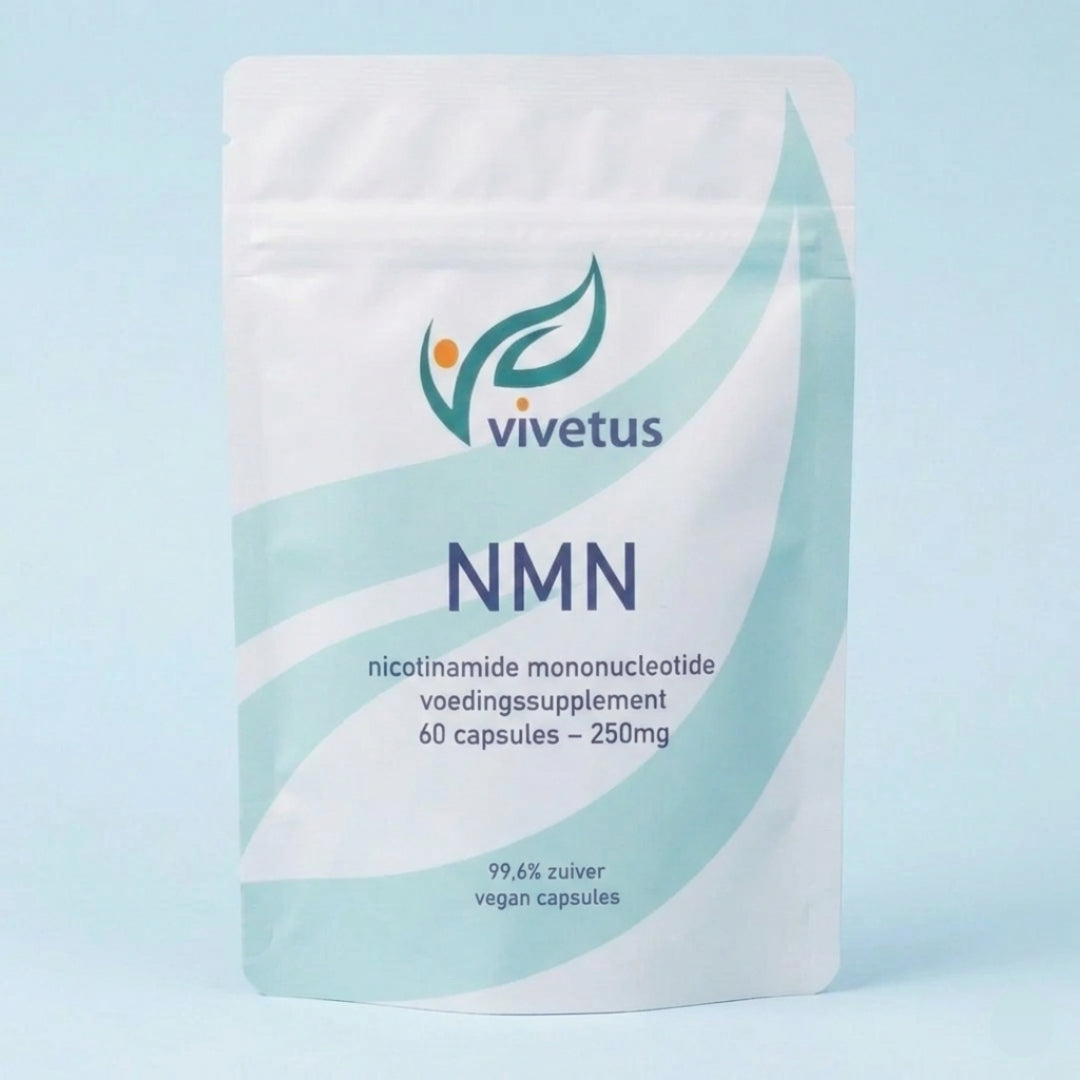
NAD+ precursors (NMN and NR): Nicotinamide mononucleotide (NMN) and nicotinamide riboside (NR) raise circulating NAD+ levels in human trials. The Annual Reviews paper on NAD+ homeostasis describes this as a promising but not yet definitive avenue; functional outcomes in humans, such as improvements in muscle strength or insulin sensitivity, require larger and longer trials to confirm.
Metformin: Widely used for type 2 diabetes, metformin activates AMPK and has shown lifespan-extending effects in animal models. Human trials examining it as a longevity intervention are ongoing, but prescribing it outside its established clinical indications is not supported by current evidence.
Senolytics (dasatinib, quercetin, fisetin): These compounds aim to clear senescent cells. Early human trials show reductions in senescent cell burden and some inflammatory markers, but long-term safety and clinical benefit data are limited. Quercetin and fisetin are available as supplements; their senolytic activity in humans at typical supplement doses is not yet established.
Rapamycin and rapalogs: mTOR inhibitors that extend lifespan in multiple animal models. Human use outside transplant medicine carries meaningful safety considerations and is not recommended without specialist supervision.
Caloric restriction (CR) mimetics and intermittent fasting (IF): The MDPI integrative review on CR and CR-mimetics confirms that CR and IF activate shared longevity pathways (AMPK, sirtuins, autophagy) in humans, but notes that long-term clinical outcome evidence remains limited and that a biomarker-guided, personalised approach is more likely to be effective than a one-size-fits-all protocol.
Resveratrol and pterostilbene: Sirtuin activators with preclinical evidence; human bioavailability and dose-response data are inconsistent.
The common thread across all these approaches is that intermediate biomarker improvements do not automatically translate into clinical benefit. Clinician supervision is advisable before starting any of these compounds, particularly in combination with existing medications.
How gut microbiota changes with age affect your metabolism
The gut microbiome shifts substantially across the lifespan. In older adults, microbial diversity typically falls, populations of beneficial short-chain fatty acid (SCFA)-producing bacteria (such as Faecalibacterium prausnitzii and Bifidobacterium species) decline, and pro-inflammatory species become more prevalent. These compositional changes have direct metabolic consequences.
SCFAs, particularly butyrate, propionate, and acetate, produced by bacterial fermentation of dietary fibre, regulate intestinal barrier integrity, modulate immune activation, and improve insulin sensitivity in peripheral tissues. When SCFA-producing bacteria decline, intestinal permeability can increase, allowing bacterial products such as lipopolysaccharide (LPS) to enter systemic circulation. This contributes directly to inflammaging and impairs insulin signalling in muscle and adipose tissue.
The microbiome also influences bile acid metabolism, which in turn regulates lipid absorption and glucose homeostasis through farnesoid X receptor (FXR) signalling. Age-related shifts in bile acid profiles have been linked to increased hepatic fat accumulation and altered lipid clearance.
Practical steps that support a favourable microbiome composition in older adults include:
- Consuming at least 25–30 g of dietary fibre per day from diverse plant sources (vegetables, legumes, wholegrains, fruit).
- Including fermented foods such as natural yoghurt, kefir, sauerkraut, or kimchi regularly.
- Limiting ultra-processed foods, which are associated with reduced microbial diversity.
- Maintaining physical activity, which independently supports microbial diversity.
The relationship between gut microbiota, metabolism, and ageing is an active research area. Probiotic and prebiotic interventions show promise in small trials, but specific strain recommendations for metabolic outcomes in older adults require further large-scale evidence before firm guidance can be given.
A realistic perspective on what you can and cannot change
The evidence on metabolism and ageing is genuinely encouraging, but it requires honest framing. Ageing is modifiable, not reversible. The cellular processes described in this article, NAD+ decline, mitochondrial deterioration, inflammaging, do not run in reverse simply because you start exercising or take a supplement. What changes is the rate of functional decline and the degree to which you preserve metabolic quality.
The most durable gains come from consistency over years, not from any single intervention. A person who builds resistance training into their routine at 45 and maintains adequate protein intake will, on the evidence, have meaningfully better muscle mass, insulin sensitivity, and mitochondrial capacity at 65 than one who does not. That is a substantial outcome, even if it does not appear on a scale.
Functional markers, strength, stamina, waist circumference, and blood glucose trends, are more informative than body weight alone. Celebrating a reduction in waist circumference, an improvement in a fasting glucose reading, or the ability to complete a set of exercises that were previously impossible is not a consolation prize. These are the outcomes that predict healthspan.
Supplements, including NAD+ precursors, can complement a lifestyle foundation, but they cannot substitute for it. The geroscience research summarised in the MDPI review is clear that targeting core pathways through lifestyle remains the most evidence-supported approach, with pharmacological and nutraceutical tools as adjuncts, not replacements.
Supplements as part of a metabolism-support plan
Lifestyle changes, exercise, protein, sleep, and a fibre-rich diet, are the foundation. Targeted supplements can play a supporting role once that foundation is in place, particularly for adults who want to address specific cellular mechanisms such as NAD+ decline.

Vivetus offers a range of vegan, clinically-backed supplements designed for healthy ageing, including NMN and NAD+ precursors, resveratrol, fisetin, quercetin, pterostilbene, apigenin, TMG, and berberine, all tested for purity and available with subscription options for consistent use. Products ship internationally, with free delivery on orders over €50. For readers who want to understand the broader science before purchasing, the Vivetus educational hub on ageing and metabolism is a practical starting point. Discuss any new supplement with your GP before starting, particularly if you take medication or have a chronic condition. Browse the full range at Vivetus.
Sources
The following sources underpin the evidence in this article and are worth reading directly for greater depth.
- Metabolic changes in aging humans: current evidence and therapeutic strategies
- Surprising findings about metabolism and age
This article is general information, not a substitute for advice from a qualified doctor. Consult a qualified healthcare professional about your own circumstances before acting on anything here.