

What is antioxidant support and how it boosts vitality
You’ve probably heard that antioxidants fight aging, but most advice oversimplifies what antioxidant support actually means for your body. Many adults over 35 assume popping a vitamin E capsule or drinking green tea occasionally provides sufficient protection against oxidative stress. The reality involves complex biological mechanisms, individual variability, and surprising evidence that some popular supplements may actually harm rather than help. This guide cuts through the confusion with scientific evidence and practical strategies tailored specifically for health-conscious adults seeking genuine vitality and longevity benefits.
Table of Contents
- Key takeaways
- Understanding antioxidant support: what it is and how it works
- Dietary antioxidants versus supplements: benefits and risks
- Nuances and expert insights on antioxidant support
- Practical antioxidant support strategies for adults over 35
- Explore Vivetus® antioxidant support solutions
- Frequently asked questions about antioxidant support
Key Takeaways
| Point | Details |
|---|---|
| Dietary antioxidants reduce mortality | Large population studies link five or more daily servings of produce rich in polyphenols, carotenoids and vitamins with a twenty to thirty per cent lower all cause mortality. |
| Food sources trump supplements | Eating a diet rich in fruits and vegetables offers stronger antioxidant protection than taking isolated supplements. |
| Supplements may be harmful | Some supplements do not improve outcomes and can increase risks if used indiscriminately. |
| Tailored antioxidant intake | Antioxidant needs differ with health status and environmental exposures, so personalised strategies are most effective. |
Understanding antioxidant support: what it is and how it works
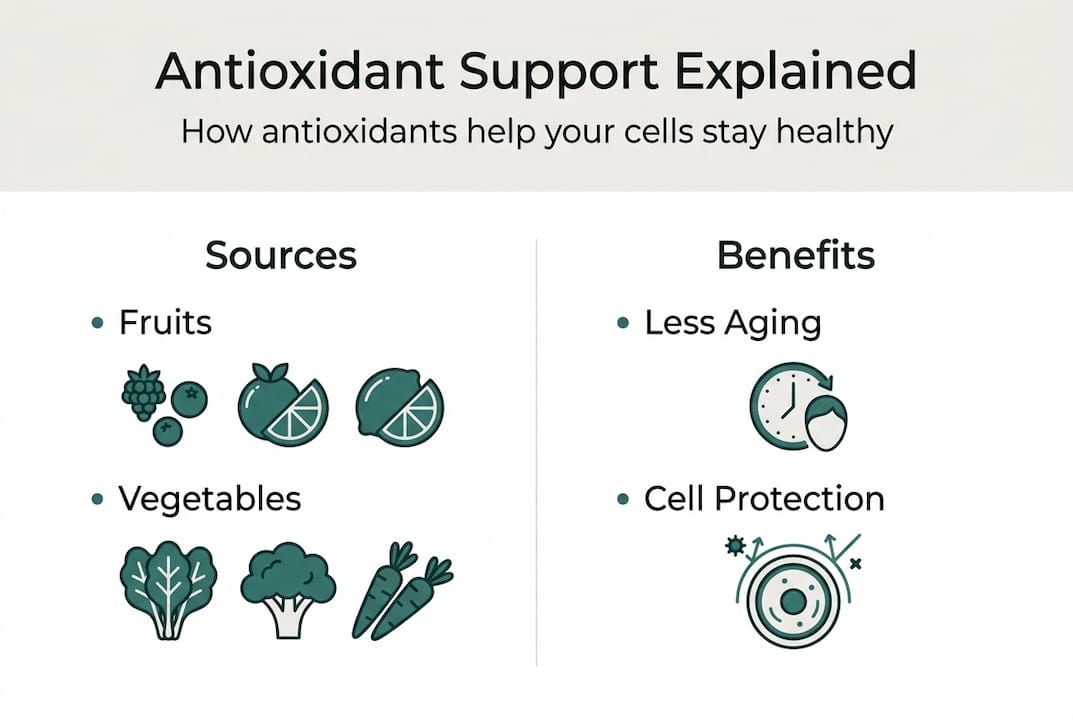
Antioxidant support refers to substances neutralising free radicals to prevent oxidative stress contributing to aging and chronic diseases. Your body constantly produces reactive oxygen species during normal metabolism, but when these molecules overwhelm natural defences, they damage cellular structures including DNA, proteins, and lipids. This oxidative stress accelerates biological aging, reduces energy production, and increases vulnerability to cardiovascular disease, neurodegeneration, and metabolic disorders.
Your antioxidant defence system operates through two complementary pathways. Endogenous antioxidants are enzymes your cells produce naturally, including superoxide dismutase, catalase, and glutathione peroxidase. These proteins work continuously to break down specific free radicals before they cause damage. Exogenous antioxidants come from your diet and include vitamins C and E, carotenoids, polyphenols, and glutathione precursors. Neither system works optimally alone.
Mechanisms include enzymatic and non-enzymatic antioxidants working synergistically to scavenge free radicals and recycle each other. Vitamin C regenerates oxidised vitamin E back to its active form, creating sustained protection across water-soluble and fat-soluble cellular compartments. Polyphenols from berries and tea activate genes that boost your endogenous enzyme production, amplifying your body’s natural defences. This synergy explains why whole foods provide superior protection compared to isolated compounds.
Pro Tip: Understanding the difference between endogenous antioxidants your body produces and exogenous antioxidants from diet helps you optimise support through both lifestyle factors that boost enzyme production and strategic food choices that provide diverse protective compounds.
The balance between oxidative stress and antioxidant capacity determines your cellular health trajectory. Adults over 35 naturally experience declining endogenous antioxidant production whilst facing increased oxidative stress from accumulated environmental exposures, metabolic changes, and inflammatory processes. This widening gap makes strategic antioxidant support through diet increasingly important for maintaining vitality. Our healthy aging supplements guide explores how targeted nutritional support can complement dietary strategies, but understanding food sources remains the foundation for effective antioxidant supplements overview.
Dietary antioxidants versus supplements: benefits and risks
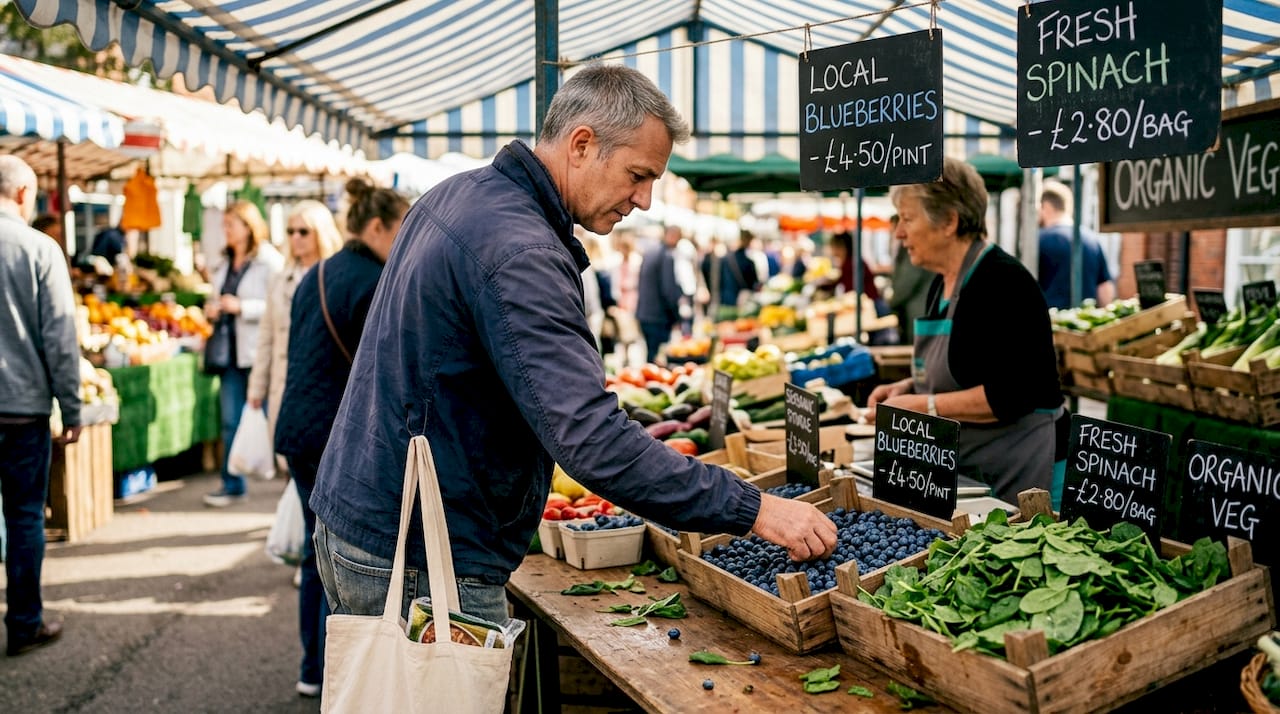
Dietary antioxidants from fruits and vegetables correlate with reduced mortality and chronic disease risk. Large population studies consistently show that adults consuming five or more daily servings of produce rich in polyphenols, carotenoids, and vitamins experience 20-30% lower all-cause mortality compared to those with minimal intake. These protective effects extend across cardiovascular disease, certain cancers, and age-related cognitive decline. The synergistic combinations of thousands of phytochemicals in whole foods provide benefits no single supplement can replicate.
Conversely, supplements often show ineffective or harmful outcomes with increased mortality risk in studies. A comprehensive Cochrane review analysing over 230,000 participants found that beta-carotene, vitamin A, and vitamin E supplements increased mortality rates rather than reducing them. Vitamin C and selenium showed no significant preventive effects against major diseases. These surprising findings challenge the widespread assumption that antioxidant pills provide health insurance against poor dietary habits.
| Aspect | Food sources | Supplements |
|---|---|---|
| Synergy | Thousands of compounds work together | Isolated nutrients lack natural partners |
| Safety | Virtually impossible to overdose | High doses create toxicity risks |
| Absorption | Fibre and fat enhance bioavailability | Often poorly absorbed without food matrix |
| Cost-effectiveness | Nutrient-dense with multiple benefits | Expensive for single compounds |
| Research support | Consistent mortality reduction | Mixed results, often harmful |
Several mechanisms explain why supplements underperform compared to whole foods. Isolated antioxidants at pharmacological doses can paradoxically act as pro-oxidants, generating rather than neutralising free radicals. High-dose vitamin C, for example, produces hydrogen peroxide in certain tissue environments. Supplements also interfere with beneficial adaptive stress responses your body uses to strengthen its endogenous defences. When you exercise or face mild oxidative challenges, your cells upregulate protective enzymes. Flooding your system with exogenous antioxidants may blunt this hormetic response.
Potential supplement risks include:
- High doses causing pro-oxidant effects that damage rather than protect cells
- Interference with cancer treatments by protecting tumour cells from therapy
- Interactions with medications including blood thinners and chemotherapy agents
- Masking nutrient deficiencies by providing isolated compounds without cofactors
- False security leading to neglect of dietary improvements
Pro Tip: Prioritise variety across the colour spectrum in fruits and vegetables for natural antioxidant synergy. Avoid high-dose supplements without baseline testing showing specific deficiencies. If you do supplement, choose modest doses that complement rather than replace food sources.
Our research on NMN supplement study demonstrates how targeted compounds may support cellular energy when used appropriately, but even promising molecules work best alongside comprehensive dietary antioxidants and mortality strategies focused on whole foods.
Nuances and expert insights on antioxidant support
Antioxidant effects depend heavily on context, dosage, and individual baseline status. High doses of some antioxidants can have pro-oxidant effects and may promote cancer metastasis in certain contexts. Vitamin C at physiological concentrations scavenges free radicals effectively, but at pharmacological doses exceeding 1000mg it generates hydrogen peroxide that can damage DNA and proteins. This dose-dependent reversal from protective to harmful occurs with multiple antioxidants including vitamin E, beta-carotene, and selenium.
Cancer presents particularly complex considerations for antioxidant use. Whilst oxidative stress contributes to cancer initiation by damaging DNA, established tumours may exploit antioxidant pathways to survive and spread. Studies in mice show that supplemental antioxidants can accelerate melanoma and lung cancer progression by protecting cancer cells from oxidative stress that would otherwise limit their growth. Conversely, some antioxidants demonstrate senolytic properties that selectively eliminate aged, dysfunctional cells. This paradox means blanket recommendations about antioxidants oversimplify their biological effects.
“Supplements can be harmful if baseline sufficient, beneficial if deficient. The therapeutic window is narrow, and individual testing is essential for safe, effective antioxidant support in adults over 35.”
Beneficial effects depend on deficiency status; supplements harmful if sufficient; food-based antioxidants exhibit synergy. Someone with low baseline selenium may benefit from modest supplementation, whilst someone with adequate levels risks toxicity and increased diabetes risk from the same dose. Unfortunately, most people supplement without knowing their baseline status, essentially gambling with their health. Clinical tests measuring oxidative stress markers and antioxidant capacity can guide personalised strategies.
Specialist recommendations for safe antioxidant support:
- Avoid antioxidant supplements during active cancer treatment without oncologist supervision
- Request baseline testing of key antioxidants before starting supplementation protocols
- Focus on food sources for general health maintenance and disease prevention
- Consider modest supplementation only for diagnosed deficiencies with monitoring
- Prioritise lifestyle factors that boost endogenous antioxidant production
Individual variability extends beyond baseline status to genetic factors affecting antioxidant metabolism. Polymorphisms in genes encoding antioxidant enzymes influence how efficiently your body produces and recycles protective compounds. Someone with reduced glutathione peroxidase activity may benefit from selenium support, whilst another person with normal enzyme function sees no benefit. Pharmacogenomic testing can identify these variations, though such personalised approaches remain uncommon in clinical practice.
Pro Tip: If you’re considering antioxidant supplements, request blood tests measuring vitamins C and E, selenium, and oxidative stress markers like malondialdehyde or 8-hydroxy-2-deoxyguanosine. These baseline values help determine whether supplementation makes sense for your specific situation.
Our analysis of quercetin and fisetin antioxidants explores how specific polyphenols demonstrate senolytic properties alongside antioxidant effects, illustrating the complexity of these compounds. Understanding the antioxidants impact on cancer context helps you make informed decisions about timing and appropriateness of different approaches.
Practical antioxidant support strategies for adults over 35
Implementing evidence-based antioxidant support starts with dietary foundation rather than supplements. Consuming five servings of fruits and vegetables daily supports vitality and reduces chronic disease risks. Each serving provides hundreds of protective compounds working synergistically, far exceeding what any supplement bottle can deliver. Prioritise deeply pigmented produce, as colour intensity generally correlates with antioxidant concentration.
Daily habits to optimise antioxidant intake:
- Start your morning with berries in yoghurt or oatmeal for anthocyanins and vitamin C
- Include dark leafy greens like spinach or kale at lunch for lutein and vitamin E
- Snack on nuts, particularly walnuts and almonds, for vitamin E and polyphenols
- Drink green or black tea throughout the day for catechins and theaflavins
- Add herbs and spices liberally, especially turmeric, oregano, and cinnamon
- Choose colourful vegetables at dinner, rotating through orange, red, and purple options
- Limit processed foods and added sugars that increase oxidative stress
| Food source | Primary antioxidants | Key benefits |
|---|---|---|
| Blueberries | Anthocyanins, vitamin C | Cognitive function, cardiovascular health |
| Spinach | Lutein, vitamin E, beta-carotene | Eye health, reduced inflammation |
| Walnuts | Vitamin E, polyphenols, omega-3 | Brain health, cholesterol management |
| Green tea | EGCG, catechins | Metabolic health, cancer prevention |
| Dark chocolate | Flavonoids, polyphenols | Cardiovascular health, mood support |
| Tomatoes | Lycopene, vitamin C | Prostate health, skin protection |
The Mediterranean dietary pattern enhances grip strength and reduces functional decline in older adults. This eating pattern naturally provides abundant antioxidants through olive oil, fish, vegetables, fruits, legumes, and moderate wine consumption. Adults following Mediterranean principles show better preservation of muscle mass, cognitive function, and cardiovascular health compared to those eating typical Western diets. The pattern’s effectiveness stems from synergistic interactions between antioxidants, healthy fats, and anti-inflammatory compounds.
Pro Tip: Monitor antioxidant intake through clinical indices like CDAI when possible for personalised adjustments. Your healthcare provider can order oxidative stress panels that measure both your antioxidant capacity and oxidative damage markers, providing objective data to guide dietary modifications or targeted supplementation if truly needed.
Lifestyle factors beyond diet significantly influence your antioxidant status. Regular moderate exercise temporarily increases oxidative stress but triggers adaptive responses that boost endogenous antioxidant enzyme production. Sleep deprivation, chronic stress, smoking, and excessive alcohol all deplete antioxidant reserves whilst increasing free radical production. Managing these factors amplifies the benefits of dietary antioxidants.
Before starting any supplement regimen, consult healthcare providers to assess whether you have diagnosed deficiencies warranting intervention. Most adults over 35 with reasonably healthy diets maintain adequate antioxidant status through food alone. Supplementation makes sense primarily for specific deficiencies, increased needs during illness or high oxidative stress periods, or when dietary intake proves insufficient despite best efforts. Our guide to eating a colourful diet for healthy aging provides practical meal planning strategies, whilst our healthy aging supplements guide helps you evaluate when targeted nutritional support might complement dietary approaches.
Explore Vivetus® antioxidant support solutions
Whilst dietary sources provide the foundation for antioxidant support, some adults over 35 benefit from targeted nutritional compounds that complement healthy eating patterns. Vivetus® offers scientifically-backed supplements designed to support cellular energy production and methylation pathways that influence antioxidant metabolism. Our Vivetus® TMG support provides betaine for healthy methylation, a process essential for glutathione synthesis and antioxidant enzyme function.
The Energy & vitality bundle combines complementary compounds supporting mitochondrial function and cellular resilience. These formulations address the underlying metabolic processes that determine how effectively your body produces and recycles its own antioxidant defences. Unlike high-dose isolated antioxidants with questionable safety profiles, these targeted nutrients support your endogenous protective systems.
Key benefits of Vivetus® approach:
- Evidence-based formulations designed for adults 35 and older
- Modest, physiological doses that complement rather than replace dietary antioxidants
- Focus on supporting endogenous antioxidant production pathways
- Quality-tested ingredients with transparent sourcing
Our healthy aging supplements guide helps you evaluate whether targeted nutritional support makes sense for your individual situation. We recommend starting with comprehensive dietary improvements before considering supplements, and always consulting healthcare providers about potential interactions with medications or existing conditions.
Frequently asked questions about antioxidant support
What is antioxidant support?
Antioxidant support involves providing your body with compounds that neutralise free radicals, preventing oxidative damage to cells, proteins, and DNA. This includes both endogenous antioxidants your cells produce naturally and exogenous antioxidants from diet. Effective support requires balanced intake from diverse food sources rather than relying on isolated supplements.
Are antioxidant supplements necessary for everyone?
No, most adults with reasonably healthy diets obtain sufficient antioxidants from food without supplementation. Large studies show supplements often provide no benefit and may increase mortality risk in people with adequate baseline status. Supplements make sense primarily for diagnosed deficiencies or specific medical conditions requiring additional support under professional guidance.
How does diet contribute to antioxidant support?
Whole foods provide thousands of antioxidant compounds working synergistically, along with fibre, healthy fats, and cofactors that enhance absorption and effectiveness. Consuming five daily servings of colourful fruits and vegetables supplies diverse antioxidants including vitamins C and E, carotenoids, and polyphenols. This dietary approach consistently shows mortality reduction and disease prevention benefits that supplements cannot replicate.
What is the difference between enzymatic and non-enzymatic antioxidants?
Enzymatic antioxidants are proteins your cells produce, including superoxide dismutase, catalase, and glutathione peroxidase, which continuously break down specific free radicals. Non-enzymatic antioxidants come from diet and include vitamins, polyphenols, and carotenoids that directly scavenge free radicals. Both systems work together, with dietary antioxidants often supporting or regenerating enzymatic defences for comprehensive protection.
Should I consult a healthcare professional before taking antioxidant supplements?
Yes, professional guidance is essential before starting antioxidant supplementation. High doses can cause pro-oxidant effects, interfere with cancer treatments, or interact with medications. Healthcare providers can order baseline testing to determine whether you have actual deficiencies warranting supplementation, helping you avoid unnecessary risks whilst addressing genuine nutritional needs.
Can antioxidants from food ever be harmful?
Antioxidants from whole food sources are virtually impossible to consume in harmful amounts through normal eating patterns. The fibre, water content, and natural compound balance in fruits and vegetables provide self-limiting mechanisms. Focus your caution on supplements and fortified foods that deliver pharmacological doses of isolated compounds, which carry genuine toxicity risks when consumed excessively.