

Quercetin Side Effects in the Netherlands: What 250–1,000 mg/day Shows
At commonly studied doses, quercetin is generally well tolerated, with mild gastrointestinal upset and headache the most reported issues. The main risks worth taking seriously are drug interactions through liver enzymes and transport proteins, added blood pressure or blood glucose lowering, and extra caution for anyone with kidney or liver disease. If you take prescription medicines or have organ impairment, speak to your prescriber before starting.
TL;DR:
- Most safety data on quercetin involves doses between 250 and 1000 mg daily used for weeks or months, with long-term effects still unknown.
- Common mild side effects include gastrointestinal discomfort, such as nausea and diarrhea, especially at higher doses, and occasional headaches or tingling sensations.
- Quercetin can interfere with liver enzymes and transport proteins, potentially increasing blood levels of certain medications like immunosuppressants and reducing effectiveness of antibiotics.
- People with kidney or liver disease, pregnant women, or those on blood pressure or blood sugar medications should consult a healthcare provider before taking quercetin.
- Starting at 250 to 500 mg daily and monitoring for side effects is recommended; avoiding unsupervised high doses above 1000 mg is safest without medical supervision.
Table of Contents
- Quercetine bijwerkingen in clinical trials: doses and adverse events
- What are the common side effects of quercetin?
- Quercetin interactions with medications: mechanisms and specific risks
- Who should avoid quercetin or needs extra monitoring?
- How much quercetin is safe, and for how long?
- Does the form of quercetin change the safety picture?
- Who’s behind this guidance, and where to go next
- Your next steps before starting quercetin
- Why the interaction conversation gets skipped too often
- Choosing a quercetin supplement you can trust
- Sources
Quercetine bijwerkingen in clinical trials: doses and adverse events
Most trial data on quercetine bijwerkingen comes from studies using 250 to 1000 mg per day, taken over several weeks to a few months. That range covers the bulk of published human research, and it’s the range most safety conclusions are actually based on.
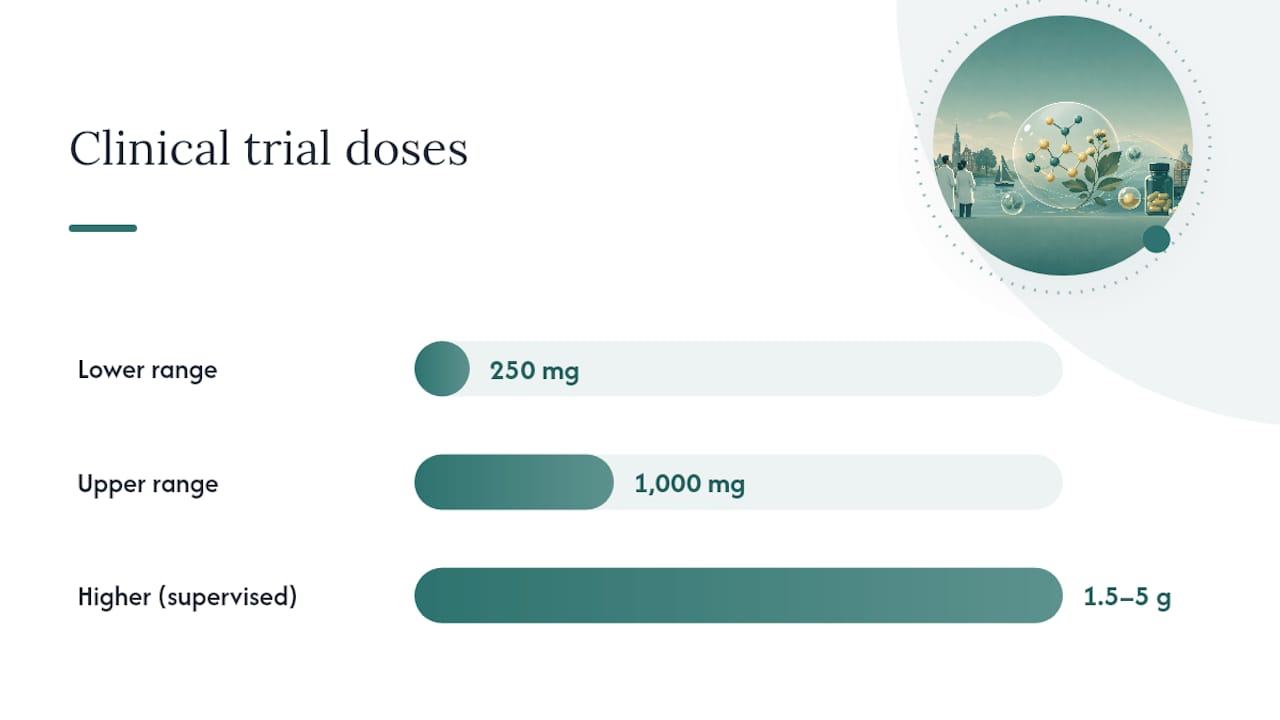
Some trials pushed further. Some trials used higher short-term doses under supervised monitoring without major adverse events, but this is not a general recommendation for unsupervised use.
Serious adverse events remain rare across the published trials. Clinical studies report quercetin at doses up to 1000 mg per day as generally safe and well tolerated, with most complaints limited to mild stomach upset or headache rather than anything requiring medical intervention.
A few points worth holding onto:
- Trial doses of 250 to 1000 mg/day form the evidence base for most safety claims.
- Higher short-term doses (1500 to 5000 mg/day) have been tested but under monitored conditions, not as a general recommendation.
- The amount of quercetin in food — think capers, onions, apples — is nowhere near supplement-level concentrations, so dietary intake and capsule dosing aren’t comparable when weighing risk.
The trial evidence gap: almost all safety data covers weeks to a few months of use. Nobody has published long-term data on years of daily high-dose quercetin, which is a real limitation for anyone planning ongoing supplementation rather than a short course.
What are the common side effects of quercetin?
The side effects reported most often are mild and dose-related, which is reassuring, but they’re worth recognising so you know what’s normal and what isn’t.
Digestive symptoms top the list: nausea, stomach cramping, and diarrhoea. These tend to show up when doses climb toward the upper end of the studied range, and they usually ease off if you lower the dose or take it with food.
Neurological symptoms come next. Headache is the second most commonly reported complaint, and some people describe tingling or a pins-and-needles sensation, known clinically as paraesthesia.
Skin reactions are rarer but do appear in the literature, ranging from mild rash to genuine hypersensitivity responses.
- Nausea, abdominal discomfort, or diarrhoea, usually mild and linked to higher doses
- Headache or a dull pressure sensation
- Tingling or numbness in the hands or face
- Rash, hives, or unusual itching
Most human studies on quercetin report side effects that stay mild, with gastrointestinal discomfort and headache accounting for the majority of complaints, and serious adverse events remaining uncommon in trial settings.
Stop taking quercetin and get urgent medical attention if you notice swelling of the face or throat, difficulty breathing, signs of gastrointestinal bleeding such as black or bloody stools, or yellowing of the skin or eyes, which can point to liver involvement.
Pro Tip: Start with a lower dose for the first week and take it alongside food. This makes it much easier to tell whether a symptom is genuinely from the quercetin or from something else entirely.
Quercetin interactions with medications: mechanisms and specific risks
Quercetin’s biggest safety issue isn’t the compound itself, it’s what it does to enzymes and transporters that also handle your prescription medicines. Understanding the mechanism explains why some combinations matter more than others.
Quercetin inhibits CYP3A4 and other cytochrome P450 enzymes in the liver, along with P-glycoprotein (P-gp), a transporter protein that pumps drugs out of cells. Quercetin’s inhibition of these enzymes and transporters can raise or lower the blood levels of medicines that rely on the same pathways for clearance.
The practical consequences follow a pattern:
- Immunosuppressants and some statins may reach higher blood levels than intended, since quercetin slows their breakdown.
- Fluoroquinolone antibiotics can lose some effectiveness through altered transport, a concern for anyone relying on these drugs to clear an infection.
- Blood pressure and blood glucose lowering medicines can have an additive effect, since quercetin at 500 to 1000 mg daily produces modest blood pressure reductions on its own, stacking that effect on top of existing antihypertensives or antidiabetic drugs risks symptomatic drops.
One interaction deserves particular attention. Dutch research linked to Maastricht UMC+ examined quercetin’s effect on tamsulosin, a drug commonly prescribed for prostate symptoms.
Experimental work found that quercetin substantially potentiated tamsulosin’s vasodilatory effect in organ models, reported as up to a thirteen-fold increase, a combination that raises the practical risk of dizziness and falls, particularly in older adults already prone to postural blood pressure drops.
If you take tamsulosin, anticoagulants, immunosuppressants, or chemotherapy medicines, talk to your prescriber before adding quercetin. Depending on your regimen, that conversation might lead to closer monitoring of INR, blood glucose, or blood pressure rather than an outright refusal, but it needs to happen first.
Who should avoid quercetin or needs extra monitoring?
Certain groups carry a higher risk profile and should treat quercetin with more caution than the general population.
- Pregnant or breastfeeding women should avoid quercetin supplements or seek specialist advice first, since safety data for this group is too thin to rely on.
- People with kidney disease face a specific concern: animal studies raise questions about renal risk in already-damaged kidneys, even though human data remains limited. A conversation with a nephrologist, and possibly baseline renal function tests, is a sensible precaution.
- People with liver disease should discuss quercetin with a hepatologist, ideally with baseline liver function tests before starting.
- Anyone on antihypertensives, antidiabetic drugs, anticoagulants, transplant medicines, or chemotherapy should consult their prescriber first, given the enzyme and transporter interactions described above.
- Ahead of surgery, mention any supplement use to your surgical team, since standard pre-operative guidance typically asks patients to pause non-essential supplements.
Pro Tip: Bring the exact product label to your GP appointment, not just the compound name. Dose per capsule and any added ingredients change how relevant the interaction risk actually is for you.
How much quercetin is safe, and for how long?
The trial evidence points to a sensible starting range rather than a single fixed number. Most studies used 250 to 1000 mg per day, and that range remains the most defensible place to start.
A few practical rules follow from the data:
- Begin at the lower end of the range, around 250 to 500 mg per day, and observe how you tolerate it before considering an increase.
- Avoid unsupervised, ongoing use above 1000 mg per day. The higher short-term protocols seen in trials (1500 to 5000 mg) involved monitoring that most people don’t replicate at home.
- If you have any risk factor from the section above, schedule follow-up checks, blood pressure, glucose, liver function, or renal function, depending on what applies to you.
The monitoring gap: trial protocols using higher doses typically built in baseline and follow-up liver and kidney testing. Outside a clinical trial, that safeguard only happens if you or your GP put it in place deliberately. Vivetus’s own quercetin dosage guide walks through practical starting amounts and what to watch for if you’re new to supplementing.
Does the form of quercetin change the safety picture?
Not all quercetin capsules deliver the same amount into your bloodstream, and that gap matters more than most labels let on.
- Standard quercetin absorbs poorly on its own; a meaningful fraction of an oral dose never reaches circulation in an active form.
- Enhanced-delivery formulations, such as fytosome complexes, improve bioavailability substantially over free quercetin, which means a lower labelled dose can achieve a comparable effect, and a comparable interaction risk.
- Co-ingredients like vitamin C, bromelain, or zinc are often paired with quercetin to support absorption. Read more about quercetin and vitamin C or quercetin and zinc combinations before assuming milligrams alone tell the whole story.
Judge a product by its bioavailable amount, not just the number printed on the front of the packet.
Who’s behind this guidance, and where to go next
This explainer draws on published trial data and Dutch-language safety research rather than product marketing, because decisions about drug interactions deserve better than a sales pitch.
- Written by Jord, Vivetus’s resident supplement researcher, whose focus is translating clinical trial data on longevity compounds into practical, readable guidance for people making their own supplement decisions.
- Vivetus publishes a growing library of dosage and safety guides, including a detailed look at quercetin’s evidence base for readers who want the research behind the recommendations.
- For those comparing quercetin against other longevity-focused compounds, the quercetin versus resveratrol comparison covers how the two work differently in the body.
Your next steps before starting quercetin
Before you open a bottle, run through a short checklist. Check every prescription medicine you take against the interaction list above, particularly tamsulosin, anticoagulants, and blood pressure drugs. Start at the lower end of the dose range, around 250 to 500 mg daily, and give your body a week or two before judging tolerance. Watch for the warning signs covered earlier, and stop immediately if anything serious develops.
If you decide to buy, check the formulation and any added ingredients rather than assuming all capsules are equivalent. And remember: the quercetin in your diet, from apples, onions, capers, is not remotely comparable to a concentrated capsule. Food-level intake doesn’t carry the same monitoring conversation that supplement-level dosing does.
Why the interaction conversation gets skipped too often
Most consumer content on quercetin reads like a highlight reel: antioxidant, anti-inflammatory, good for allergies. What gets buried, usually below a wall of benefit claims, is that this is a compound with genuine pharmacological activity in the liver and on blood vessel tone. That’s exactly why the tamsulosin finding from Maastricht UMC+ matters so much: it’s not a theoretical caveat, it’s a measured effect with a plausible real-world consequence, an older adult on a prostate medicine getting dizzy and falling.
The conventional advice, “consult your doctor if you have concerns,” treats every reader as equally at risk, which isn’t honest. Someone with no medication and no organ disease has a very different risk profile from someone on anticoagulants with reduced kidney function. Readers deserve guidance that reflects that difference rather than a blanket disclaimer.
What should you prioritise first? Not the dose. The medication list. Work out what you’re already taking, cross-reference it against the enzyme and transporter interactions, and only then think about starting amount. Get that order backwards and you’re guessing at exactly the point where guessing carries real cost.
— Jord
Choosing a quercetin supplement you can trust
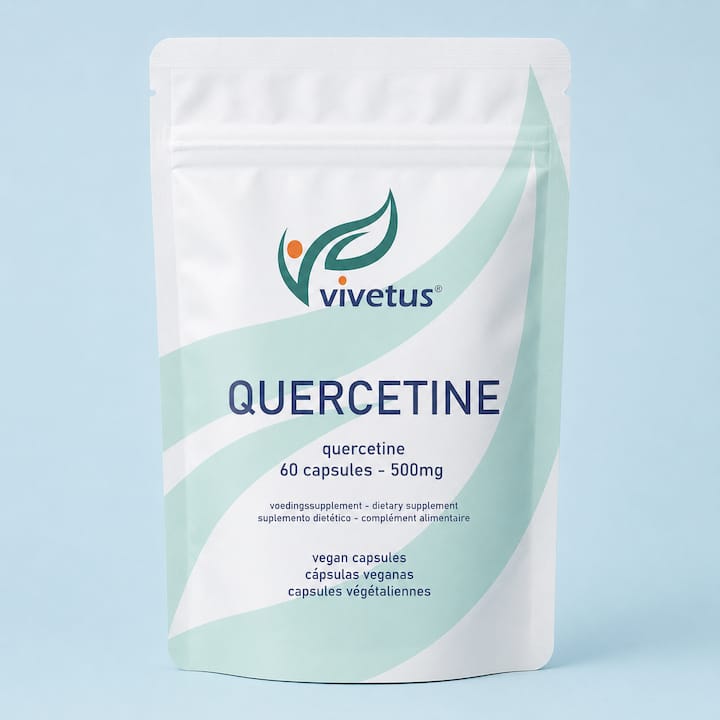
There are products available where the formulation and dose are stated plainly rather than buried in marketing copy. The Vivetus® Quercetine, 60 capsules at 500mg sits within the trial-studied dose range covered above, giving you a straightforward starting point rather than an oversized dose that pushes you into unsupervised high-dose territory.
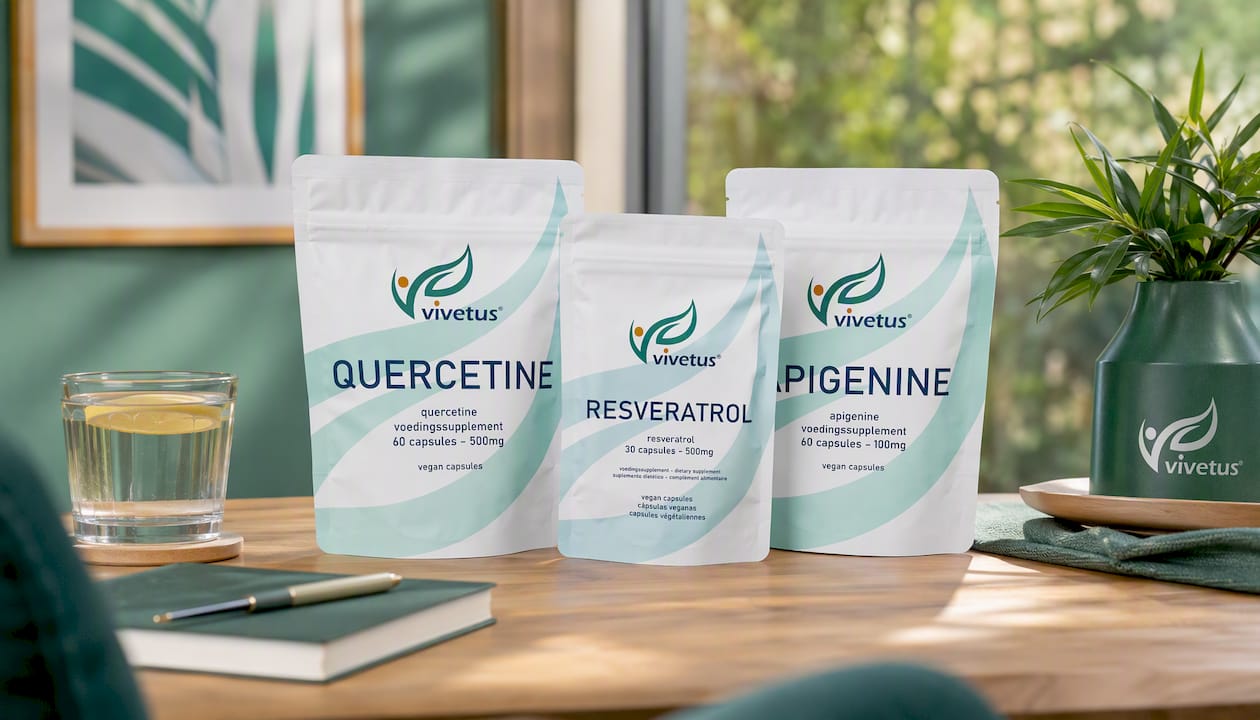
For readers dealing with joint discomfort or general inflammation alongside interest in quercetin, the 🌿 Anti-inflammation bundel pairs complementary compounds rather than asking you to piece together separate purchases and guess at combined dosing yourself. Both are vegan formulations, tested for purity, with international shipping and the option to subscribe if you decide quercetin suits your routine long-term. Check your current medication list against the interactions covered above, then visit the product page to see the full ingredient breakdown before you order.
This article is general information, not a substitute for advice from a qualified doctor. Consult a qualified healthcare professional about your own circumstances before acting on anything here.
Sources
- Quercetine | Stichting Orthokennis
- Quercetine interaction with tamsulosin — Natuurdietisten
- Quercetine | SOHF
- Quercetine: werking, voedingsbronnen, supplementen - Mens & Gezondheid