

TMG and NMN together: why methylation support matters
For many people taking NMN, particularly at higher doses, adding TMG is a sensible precaution. NMN supplementation drives extra methylation work in the liver, and TMG replenishes the methyl donors that work consumes. Anyone taking 500mg or more of NMN daily, or with an elevated homocysteine reading, should look into pairing the two and get baseline bloodwork done before making changes.
TL;DR:
- Anyone taking 500mg or more of NMN daily should consider supplementing with TMG to support methylation, especially if homocysteine levels are high.
- NMN increases nicotinamide production, which ramps up NNMT activity and depletes SAM, making TMG’s role in supporting methylation critical at higher doses.
- TMG effectively lowers homocysteine independently of B12 and folate, with doses between 500mg and 2,000mg showing measurable reductions.
- Long-term use of NMN and TMG requires regular homocysteine testing to adjust doses, given individual variability and limited long-term safety data.
- Baseline homocysteine levels are the most crucial marker for tailoring TMG dosage more than fixed ratios or general dosing guidelines.
Table of Contents
- What TMG and NMN actually do in the body
- How NMN increases methylation demand: the NNMT pathway
- TMG’s role in methylation and what the homocysteine data shows
- Who benefits most from stacking TMG with NMN
- Practical dosing and timing for TMG and NMN
- Safety, side effects and what to watch for
- Testing and monitoring your homocysteine levels
- Vivetus’s approach to methylation-aware NMN stacking
- Long-term considerations for chronic TMG and NMN use
- Why the standard advice on this pairing undersells the testing part
- Vivetus’s Longevity Core and Longevity Plus bundles
- Sources
What TMG and NMN actually do in the body
NMN, or nicotinamide mononucleotide, is a precursor your cells convert into NAD+, a coenzyme every cell needs for energy production and DNA repair. NAD+ levels decline with age, which is the entire rationale behind NMN supplementation as a longevity tool.
TMG, short for trimethylglycine and also known as betaine, works differently. It is a methyl donor: a molecule that hands off one of its three methyl groups to other compounds during a process called methylation. The body uses methylation for hundreds of jobs, from gene expression to detoxification to recycling a compound called homocysteine back into useful methionine.
Both compounds occur naturally in food.
- NMN precursors appear in small amounts in broccoli, avocado, and edamame.
- TMG is abundant in beetroot, spinach, and wheat bran.
Dietary amounts fall well short of what a supplement protocol delivers. A beetroot-heavy diet might provide a few hundred milligrams of betaine a day; a 1g TMG capsule dose gets you there in one go, which is the gap supplements exist to close.
How NMN increases methylation demand: the NNMT pathway
Here is the mechanism that makes TMG relevant to NMN users at all, and it is worth understanding rather than taking on faith. When NMN converts to NAD+, one of the byproducts is nicotinamide. The body has to clear that nicotinamide, and the main route is an enzyme called NNMT (nicotinamide N-methyltransferase), which methylates nicotinamide into a compound called 1-methylnicotinamide for excretion.
That methylation step doesn’t happen for free. NNMT pulls its methyl group from SAM (S-adenosylmethionine), the body’s universal methyl donor. The more NMN you take, the more nicotinamide gets produced, the more NNMT activity increases, and the more SAM gets drawn away from other jobs.
The trade-off is straightforward: every methyl group NNMT spends clearing nicotinamide is a methyl group unavailable for DNA methylation, neurotransmitter synthesis, or sirtuin-linked repair processes elsewhere in the cell.
This is mechanistic reasoning backed by research on nicotinamide metabolism and NNMT activity, supported further by data showing that human NMN trials at doses of 250 to 500mg raise blood NAD+ measurably. What’s genuinely established is the biochemical pathway itself. What’s still thin is long-term human data tracking SAM depletion and downstream methylation outcomes over months or years of NMN use, rather than the shorter trial windows studied so far.
TMG’s role in methylation and what the homocysteine data shows
TMG replenishes SAM through a route called BHMT (betaine homocysteine methyltransferase), which converts homocysteine directly back into methionine, the precursor to SAM. This matters because it’s a fast, efficient pathway that doesn’t depend on vitamin B12 or folate status the way the alternative remethylation route does.
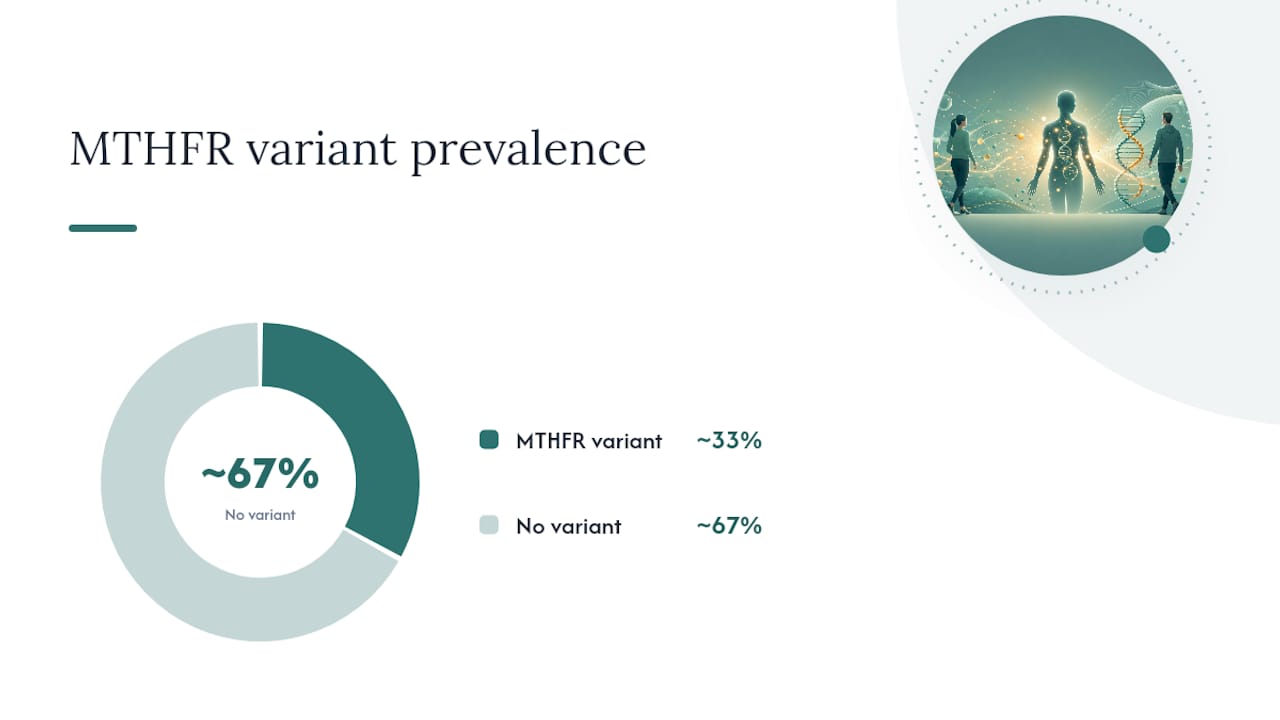
That independence is the whole appeal. Roughly a third of people carry a variant in the MTHFR gene that slows the folate-dependent remethylation pathway. TMG sidesteps that bottleneck entirely, which is why clinicians reach for it when they need reliable methylation support regardless of someone’s genetic profile, a point backed by reviews of BHMT and betaine metabolism.
On the clinical evidence: trials and meta-analyses using TMG doses in the gram range report measurable reductions in plasma homocysteine, according to research on TMG’s effect on homocysteine. A separate meta-analysis on betaine dosing supports the same pattern across a range of intakes, with lower maintenance doses of 500 to 2,000mg commonly used outside clinical settings.
Practically, this means TMG doesn’t just lower a number on a lab report. It preserves the SAM pool that NNMT activity draws down, which is precisely the resource NMN metabolism puts under pressure.
- TMG’s remethylation route is B12 and folate independent.
- Gram-scale doses produce measurable homocysteine reductions in trials.
- Lower maintenance doses (500 to 2,000mg) are common in longevity protocols rather than clinical ones.
Who benefits most from stacking TMG with NMN
Not everyone taking NMN needs to add TMG immediately, but several groups should treat it as a priority rather than an afterthought.
- High-dose NMN users. Anyone taking 500mg or more daily is pushing more nicotinamide through the NNMT pathway, which raises the case for methyl donor support.
- People with elevated homocysteine or known MTHFR variants. If a baseline blood test shows homocysteine above the optimal range, or you know you carry a common MTHFR polymorphism, TMG’s B12-independent pathway is directly useful.
- Older adults and those with low dietary methyl-donor intake. Betaine intake tends to drop with age and with diets low in whole grains and root vegetables, making supplementation more relevant.
- Low-dose or occasional NMN users. If you’re taking 250mg or less and your homocysteine sits comfortably in range, TMG is likely optional rather than essential, though it remains a low-risk addition.
If you fall into the first three categories, TMG is worth prioritising alongside your NMN routine rather than treating it as an optional extra.
Practical dosing and timing for TMG and NMN
Dosing decisions should scale with how much NMN you’re taking, since that’s what drives methylation demand in the first place.
- 250mg NMN: 500mg TMG is a reasonable starting point for most people.
- 500mg NMN: 500 to 1,000mg TMG, adjusted based on how you respond and what testing shows.
- 750 to 1,000mg NMN: 1,000 to 2,000mg TMG, often split across two doses.
A rough 1:1 milligram ratio between TMG and NMN is a useful starting heuristic that some practitioners use, though it isn’t a fixed physiological rule; your actual homocysteine result should carry more weight than any ratio.
On timing, take NMN in the morning on an empty stomach for best absorption, and take TMG with meals to reduce the chance of stomach upset. If you’re at the higher end of the TMG range, split the dose between breakfast and lunch rather than taking it all at once.
Watch for two things at higher TMG intakes: mild gastrointestinal discomfort, and a fishy body odour caused by trimethylamine, a metabolic byproduct that occurs in some people at gram-scale doses.
Pro Tip: If you notice the trimethylamine smell, splitting your TMG dose in half across the day, rather than taking it as one large dose, often resolves it without needing to reduce your total intake.
Safety, side effects and what to watch for
TMG is generally well tolerated, but a handful of effects are worth knowing before you start.
- Mild nausea or stomach upset, particularly at doses above 2g taken without food.
- Trimethylamine odour in some people at higher gram-scale intakes.
- Occasional sleep disturbance when TMG is taken late in the day, which typically resolves by shifting the dose earlier.
Pause supplementation and speak to a clinician if you have kidney disease, are pregnant or breastfeeding, or take medications that affect methylation or homocysteine metabolism, since these situations need individual assessment rather than generic guidance. Long-term outcome data for combined NMN and TMG use over multiple years is still limited, which is a reason to favour conservative dosing and regular testing over aggressive escalation, a point echoed in NIH guidance on supplement safety.
Testing and monitoring your homocysteine levels
Plasma homocysteine is the single most actionable marker for tailoring your TMG dose, and it’s worth tracking deliberately rather than guessing.
- Get a baseline test before starting or changing your NMN and TMG routine. An optimal range sits around 5 to 9 µmol/L.
- Retest at three months after starting or adjusting doses to see how your levels have moved.
- Treat readings above 10 to 12 µmol/L as a signal to act, whether that means increasing TMG, adding methylfolate or methylcobalamin, or speaking to a clinician, consistent with the broader one-carbon metabolism literature.
- Recheck every six to twelve months once your levels stabilise, or sooner if you change your NMN dose significantly.
Vivetus’s approach to methylation-aware NMN stacking
Vivetus builds its recommendations around the mechanism, not the trend. Our formulations pair NMN with TMG at doses that reflect the methylation demand each protocol actually creates, rather than arbitrary round numbers.
This article was written by Jord, drawing on the mechanistic and clinical research cited throughout. If you’re new to NMN, our starter-dose bundle is built for lower methylation demand; if you’re running higher doses, the expanded stack accounts for that extra load. Either way, a baseline homocysteine test before you start is the single most useful thing you can do.
Long-term considerations for chronic TMG and NMN use
Most of the NMN human trial data covers weeks to months, not years, which means the long-term picture for combined TMG and NMN use is still being filled in. That’s not a reason to avoid the pairing. It’s a reason to build monitoring into the routine rather than treating a stack as “set and forget.”
Over years of continuous use, the practical concerns shift slightly. Sustained high-dose TMG intake should be periodically reassessed against your homocysteine trend rather than left on autopilot at a fixed dose set months or years earlier. Bodies change: kidney function, dietary methyl-donor intake, and even gut microbiome composition can all shift what a “correct” TMG dose looks like over a five or ten-year horizon.
The most sensible long-term approach treats TMG dosing as adjustable, not fixed. Retest homocysteine annually once you’re stable, and treat any upward drift as a prompt to revisit your dose rather than an alarm. Pair that with attention to overall dietary methyl donor intake, including folate-rich vegetables and choline sources, since supplementation works best as a complement to diet rather than a replacement for it.
The honest position is that NMN’s long-term safety profile, with or without TMG, rests more on mechanistic confidence than decades of outcome data. Conservative dosing, periodic testing, and willingness to adjust remain the most defensible strategy until that longer-term evidence accumulates.
Why the standard advice on this pairing undersells the testing part
Most guidance on stacking TMG with NMN spends its energy on dosing ratios and barely mentions testing at all. That’s backwards. The mechanism here is well established. NMN raises nicotinamide clearance, NNMT spends SAM to handle it, and TMG replenishes that SAM pool. What varies enormously between individuals is how much this actually matters for their homocysteine levels, and no dosing chart can tell you that. Only a blood test can.
The overrated part of this whole conversation is precision about ratios. A 1:1 milligram rule of thumb is a fine starting point, but treating it as gospel misses the point that two people on identical NMN doses can have completely different methylation reserves. One might need no TMG at all; another might need double the “standard” amount.
If there’s one thing to prioritise, it’s getting a baseline homocysteine test before adjusting anything. Dosing without that number is guessing with extra steps.
— Jord
Vivetus’s Longevity Core and Longevity Plus bundles
If you’re working out where to start, Vivetus builds two bundles around exactly the dose bands covered here. The Longevity Core bundel suits lower to moderate NMN dosing, pairing it with TMG at a ratio matched to that methylation load. The Longevity Plus bundel is built for higher-dose stacks, where NNMT activity and SAM demand are greater and the case for robust methyl donor support is stronger.

Both bundles come with subscription options for recurring delivery, every batch is purity tested, and orders over €50 ship free. Rather than buying TMG and NMN separately and guessing at ratios, a bundle takes that calculation off your hands from the start. Check your NMN dose against the bands above, then choose the bundle that matches, and pair it with a baseline homocysteine test before your first order arrives.
This article is general information, not a substitute for advice from a qualified doctor. Consult a qualified healthcare professional about your own circumstances before acting on anything here.
Sources
- TMG (trimethylglycine) related evidence — PMC article
- PubMed record on NMN human supplementation
- PMC review on nicotinamide metabolism and NNMT
- PubMed review on BHMT and betaine metabolism
- NIH Office of Dietary Supplements: health information