

Los mejores suplementos antioxidantes: evidencia, opciones y seguridad
Resumen:
- La evidencia clínica no respalda el uso generalizado de suplementos antioxidantes para un envejecimiento saludable.
- La suplementación dirigida es aconsejable solo cuando se confirma una deficiencia o necesidad específica.
- Consumir una dieta variada y rica en plantas proporciona antioxidantes naturales con beneficios comprobados para la salud.
Elegir el suplemento antioxidante adecuado parece sencillo hasta que te enfrentas a una estantería llena de productos que compiten, cada uno haciendo afirmaciones audaces sobre combatir el envejecimiento, reducir la inflamación y aumentar la vitalidad. Para adultos mayores de 40 años, las apuestas se sienten reales. Sin embargo, la evidencia científica es mucho más matizada de lo que sugiere la mayoría del marketing, y algunos suplementos conllevan riesgos genuinos para ciertos grupos. Este artículo corta el ruido presentando qué son los suplementos antioxidantes, qué opciones tienen la evidencia más clara y cómo abordar la decisión de manera segura y personalmente relevante.
Tabla de contenidos
- ¿Qué son los suplementos antioxidantes y cómo se evalúan?
- 8 ejemplos principales de suplementos antioxidantes
- ¿Qué dice la evidencia clínica más reciente?
- Cómo elegir suplementos antioxidantes de forma segura
- Por qué el mejor suplemento antioxidante es probablemente el que pasas por alto
- Explora suplementos científicamente seleccionados para tu camino hacia la vitalidad
- Preguntas frecuentes
Conclusiones clave
| Punto | Detalles |
|---|---|
| No todos los antioxidantes son iguales | Los diferentes suplementos antioxidantes varían en eficacia y seguridad; la evidencia de ensayos clínicos es más sólida que la de pruebas de laboratorio. |
| Las fuentes alimenticias son típicamente más seguras | Obtener antioxidantes de alimentos integrales es generalmente más seguro y beneficioso que de suplementos, a menos que se trate una deficiencia. |
| Suplementa de manera inteligente, no a ciegas | Los suplementos antioxidantes deben usarse con una justificación clara, adaptados a las necesidades individuales y, preferiblemente, bajo la guía de un profesional. |
| Riesgos de algunos suplementos | Algunos suplementos antioxidantes como el beta-caroteno y la vitamina E en dosis altas pueden aumentar los riesgos para la salud en ciertas poblaciones. |
¿Qué son los suplementos antioxidantes y cómo se evalúan?
Los suplementos antioxidantes son productos que se toman para aumentar la defensa del cuerpo contra el estrés oxidativo, un proceso en el que moléculas inestables llamadas radicales libres dañan las células. Sin embargo, no todos los suplementos antioxidantes pertenecen a la misma categoría de sustancias. Algunos son nutrientes esenciales que el cuerpo no puede producir en cantidades adecuadas por sí solo, mientras que otros son compuestos no nutrientes que se encuentran en plantas o que el cuerpo produce.
Los antioxidantes nutrientes esenciales incluyen vitaminas y minerales como la vitamina C, la vitamina E, el beta-caroteno, el selenio y el zinc. Los antioxidantes no nutrientes incluyen compuestos como los explicados en el soporte antioxidante como los polifenoles, flavonoides, carotenoides como la luteína y el licopeno, y la coenzima Q10. Los tipos de suplementos antioxidantes también incluyen ácido alfa-lipoico y glutatión, ambos presentes en los alimentos y producidos dentro del cuerpo.
La distinción crítica es entre la actividad en laboratorio y el beneficio clínico probado. Muchos suplementos antioxidantes se comercializan basándose en pruebas químicas hechas en una placa de Petri o en modelos animales. Estos muestran resultados impresionantes. Pero la actividad in vitro a menudo no se traduce en una prevención significativa de enfermedades o mejora de la salud en humanos reales. Los ensayos clínicos en personas son el estándar adecuado, y los resultados de estos son considerablemente más cautelosos que el lenguaje en la mayoría de las etiquetas de suplementos.
“Un compuesto que neutraliza radicales libres en un tubo de laboratorio no protege automáticamente tu sistema cardiovascular ni ralentiza el envejecimiento de tus tejidos. El cuerpo humano es mucho más complejo que cualquier experimento controlado.”
Las principales categorías de suplementos antioxidantes son:
- Vitaminas: Vitamina C (ácido ascórbico), vitamina E (tocoferoles y tocotrienoles), beta-caroteno
- Minerales: Selenio, zinc
- Polifenoles y flavonoides: Resveratrol, quercetina, curcumina, extracto de té verde
- Carotenoides: Luteína, zeaxantina, licopeno, astaxantina
- Compuestos que contienen azufre: Ácido alfa-lipoico, glutatión, N-acetilcisteína
- Otros: Coenzima Q10 (CoQ10)
Entender estas categorías te ayuda a hacer mejores preguntas antes de comprar cualquier producto.
8 ejemplos principales de suplementos antioxidantes
Con lo básico explicado, desglosaremos los suplementos antioxidantes más comunes, lo que ofrecen y cuándo usar precaución.
Antioxidantes para el envejecimiento son un grupo amplio y variado. Ningún suplemento único ofrece un beneficio universal para todos los adultos, y conocer la evidencia específica detrás de cada uno es muy importante.
Los antioxidantes más reconocidos en forma de suplemento incluyen vitamina C, vitamina E, beta-caroteno, selenio, zinc, polifenoles, ácido alfa-lipoico, CoQ10, carotenoides y glutatión. Aquí está lo que necesitas saber sobre cada uno.

La vitamina C es soluble en agua, se encuentra ampliamente en frutas cítricas y verduras, y generalmente es segura en dosis típicas de suplementos. Apoya la función inmunológica y la síntesis de colágeno. Dosis altas por encima de 2,000 mg al día pueden causar molestias gastrointestinales.
Vitamina E es soluble en grasa y se encuentra en frutos secos, semillas y aceites vegetales. Es uno de los suplementos antioxidantes más estudiados, pero la suplementación en dosis altas se ha relacionado con un mayor riesgo de ciertas condiciones, lo que se aborda más en la sección de evidencia.
Beta-caroteno es un pigmento vegetal que el cuerpo convierte en vitamina A. Se encuentra en zanahorias, batatas y verduras de hoja verde. La seguridad del beta-caroteno es una consideración importante: el beta-caroteno suplementario conlleva riesgos notables para fumadores y personas con antecedentes de exposición al asbesto, aunque el beta-caroteno proveniente de los alimentos parece seguro y puede reducir el riesgo de algunas enfermedades.
Selenio es un mineral traza que se encuentra en las nueces de Brasil, mariscos y cereales. Apoya la función tiroidea y la salud inmune. La ingesta excesiva de selenio a través de suplementos puede ser tóxica, por lo que la dosis es muy importante aquí.
Zinc apoya la cicatrización de heridas, la respuesta inmune y la actividad enzimática. Las ostras, la carne y las legumbres son buenas fuentes alimenticias. La suplementación a largo plazo con dosis altas de zinc puede interferir con la absorción de cobre.
Polifenoles y flavonoides provienen de alimentos vegetales, incluyendo bayas, vino tinto y té verde. El resveratrol y la curcumina están entre los más comercializados. La evidencia clínica humana para la prevención de enfermedades sigue siendo limitada a pesar de hallazgos prometedores en laboratorio.
Ácido alfa-lipoico es soluble tanto en agua como en grasa, lo que lo hace inusual entre los antioxidantes. Se produce de forma natural en el cuerpo y se encuentra en pequeñas cantidades en la carne roja y las espinacas. Algunas evidencias apoyan su uso en la neuropatía diabética, aunque la investigación para el envejecimiento saludable general es inconclusa.
CoQ10 se produce de forma natural en el cuerpo y se encuentra en las vísceras, pescados grasos y algunos frutos secos. Desempeña un papel en la producción de energía celular. El CoQ10 en el cuerpo disminuye con la edad, por lo que a menudo se comercializa para adultos mayores de 40 años. La evidencia de un beneficio generalizado en adultos sanos aún es limitada, y los recursos sobre antioxidantes y vitalidad exploran esto con mayor profundidad.
Los carotenoides (luteína, zeaxantina, licopeno) se encuentran en verduras de hoja verde, tomates y pimientos amarillos. La luteína y la zeaxantina tienen evidencia sólida que respalda la salud ocular, especialmente para reducir el riesgo de degeneración macular relacionada con la edad.
El glutatión es el principal antioxidante interno del cuerpo. La suplementación oral enfrenta desafíos de absorción porque la molécula se descompone en el sistema digestivo antes de que pueda ser utilizada por las células.
| Suplemento | Categoría | Fuente principal de alimento | Beneficio o riesgo notable |
|---|---|---|---|
| Vitamina C | Nutriente | Cítricos, pimientos | Generalmente seguro; dosis altas causan problemas gastrointestinales |
| Vitamina E | Nutriente | Nueces, semillas | Dosis altas vinculadas a mayor riesgo en algunos grupos |
| Beta-caroteno | Nutriente | Zanahorias, batata | Riesgo para fumadores en forma de suplemento |
| Selenio | Mineral | Nueces de Brasil, mariscos | Tóxico en exceso |
| Zinc | Mineral | Ostras, legumbres | Interfiere con el cobre en dosis altas |
| Polifenoles | No nutriente | Bayas, té verde | Evidencia limitada en ensayos humanos |
| Ácido alfa-lipoico | No nutriente | Carne roja, espinaca | Alguna evidencia para neuropatía |
| CoQ10 | No nutriente | Vísceras, pescado | Apoyo energético; prueba limitada en adultos sanos |
| Luteína/Zeaxantina | No nutriente | Verduras de hoja verde | Buena evidencia para la salud ocular |
| Glutatión | No nutriente | Producción interna | Mala absorción oral |
Consejo profesional: Si tu dieta incluye regularmente verduras coloridas, bayas, nueces y pescado graso, ya estás obteniendo una amplia gama de compuestos antioxidantes en sus formas más biodisponibles. Los suplementos son más útiles cuando la dieta es insuficiente o se confirma una deficiencia específica.
¿Qué dice la evidencia clínica más reciente?
Habiendo explorado qué suplementos son populares, es crucial ver cómo funcionan en estudios científicos y qué afirmaciones están respaldadas por ensayos robustos.
La fuente más autorizada de evidencia sobre la suplementación con antioxidantes y los resultados en salud son los datos de revisiones sistemáticas de ensayos a gran escala. Una revisión importante de Cochrane analizó 78 ensayos controlados aleatorios con 296,707 participantes y no encontró un beneficio claro para prevenir la mortalidad. De manera llamativa, el beta-caroteno y la vitamina E se asociaron con señales de aumento de mortalidad en ciertas poblaciones.
Esto no significa que todos los suplementos antioxidantes sean inútiles para todas las personas. El contexto importa enormemente. Existe evidencia de beneficio en entornos clínicos específicos, como la luteína y la zeaxantina para la salud ocular, o ciertos antioxidantes usados junto con tratamientos convencionales para enfermedades por deficiencia nutricional. Pero la premisa general de que los suplementos antioxidantes prolongan la vida o previenen enfermedades importantes en adultos sanos no está respaldada por los datos actuales de ensayos de alta calidad.
“La brecha entre lo que los antioxidantes hacen en un entorno controlado de laboratorio y lo que logran dentro de un cuerpo humano vivo y envejecido ha resultado ser una de las lecciones más instructivas en la ciencia nutricional.”
La investigación de Stanford sobre antioxidantes dietéticos encontró de manera similar que la suplementación no mejora de forma confiable los marcadores de inflamación ni produce resultados beneficiosos consistentes en adultos. Estos hallazgos refuerzan la necesidad de precaución antes de adoptar una rutina amplia y a largo plazo de suplementos.
¿Por qué los resultados de laboratorio difieren tanto de los resultados clínicos? Varias razones lo explican. Primero, los antioxidantes en los alimentos vienen acompañados de miles de otros fitoquímicos que trabajan juntos. Aislar un compuesto elimina esa sinergia. Segundo, el estrés oxidativo no es universalmente dañino; el cuerpo usa los radicales libres como moléculas señalizadoras y para la función inmune. Saturar el sistema con antioxidantes puede alterar esos procesos.
En tercer lugar, la dosis importa. Dosis altas de ciertos suplementos antioxidantes, incluyendo la vitamina E, conllevan riesgos de seguridad reconocidos en algunas poblaciones, como un mayor riesgo de sangrado y posible interferencia con algunos tratamientos contra el cáncer.
| Suplemento | Evidencia de beneficio | Riesgo o preocupación conocida |
|---|---|---|
| Vitamina C | Modesto para la función inmune | Malestar gastrointestinal en dosis altas |
| Vitamina E | Inconsistente; sin beneficio claro en mortalidad | Señales de riesgo aumentadas en dosis altas |
| Beta-caroteno | Sin beneficio en ensayos; daño en fumadores | Mayor riesgo de cáncer de pulmón en fumadores |
| Luteína/Zeaxantina | Buena evidencia para la salud ocular | Generalmente bien tolerado |
| CoQ10 | Limitado en adultos sanos | Generalmente seguros; algunas interacciones con medicamentos |
| Polifenoles | Datos prometedores pero insuficientes en ensayos | Generalmente seguros en dosis típicas |
La base de evidencia es clara: los consejos de seguridad para suplementos no son una lectura opcional. Para adultos mayores de 40 años, entender los riesgos a dosis específicas es tan importante como comprender los beneficios potenciales.
Cómo elegir suplementos antioxidantes de forma segura
Según lo que dice la evidencia, tomar la decisión correcta implica una consideración individual cuidadosa y salvaguardas prácticas.
No existe un suplemento único que sea adecuado para todos. Su estado de salud personal, condiciones existentes, medicamentos y patrones dietéticos determinan si un suplemento antioxidante en particular es apropiado. Los siguientes pasos ofrecen un enfoque estructurado.
-
Evalúe primero su dieta. Antes de recurrir a los suplementos, evalúe si sus hábitos alimenticios diarios proporcionan una amplia variedad de antioxidantes. Una dieta estilo mediterráneo rica en verduras, frutas, legumbres, frutos secos y pescado ofrece un perfil antioxidante muy variado sin los riesgos de dosis concentradas.
-
Consulte a un profesional de la salud. Un médico general, dietista registrado o especialista puede identificar si tiene una deficiencia real. Hay análisis de sangre para vitaminas C, E, selenio y zinc que proporcionan información objetiva sobre sus necesidades.
-
Apunte a la suplementación específica, no a la cobertura amplia. La evidencia apoya consistentemente suplementar para corregir una deficiencia confirmada en lugar de tomar antioxidantes como seguro general. Si los análisis de sangre revelan bajo selenio, la suplementación dirigida tiene sentido. Tomar una docena de antioxidantes diariamente porque cree que podrían ayudar es un asunto completamente diferente.
-
Elija marcas reputadas. Busque certificaciones de pruebas de terceros en la etiqueta, como NSF International, USP o Informed Sport. Estas certificaciones indican que el producto contiene lo que afirma, en la dosis indicada, sin contaminantes dañinos.
-
Verifique las interacciones con medicamentos. La vitamina E puede interactuar con medicamentos anticoagulantes. El zinc puede afectar la absorción de antibióticos. La CoQ10 puede interactuar con ciertos medicamentos para el corazón. Siempre informe a su médico sobre los suplementos que toma.
-
Respete la dosis. Más no es mejor con los antioxidantes. Manténgase dentro o por debajo de los niveles máximos tolerables establecidos por los organismos reguladores, a menos que un profesional de la salud indique lo contrario.
-
Revise regularmente. Sus necesidades a los 45 pueden diferir de sus necesidades a los 60. Una rutina de suplementos establecida hace años debe revisarse periódicamente teniendo en cuenta los cambios en la salud, la dieta y la evidencia.
Consejo profesional: Al leer la etiqueta de un suplemento, observe la dosis por porción en relación con la ingesta diaria de referencia o la ingesta diaria recomendada. Un producto que proporciona el 1.000 % de la ingesta diaria de referencia para una vitamina liposoluble merece una conversación con su médico antes de comenzar.
Los hallazgos sobre la señal de mortalidad en la revisión de Cochrane destacan que incluso la suplementación bien intencionada puede tener consecuencias para la población general. De manera similar, los riesgos del beta-caroteno están especialmente bien documentados para los fumadores, lo que hace que la evaluación personalizada sea imprescindible. Para una visión más amplia de lo que importa después de los 50, la guía suplementos después de los 50 ofrece un contexto adicional.
Por qué el mejor suplemento antioxidante es probablemente el que pasas por alto
Más allá de listas de verificación y etiquetas, la experiencia muestra otro ángulo para mejorar verdaderamente la vitalidad a medida que envejecemos.
La industria de suplementos ha hecho un trabajo efectivo al presentar la ingesta de antioxidantes como un juego de números: cuanto mayor sea la capacidad antioxidante por cápsula, mejor será el producto. Pero esta presentación lleva silenciosamente a muchos adultos conscientes de su salud a gastar sumas significativas en productos que la evidencia clínica no respalda para uso general.
La realidad incómoda es que para adultos sanos sin deficiencias diagnosticadas, la suplementación universal a largo plazo con antioxidantes carece en gran medida del respaldo de los mismos ensayos clínicos que la industria cita selectivamente. Los datos de la revisión Cochrane, los hallazgos de Stanford Nutrition y los riesgos conocidos asociados con suplementos específicos de dosis altas apuntan en una dirección: el uso dirigido funciona, el uso generalizado es cuestionable.
Lo que la evidencia respalda, de manera consistente y a lo largo de décadas de investigación dietética, es que las fuentes alimentarias completas de antioxidantes se asocian con mejores resultados de salud. Comer una dieta variada y rica en plantas aporta antioxidantes junto con fibra, polifenoles, minerales y vitaminas en combinaciones que los suplementos no pueden replicar. La sinergia entre estos compuestos en los alimentos parece importar.
Esto no significa que los suplementos no tengan valor. Son herramientas valiosas en situaciones específicas. Los suplementos de luteína y zeaxantina tienen evidencia real para personas preocupadas por la degeneración macular relacionada con la edad. Corregir una deficiencia confirmada de selenio o zinc con suplementación dirigida es totalmente apropiado. La CoQ10 puede tener un papel para adultos que toman ciertos medicamentos con estatinas, donde la producción natural de CoQ10 puede verse afectada.
El cambio que vale la pena hacer es pasar de “qué suplemento debería añadir a mi rutina” a “¿tengo una necesidad específica que un suplemento pueda cubrir?” Las ideas sobre el apoyo antioxidante son más útiles cuando se aplican a brechas reales e identificadas en lugar de teóricas.
Más no siempre es mejor. A veces, la decisión de salud más efectiva es la más cuidadosa.
Explora suplementos científicamente seleccionados para tu camino hacia la vitalidad
Si este artículo ha aclarado cómo abordar la suplementación con antioxidantes de manera más cuidadosa, el siguiente paso es encontrar productos que cumplan con rigurosos estándares de calidad y que se ajusten a necesidades de salud genuinas.
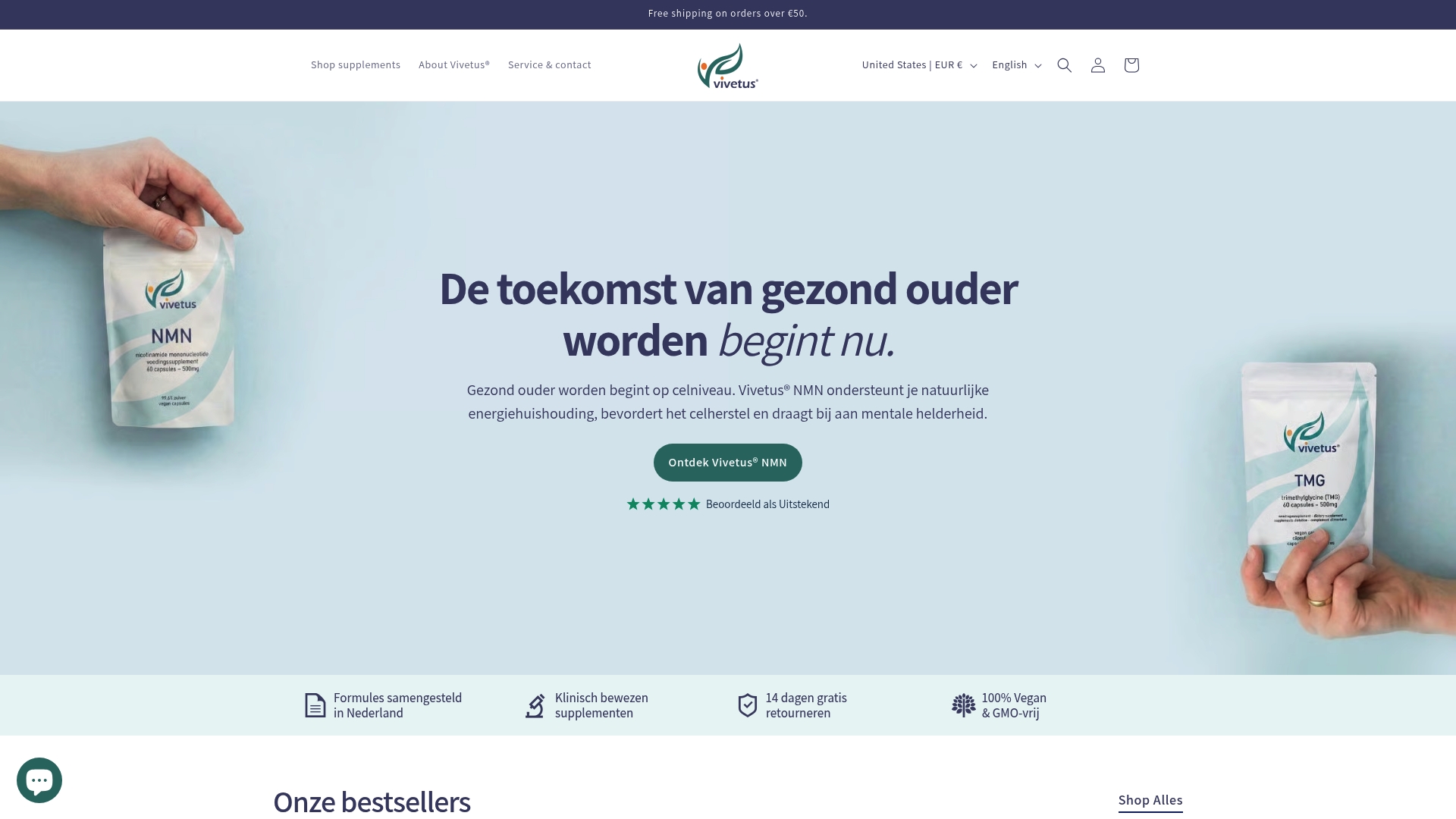
En Vivetus, el enfoque está en suplementos respaldados científicamente diseñados para apoyar un envejecimiento saludable y la vitalidad general. La gama está curada con base en la evidencia, no solo en afirmaciones de marketing, facilitando la selección de opciones adecuadas para tu situación individual. Ya sea que estés abordando una deficiencia confirmada, apoyando la salud ocular o explorando la CoQ10 para el metabolismo energético, Vivetus ofrece productos confiables con entrega gratuita en pedidos superiores a 50 €. Explora la gama completa en vivetus.eu y accede a artículos de apoyo para tomar decisiones informadas y seguras sobre suplementos.
Preguntas frecuentes
¿Son necesarios los suplementos antioxidantes para un envejecimiento saludable?
Para la mayoría de los adultos, una dieta equilibrada rica en frutas y verduras ofrece un beneficio antioxidante más confiable que la suplementación rutinaria. La evidencia para el uso general de suplementos sigue siendo mixta, y la suplementación dirigida para corregir una deficiencia es un enfoque más basado en la evidencia.
¿Existen riesgos asociados con tomar suplementos antioxidantes?
Sí, ciertos antioxidantes conllevan riesgos documentados para algunos grupos. Los suplementos de betacaroteno aumentan el riesgo de cáncer de pulmón en fumadores, y la vitamina E en dosis altas se asocia con un mayor riesgo de hemorragias y otros efectos adversos en algunas poblaciones.
¿Qué suplemento antioxidante tiene la evidencia más sólida de beneficio?
Ningún suplemento antioxidante tiene evidencia consistentemente fuerte para prevenir enfermedades o prolongar la vida en adultos sanos. Una revisión Cochrane con casi 300,000 participantes no encontró un beneficio claro en la mortalidad por la suplementación antioxidante en general.
¿Debería tomar CoQ10 para la energía y el envejecimiento?
La CoQ10 está involucrada en la producción de energía celular y sus niveles disminuyen naturalmente con la edad. Sin embargo, los beneficios de la suplementación con CoQ10 para la mayoría de los adultos sanos no están comprobados en grandes ensayos clínicos, siendo más relevante para poblaciones específicas como quienes toman medicamentos con estatinas.
¿Es mejor obtener antioxidantes de los alimentos o de suplementos?
Los alimentos ricos en antioxidantes generalmente se consideran más seguros y beneficiosos para la salud a largo plazo. Por ejemplo, el betacaroteno proveniente de los alimentos se considera seguro y está asociado con un menor riesgo de enfermedades, mientras que la forma en suplemento conlleva riesgos específicos para ciertas personas.