

Immune health tips for adults: evidence-based steps
Supporting your immune system reliably comes down to eight daily and weekly habits, each backed by public health evidence. Here is the checklist:
- Eat a plant-forward, Mediterranean-style pattern with at least 400 g of fruit and vegetables daily (five portions).
- Include key immune-relevant nutrients through food first: vitamin D, zinc, and protein from whole-food sources.
- Move regularly: aim for 150 minutes of moderate-intensity activity per week.
- Maintain a healthy weight (BMI 18.5–25) to reduce chronic inflammation that undermines immune competence.
- Sleep 7–9 hours consistently; sleep disruption measurably reduces vaccine response and raises infection susceptibility.
- Manage chronic stress with daily micro-practices such as mindfulness, social connection, and structured rest.
- Avoid smoking and limit alcohol to within public health guidance; both directly impair immune pathways.
- Practise hand hygiene and keep vaccinations current; these reduce infection risk more reliably than any dietary shortcut.
Supplements can correct specific deficiencies, but they do not replace the above. Expect meaningful improvements over weeks to months, not days.
Key takeaways
Consistent daily habits, not single supplements or quick fixes, are what reliably support immune function over time.
| Point | Details |
|---|---|
| Diet is the foundation | A Mediterranean-style pattern with at least 400 g of fruit and vegetables daily supports long-term immune resilience. |
| Activity and weight matter | 150 minutes of moderate exercise per week reduces chronic inflammation that impairs immune competence. |
| Sleep is non-negotiable | Adults sleeping 7–9 hours consistently show better vaccine response and lower infection susceptibility than those sleeping fewer than six hours. |
| Test before supplementing | Only supplement for confirmed deficiencies; EFSA authorises immune-function claims only for specific nutrients such as vitamin D and zinc. |
| Vivetus for targeted support | Vivetus offers vegan, third-party tested supplements for adults seeking to correct specific deficiencies alongside a healthy lifestyle. |
Table of Contents
- What should you eat to support immune health?
- How does physical activity affect your immune resilience?
- How does sleep affect your immune system?
- Which stress-management practices support immunity?
- How do smoking and alcohol affect your immune defences?
- What hygiene and vaccination steps reduce your infection risk?
- What does the evidence say about immune health supplements?
- When should you seek medical advice?
- A simple one-week plan to put these tips into practice
- Why long-term habits matter more than quick fixes
- Vivetus: clinically-backed supplements for targeted immune support
- Sources
What should you eat to support immune health?
A Mediterranean-style dietary pattern reduces all-cause mortality and supports the long-term systemic health that underpins immune resilience. The 2025 joint Italian guidelines frame it as a validated framework for healthy longevity, not a short-term fix. That framing matters: no single food “boosts” immunity overnight, but a consistent whole-diet pattern builds durable resilience over months and years.
The table below summarises evidence-based daily and weekly targets drawn from WHO and AESAN guidance.
| Food group or nutrient | Daily or weekly target |
|---|---|
| Fruit and vegetables | At least 400 g (5 portions) per day |
| Wholegrains | Replace refined grains at most meals |
| Oily fish | At least 2 portions per week |
| Salt | Intake limited to below a public health recommended maximum daily amount. |
| Free sugars | Intake limited to below a public health recommended maximum proportion of total energy intake. |
| Total fat | Intake limited to below a public health recommended maximum proportion of total energy intake. |
Specific foods supply the nutrients most closely linked to immune function. A narrative review of common immune-relevant foods highlights citrus fruits, berries, leafy greens, garlic, ginger, yogurt, nuts, and seeds as sources of nutrients and bioactives with immune-relevant functions. For vitamin D specifically, oily fish (salmon, mackerel, sardines), eggs, and fortified dairy are the main dietary sources available across Central Europe. Zinc is found in meat, shellfish, legumes, and pumpkin seeds. Probiotic-containing foods such as yogurt, kefir, and fermented vegetables support gut microbiota, which in turn influences immune signalling.
Pro Tip: Build meals around a base of seasonal Central European vegetables (cabbage, beetroot, carrots, kale) with a palm-sized protein portion and a small serving of wholegrains. This pattern is cheaper, more sustainable, and more nutrient-dense than relying on imported “superfoods”.
How does physical activity affect your immune resilience?
Regular moderate exercise reduces markers of chronic inflammation and supports immune function, according to clinical reviews on PubMed. The mechanism is straightforward: sustained physical inactivity promotes low-grade systemic inflammation, which progressively impairs immune competence. Moving regularly keeps that inflammatory baseline lower.
The practical targets are:
- 150 minutes of moderate-intensity activity per week (brisk walking, cycling, swimming) or 75 minutes of vigorous activity.
- 6,000–10,000 steps per day as a complementary daily movement goal.
- Two sessions of resistance or strength training per week to preserve muscle mass, which is particularly relevant for adults over 40.
Excess body fat, especially visceral fat, drives systemic inflammation. Maintaining a BMI of 18.5–25 reduces this inflammatory load and supports immune competence. Rapid weight loss, however, can itself stress the immune system; gradual, sustainable changes deliver better outcomes.
Pro Tip: If 150 minutes feels out of reach, break it into three 10-minute brisk walks per day. Commuting on foot or by bicycle for part of your journey is one of the most consistent ways to accumulate activity without needing dedicated gym time.
How does sleep affect your immune system?
Consistent, sufficient sleep is one of the most underused tools for immune support. Observational and experimental studies link short sleep duration and poor sleep quality to decreased vaccine response and greater susceptibility to infection. Adults who regularly sleep fewer than six hours show measurably impaired immune markers compared with those sleeping seven to nine hours.
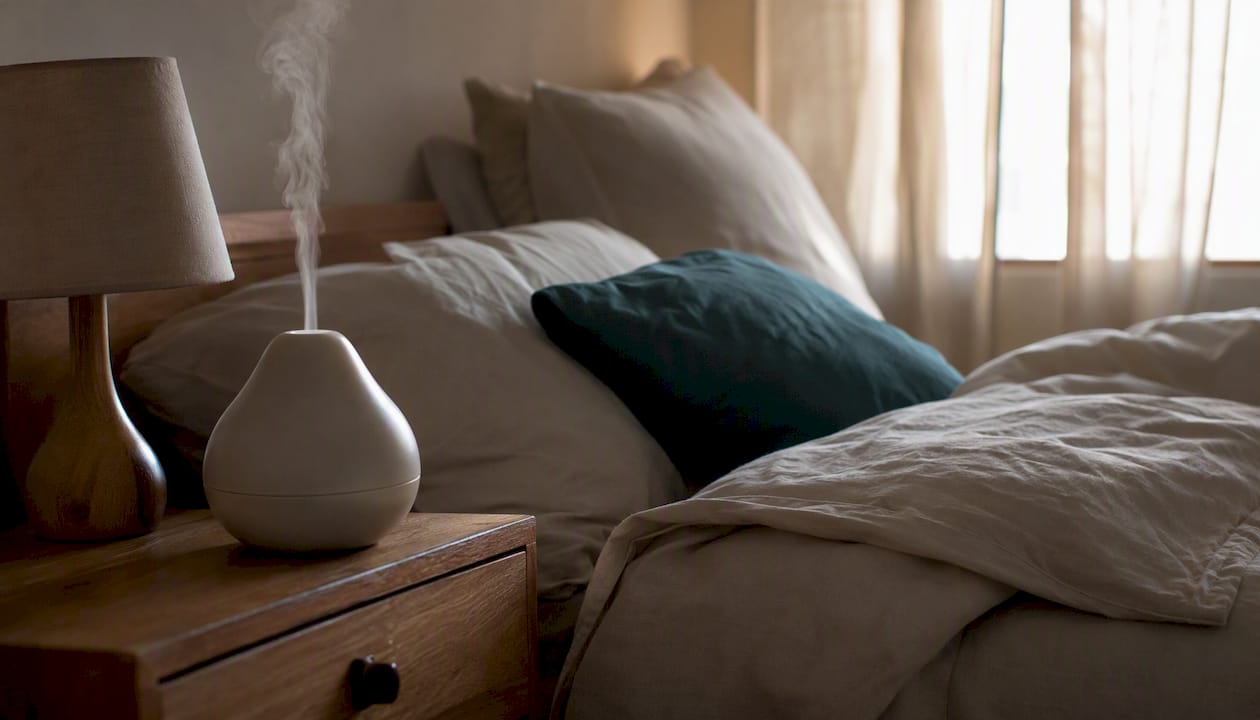
The target for most adults is 7–9 hours per night, with consistent timing being as important as duration. Irregular sleep schedules disrupt circadian rhythms that regulate immune cell activity.
Practical sleep-hygiene steps:
- Get natural light exposure within an hour of waking to anchor your circadian rhythm.
- Set a screen curfew 60–90 minutes before bed; blue light delays melatonin release.
- Keep a consistent sleep and wake time, including at weekends.
- Avoid caffeine after 2:00 PM and alcohol within three hours of sleep; both fragment sleep architecture.
- Keep the bedroom cool (around 18°C) and dark.
For shift workers and parents of young children, perfect sleep hygiene is not always achievable. Prioritise consistency where you can: even anchoring your wake time on work days reduces circadian disruption meaningfully.
Which stress-management practices support immunity?
Chronic stress suppresses immune responses through sustained elevation of cortisol and other stress hormones, reducing the body’s capacity to mount effective defences. Managing stress is therefore a direct immune health measure, not just a wellbeing nicety.
Evidence-backed practices include:
- Mindfulness and meditation: even 10 minutes of guided breathing or body-scan practice daily reduces perceived stress and inflammatory markers in short-term trials.
- Regular physical activity: exercise is one of the most consistent stress-reduction tools available, with benefits appearing within a single session.
- Social connection: maintaining close relationships is associated with better immune outcomes; isolation is a documented stressor with physiological consequences.
- Structured rest and recovery: scheduled downtime, not just sleep, allows the nervous system to reset.
Pro Tip: Micro-practices work. A 2-minute box-breathing exercise (inhale 4 counts, hold 4, exhale 4, hold 4) before a stressful meeting or at the end of a commute costs nothing and produces a measurable short-term reduction in cortisol. Stack it with an existing habit so it becomes automatic.
How do smoking and alcohol affect your immune defences?
Smoking compromises multiple immune pathways simultaneously. It impairs mucosal barriers in the respiratory tract, reduces the activity of immune cells, and increases susceptibility to respiratory infections. Cessation improves immune outcomes within weeks of stopping, with continued gains over months.
Alcohol at excessive levels suppresses both innate and adaptive immune responses. The practical guidance from Central European public health bodies aligns with WHO principles: limit intake to low-risk levels and avoid binge patterns entirely.
Practical steps to reduce both:
- Replace the habitual smoking or drinking occasion with a specific alternative (a walk, a non-alcoholic drink, a brief mindfulness practice).
- Use structured quit-smoking programmes available through national health services across Central Europe; pharmacotherapy (nicotine replacement, varenicline) combined with behavioural support produces the highest cessation rates.
- Track weekly alcohol units using a simple app or diary; awareness alone tends to reduce consumption.
- Identify your highest-risk times and plan a specific substitute behaviour in advance.
What hygiene and vaccination steps reduce your infection risk?
Hygiene and up-to-date vaccinations reduce infection risk more reliably than any dietary approach. This is not a caveat; it is the most evidence-supported statement in this article.
Practical infection-prevention actions:
- Wash hands properly: 20 seconds with soap and water, covering all surfaces including between fingers and under nails, before eating and after contact with shared surfaces.
- Handle food safely: keep raw and cooked foods separate, refrigerate perishables promptly, and cook meat to safe internal temperatures.
- Stay home when infectious: remaining at home during the first days of a respiratory illness reduces transmission and allows your immune system to direct resources to recovery.
- Use masks in high-risk settings (crowded indoor spaces during peak respiratory virus season) if you are immunocompromised or caring for vulnerable individuals.
On vaccinations: annual influenza vaccination is recommended for adults across Central Europe, particularly those over 60, those with chronic conditions, and healthcare workers. Age-based schedules (including pneumococcal, shingles, and COVID-19 boosters) should be discussed with a GP or pharmacist. Staying current with recommended vaccines is one of the most direct ways to support immune preparedness.
What does the evidence say about immune health supplements?
Supplements can correct specific deficiencies that impair immune function. They are not substitutes for diet and lifestyle, and the evidence for blanket “immune-boosting” supplementation in well-nourished adults is weak. The EFSA health-claims framework requires rigorous scientific substantiation before a nutrient can be said to “contribute to the normal function of the immune system.” Only specific nutrients have that authorisation in the EU, including vitamin D, zinc, iron, selenium, and vitamins A, B6, B12, and C.
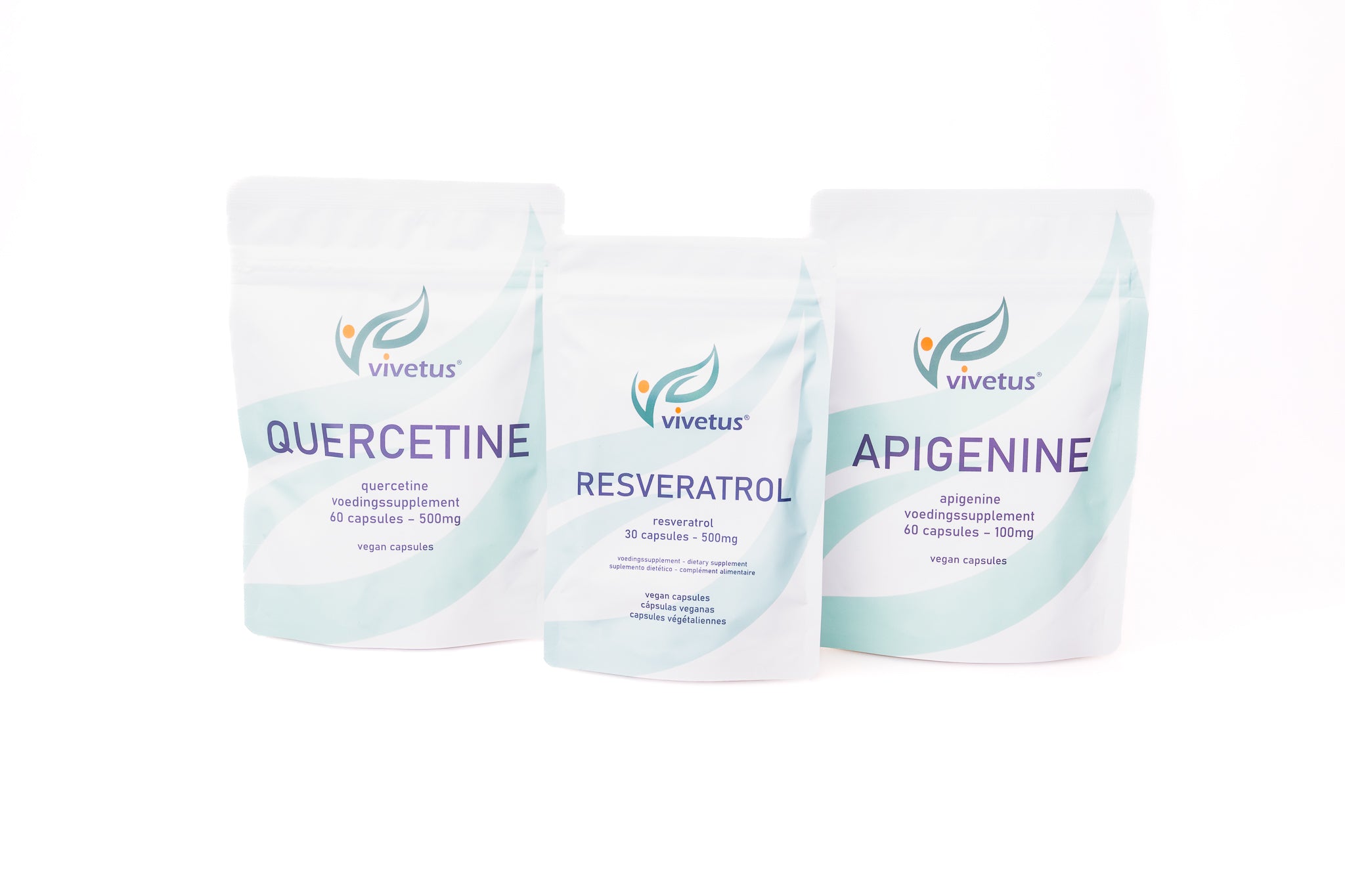
The Nordic Nutrition Recommendations note that supplements bridge deficiencies but cannot replicate the synergy of a whole-food diet. Use them when testing shows a gap, not as insurance.
Practical use cases for Central European adults:
- Vitamin D: adults in Central and Northern Europe commonly have low status during autumn and winter due to limited sun exposure. A daily supplement of 800–2,000 IU is widely recommended by national health bodies during these months.
- Zinc: targeted supplementation is appropriate only where deficiency is confirmed; excess zinc impairs copper absorption and can itself suppress immune function.
- Iron: supplementation is appropriate only with confirmed deficiency (ferritin testing); unsupervised iron supplementation carries real risks.
For a deeper review of the evidence on specific supplements, the Vivetus evidence-based immunity guide covers dosing, testing, and selection criteria in detail.
Pro Tip: When choosing a supplement, look for a certificate of analysis (CoA) from a third-party laboratory, standardised ingredient quantities on the label, and no proprietary blends that obscure individual doses. These three criteria filter out most low-quality products.
When should you seek medical advice?
Seek a clinical assessment if you experience repeated severe infections (more than two or three significant infections per year), unexplained weight loss, prolonged fever, or persistent fatigue that does not resolve with rest. These patterns can indicate an underlying immune or metabolic issue that lifestyle changes alone will not address.
Routine tests a clinician may order include a full blood count, vitamin D (25-OH-D), ferritin and iron studies, and a basic metabolic panel. These establish whether a deficiency is driving symptoms before any supplementation is started.
On timelines: expect meaningful improvements from consistent lifestyle changes over four to twelve weeks, not days. Sleep quality often improves within one to two weeks of consistent sleep hygiene. Dietary changes take longer to show in immune markers, typically six to twelve weeks. Vitamin D status, once corrected, stabilises over two to three months.
For older adults, immune function changes with age in ways that warrant specific attention. The Vivetus guide to elder immunity covers age-specific adaptations in detail.
A simple one-week plan to put these tips into practice
This plan reflects a plant-forward Mediterranean pattern with realistic activity and sleep targets. Adapt portions and meal choices to your own preferences and schedule.
Daily non-negotiables
- Eat at least five portions of fruit and vegetables.
- Drink water as your primary beverage (1.5–2 litres).
- Move for at least 30 minutes (walking counts).
- Sleep 7–9 hours at a consistent time.
- Take 2–5 minutes for a stress-reduction micro-practice.
Sample seven-day meal framework
- Breakfast: porridge with berries and a handful of walnuts, or Greek yogurt with seasonal fruit and seeds.
- Lunch: large salad with leafy greens, chickpeas or lentils, roasted vegetables, olive oil dressing; wholegrain bread on the side.
- Dinner: oily fish (salmon, mackerel) or legume-based stew with roasted root vegetables and wholegrains; two to three times per week, substitute with chicken or eggs.
- Snacks: a piece of fruit, a small handful of mixed nuts, or raw vegetables with hummus.
Weekly activity and sleep schedule
- Monday, Wednesday, Friday: 30-minute brisk walk or cycle.
- Tuesday, Thursday: 20-minute resistance session (bodyweight exercises are sufficient).
- Saturday: longer outdoor activity (60 minutes).
- Sunday: rest or gentle movement (yoga, stretching).
- Every night: consistent bedtime, screens off 60 minutes before sleep.
Compact shopping list
- Seasonal vegetables: cabbage, carrots, beetroot, kale, spinach, onions, garlic.
- Fruit: apples, oranges, berries (fresh or frozen).
- Protein: eggs, tinned oily fish, chicken, lentils, chickpeas.
- Wholegrains: oats, wholegrain bread, brown rice or quinoa.
- Dairy or alternatives: natural yogurt, kefir.
- Healthy fats: olive oil, walnuts, pumpkin seeds.
For quick-prep days, keep tinned legumes, frozen vegetables, and pre-cooked wholegrains on hand. A lentil soup or a vegetable omelette takes under 15 minutes and meets most of the day’s nutrient targets.
Why long-term habits matter more than quick fixes
The supplement market is full of products claiming to “boost” immunity. That framing is misleading, and in the EU it is also unsupported by the evidence standards EFSA requires for authorised health claims. The immune system is a complex, distributed network. It does not respond to a single nutrient the way a lock responds to a key.
What the evidence consistently shows is that durable immune resilience is built by cumulative daily habits over months and years: a varied, plant-forward diet, regular movement, consistent sleep, managed stress, and the absence of smoking and excessive alcohol. Supplements have a genuine role when a specific deficiency is confirmed, but they are a targeted correction, not a foundation.
The practical implication is this: if you are choosing between spending money on a supplement stack and spending time on sleep and cooking, the sleep and cooking will deliver more immune benefit for most adults. That is not a dismissal of supplementation; it is a sequencing recommendation. Fix the foundations first, then use targeted supplements where testing shows a genuine gap.
Readers interested in nutrition for healthy ageing after 40 will find that the same principles apply with additional considerations for micronutrient absorption and muscle preservation.
Vivetus: clinically-backed supplements for targeted immune support
Diet, sleep, and activity are the foundations. For adults who have confirmed a specific deficiency or want targeted supplementation to complement those foundations, Vivetus offers vegan, third-party tested supplements formulated for healthy ageing and vitality.
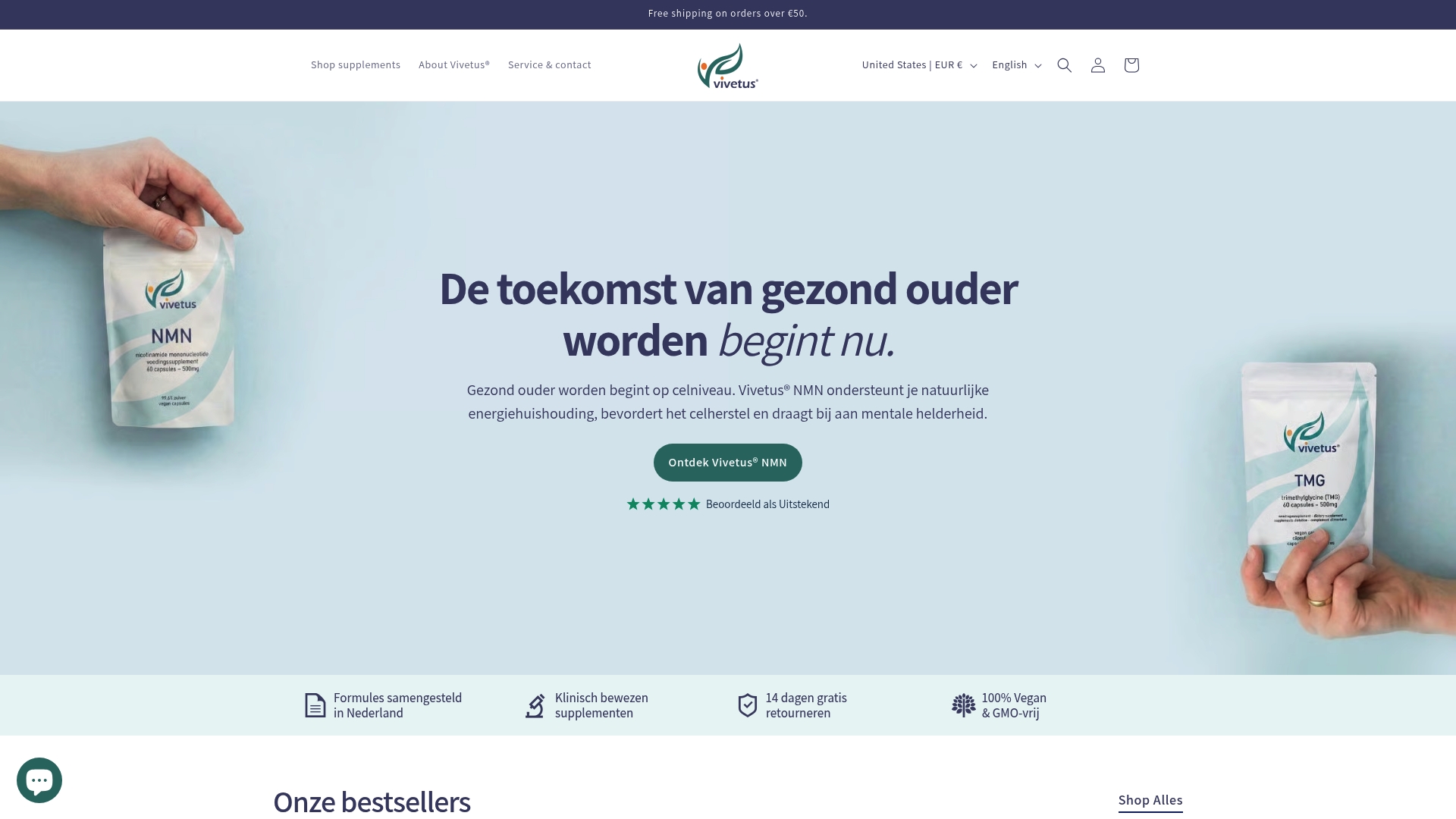
Vivetus products include vitamin D, NMN, resveratrol, quercetin, fisetin, and antioxidant blends, all tested for purity and available with subscription options for consistent, cost-effective use. Free shipping applies on orders over €50. Supplements support deficiency correction and healthy ageing; they work alongside a healthy lifestyle, not instead of one.
Browse the Vivetus supplement range to find products matched to your specific needs, or read the nutritional supplements guide for healthy ageing for a full evidence-based overview before purchasing.
Sources
- Nutrition for a healthy life – WHO recommendations
- 2025 National Guidelines on the Mediterranean Diet: Executive Summary of a Joint Report by Italian Scientific Societies and the National Institute of Health Task Force on Clinical Practice Guidelines
- Common foods for boosting human immunity: A review - PMC
- NORDIC NUTRITION RECOMMENDATIONS
- AESAN Scientific Committee: Review and update of Dietary Recommendations for the Spanish population
- Health claims (art. 13) | EFSA
This article is general information, not a substitute for advice from a qualified doctor. Consult a qualified healthcare professional about your own circumstances before acting on anything here.