

6 beneficios comprobados de los suplementos de colágeno para un envejecimiento activo
Resumen:
- Elegir un suplemento de colágeno requiere seleccionar colágeno hidrolizado con certificación de terceros y fuentes transparentes para asegurar biodisponibilidad y pureza. La evidencia indica beneficios modestos para la hidratación de la piel, elasticidad y alivio del dolor articular, especialmente con uso constante durante varios meses en poblaciones específicas. Aunque generalmente es seguro, las personas deben revisar posibles interacciones con medicamentos y combinar la suplementación con un estilo de vida saludable para obtener resultados óptimos.
Elegir un suplemento de colágeno puede sentirse como navegar en un mercado saturado donde las afirmaciones audaces superan la evidencia real. Cada etiqueta promete piel más firme, articulaciones sin dolor y vitalidad renovada, pero la ciencia detrás de esas promesas varía significativamente. Si tienes más de 30 años y te tomas en serio la salud de tu piel y articulaciones, mereces un desglose claro y basado en evidencia de lo que los suplementos de colágeno pueden hacer realmente, cómo seleccionar un producto de calidad y dónde aún hay lagunas en la investigación. Este artículo cubre todo eso, sin el ruido del marketing.
Tabla de contenidos
- Cómo elegir el suplemento de colágeno adecuado
- 1. Mejora de la hidratación y elasticidad de la piel
- 2. Alivio del dolor articular respaldado por evidencia
- 3. Apoyo a la fuerza muscular y ósea
- Cuadro comparativo: Beneficios clave y fuerza de la evidencia
- Seguridad y consideraciones
- Perspectiva: Lo que la mayoría de los artículos sobre suplementos no mencionan acerca del colágeno
- Dando el siguiente paso hacia un envejecimiento saludable
- Preguntas frecuentes
Conclusiones clave
| Punto | Detalles |
|---|---|
| El colágeno hidrolizado es el mejor | El colágeno hidrolizado es el más fácil de absorber y está respaldado por la investigación. |
| Reducción del dolor articular | El uso constante ayuda a manejar la osteoartritis y el malestar articular en adultos mayores. |
| Mejora modesta de la piel | Los beneficios para la hidratación y elasticidad de la piel son reales pero modestos, con resultados más fuertes en estudios financiados por empresas. |
| Uso generalmente seguro | La mayoría de las personas tolera bien el colágeno, aunque pueden ocurrir problemas digestivos leves. |
| Los suplementos requieren paciencia | Los efectos beneficiosos suelen acumularse durante al menos 2–3 meses de suplementación diaria. |
Cómo elegir el suplemento de colágeno adecuado
Entender qué buscar en un suplemento prepara el terreno para examinar sus beneficios reales. No todos los productos de colágeno son iguales, y la forma, la dosis y las certificaciones de calidad importan mucho más que el empaque.
La forma es lo más importante. El colágeno hidrolizado es esencial para la biodisponibilidad, lo que significa que se descompone en péptidos más pequeños que su cuerpo puede absorber realmente. El colágeno no hidrolizado es una molécula demasiado grande para entrar eficientemente en el torrente sanguíneo. Al leer las etiquetas, busque términos como “colágeno hidrolizado,” “péptidos de colágeno” o “hidrolizado de colágeno.” Todos se refieren a la misma forma biodisponible.
Criterios clave para revisar antes de comprar:
- Certificación de terceros. Busque sellos de NSF International, Informed Sport o USP. Estos verifican la pureza y la exactitud de la etiqueta de forma independiente al fabricante.
- Rango de dosis. La investigación respalda una dosis diaria de 2.5 a 10 gramos para la mayoría de los beneficios. Menos de 2.5 g probablemente no produzca resultados significativos.
- Transparencia en la fuente. Los productos deben indicar claramente si el colágeno es de origen bovino, marino o porcino. Esto es importante para quienes tienen restricciones dietéticas o alergias.
- Rellenos mínimos. Evite productos con edulcorantes artificiales excesivos, conservantes o mezclas patentadas no divulgadas.
Se reportan ocasionalmente efectos secundarios gastrointestinales leves, incluyendo hinchazón o sensación de llenura. Estos suelen depender de la dosis y se resuelven en pocos días con el uso continuado. Las personas que toman medicamentos anticoagulantes deben revisar la guía de selección de suplementos para el envejecimiento y consultar a un profesional de la salud antes de comenzar, ya que existen interacciones teóricas.
Consejo profesional: Comience con la dosis más baja recomendada, alrededor de 2.5g por día, y aumente gradualmente durante dos a tres semanas. Esto ayuda a que su sistema digestivo se adapte y facilita la identificación de cualquier sensibilidad.
1. Mejora de la hidratación y elasticidad de la piel
Con criterios de selección establecidos, examinemos el primer beneficio ampliamente reclamado: el apoyo a la salud de la piel. Esta es una de las áreas más estudiadas para la suplementación con colágeno, y la evidencia, aunque alentadora, requiere una interpretación cuidadosa.

Varios ensayos controlados aleatorios (ECA) reportan que el colágeno hidrolizado en dosis de 2.5 a 10g diarios durante ocho a doce semanas mejora la hidratación y elasticidad de la piel en una proporción significativa de participantes. Estos son el estándar de oro en la investigación clínica, lo que significa que los participantes se asignan aleatoriamente a un grupo de colágeno o a un grupo placebo, sin que ni los participantes ni los investigadores sepan quién recibió qué tratamiento.
Hallazgos clave de la investigación centrada en la piel:
- Los niveles de humedad de la piel mejoraron en múltiples ensayos que usaron de 2.5g a 10g de péptidos de colágeno hidrolizado diariamente.
- La elasticidad de la piel, medida con herramientas especializadas, mejoró en mujeres mayores de 35 años en varios ensayos de ocho semanas o más.
- Se observaron reducciones en la profundidad de las líneas finas alrededor de los ojos en algunos estudios.
- La mayoría de los participantes comenzaron a notar cambios medibles entre las semanas ocho y doce.
Sin embargo, hay una advertencia importante. Los beneficios para la salud de la piel parecen ser más débiles en estudios independientes y de alta calidad que en investigaciones financiadas por la industria, lo que sugiere cierto sesgo de publicación. En otras palabras, los estudios financiados por fabricantes de suplementos tienden a mostrar resultados positivos más fuertes que los estudios realizados sin la participación de la industria.
“La evidencia inicial apoya mejoras en la elasticidad e hidratación de la piel, pero se necesitan ensayos más grandes e independientes para confirmar la magnitud de estos efectos.” Harvard Health sobre el colágeno
¿Qué significa esto en la práctica? Mejoras modestas en la hidratación y elasticidad de la piel son plausibles, especialmente si tienes más de 40 años y tu producción natural de colágeno ha disminuido notablemente. No esperes transformaciones dramáticas. Piensa en ello como mantenimiento y mejora gradual en lugar de una reversión del envejecimiento.
2. Alivio del dolor articular respaldado por evidencia
Más allá de la piel, los suplementos de colágeno destacan por su impacto en el dolor articular, una preocupación importante a medida que envejeces. Este es posiblemente el área con la evidencia más sólida y consistentemente positiva.
Un metaanálisis de 11 ensayos controlados aleatorios encontró que la suplementación con colágeno mejoró significativamente las puntuaciones de dolor por artrosis de rodilla (diferencia media de 13.63 puntos en una escala estandarizada) y la función física (diferencia media de 6.46). Estos son números clínicamente significativos, no artefactos estadísticos marginales.
Los siguientes pasos describen el protocolo típico utilizado en ensayos exitosos para beneficios articulares:
- Evaluación inicial. Los participantes con dolor confirmado de artrosis de rodilla son evaluados por la gravedad del dolor y la función articular antes de que comience el estudio.
- Suplementación diaria. Se consumen dosis diarias de 5g a 10g de péptidos de colágeno hidrolizado, a menudo disueltos en agua o una bebida.
- Duración de al menos tres meses. Los ensayos más cortos muestran resultados menos consistentes. El punto de los tres meses es donde las mejoras significativas se vuelven más fiables.
- Medición de seguimiento. Se reevalúan las puntuaciones de dolor y la función física usando herramientas validadas como el índice WOMAC o la escala de dolor VAS.
- Análisis de resultados. Se comparan las mejoras tanto en el dolor como en la función frente a grupos placebo.
“La evidencia más sólida apoya el alivio del dolor articular en la osteoartritis, especialmente con dosis constantes durante meses”, según la revisión sistemática y metaanálisis actualizados.
Los adultos mayores de 50 años con molestias crónicas en rodillas o caderas son el grupo más probable de obtener beneficios significativos. Si exploras más este tema, la evidencia sobre el apoyo articular recopilada para adultos mayores de 50 ofrece contexto adicional sobre lo que recomienda la investigación. También puede ser útil revisar suplementos para un envejecimiento saludable para entender cómo el colágeno encaja junto con otras opciones bien respaldadas.
3. Apoyo a la fuerza muscular y ósea
Aunque la salud de las articulaciones y la piel acapara la atención, el apoyo a músculos y huesos es un área creciente de investigación sobre el colágeno. La ciencia aquí es menos madura, pero los primeros hallazgos valen la pena conocerlos.
El colágeno representa aproximadamente el 30 % del contenido total de proteínas del cuerpo y es un componente estructural principal de los huesos y músculos. A medida que envejeces, tanto la síntesis de colágeno como la densidad ósea disminuyen. Los péptidos de colágeno hidrolizado, una vez absorbidos, circulan como di- y tripéptidos como Pro-Hyp, que han demostrado estimular fibroblastos (células de la piel) y condrocitos (células del cartílago), y también pueden apoyar a los osteoblastos responsables de la formación ósea.
Puntos clave de la investigación emergente sobre músculos y huesos:
- La suplementación con péptidos de colágeno combinada con entrenamiento de resistencia puede apoyar la retención de masa muscular magra en adultos mayores que experimentan pérdida muscular relacionada con la edad, conocida como sarcopenia.
- Datos preliminares sugieren posibles mejoras en la densidad mineral ósea con el uso prolongado de colágeno, particularmente en mujeres posmenopáusicas.
- Los resultados son más pronunciados cuando la suplementación se combina con una ingesta adecuada de calcio, vitamina D y ejercicio regular con carga de peso.
- La suplementación con colágeno por sí sola, sin ejercicio ni apoyo dietético, muestra resultados menos confiables en esta área.
Esta es un área donde la evidencia aún se está desarrollando. Revisar una guía de uso seguro de suplementos antes de añadir múltiples productos a tu rutina es un paso sensato, especialmente si ya estás tomando otros suplementos o medicamentos.
Consejo profesional: Tomar tu suplemento de colágeno alrededor de la actividad física, por ejemplo, de 30 a 60 minutos antes del ejercicio o inmediatamente después, puede potenciar su efecto en el tejido conectivo y la reparación muscular, según la investigación mecanicista actual.
Cuadro comparativo: Beneficios clave y fuerza de la evidencia
Con los beneficios individuales cubiertos, un resumen comparativo destaca dónde se muestran los efectos del colágeno de forma más confiable.
| Área de beneficio | Fuerza de la evidencia | Dosis típica | Tiempo para resultados | Notas |
|---|---|---|---|---|
| Hidratación de la piel | Moderado | 2.5–10 g/día | 8–12 semanas | Más débil en estudios independientes |
| Elasticidad de la piel | Moderado | 2.5–10 g/día | 8–12 semanas | Más consistente en ensayos industriales |
| Dolor articular (artrosis) | Fuerte | 5–10 g/día | Más de 3 meses | Mejor evidencia para artrosis de rodilla |
| Función articular | Fuerte | 5–10 g/día | Más de 3 meses | Validado en múltiples ECA |
| Retención muscular | Emergente | 10 g/día + ejercicio | Más de 3 meses | Requiere entrenamiento de resistencia |
| Densidad ósea | Preliminar | 5–10 g/día | Más de 6 meses | La mayoría de los datos provienen de mujeres posmenopáusicas |
Es importante reconocer el panorama completo. Algunos ensayos controlados aleatorios (ECA) no muestran superioridad sobre placebo para los síntomas de la artrosis de rodilla cuando se usan tipos combinados de colágeno, lo que subraya que la formulación y el tipo de producto importan. No todos los suplementos de colágeno en el mercado tienen el mismo respaldo científico. Opta por productos que contengan péptidos de colágeno hidrolizado probados en estudios clínicos publicados.
Seguridad y consideraciones
Ningún suplemento está libre de riesgos. Entender la seguridad te ayudará a tomar decisiones informadas sobre cómo incorporar el colágeno en tu rutina diaria.
La buena noticia es que los suplementos de colágeno son generalmente seguros, siendo los efectos secundarios gastrointestinales leves la preocupación más común reportada. Estos incluyen una sensación de saciedad, acidez ocasional o heces sueltas, especialmente en dosis altas. La mayoría de los usuarios no experimenta ninguno de estos efectos con dosis estándar de hasta 10 g por día.
Consideraciones clave de seguridad:
- Interacciones con medicamentos. Existen interacciones teóricas con anticoagulantes como la warfarina y con betabloqueadores. Estas no están firmemente establecidas en la evidencia clínica, pero se recomienda precaución. Consulta primero con tu médico o farmacéutico.
- Conciencia sobre alérgenos. El colágeno de origen marino puede provocar reacciones en personas con alergias a pescados o mariscos. El colágeno bovino no es adecuado para quienes siguen restricciones dietéticas específicas.
- Calidad de la fuente. Elige productos con fuentes transparentes, idealmente de bovinos alimentados con pasto o de fuentes marinas capturadas en estado salvaje, para reducir el riesgo de contaminantes.
- Interacciones con el calcio. Algunos productos de colágeno incluyen calcio añadido, lo que puede afectar la absorción de ciertos antibióticos o medicamentos para la tiroides si se toman simultáneamente.
Para consejos prácticos de seguridad en suplementos adaptados al envejecimiento saludable, siempre vale la pena revisar las guías establecidas antes de comenzar un nuevo régimen.
Consejo profesional: Guarda el polvo de colágeno en un lugar fresco y seco y siempre verifica la fecha de caducidad. El calor y la humedad pueden degradar la calidad de los péptidos con el tiempo, reduciendo la efectividad del producto.
Perspectiva: Lo que la mayoría de los artículos sobre suplementos no mencionan acerca del colágeno
Habiendo expuesto la ciencia práctica, es momento de una evaluación honesta sobre lo que estos hallazgos realmente significan para tu camino hacia la salud.
La mayoría de los artículos sobre suplementos de colágeno o bien exageran los resultados o descartan la evidencia por completo. Ningún enfoque es exacto. La realidad más matizada es que la suplementación con colágeno ofrece beneficios modestos y reales para poblaciones específicas, particularmente aquellas con disminución de la humedad de la piel o molestias articulares crónicas, pero no es una solución independiente para el envejecimiento.
Un aspecto que rara vez se aborda es el problema del financiamiento. Los beneficios para la salud de la piel son consistentemente más débiles en estudios independientes y de alta calidad que en investigaciones financiadas por la industria. Esto no significa que el colágeno sea ineficaz. Significa que la magnitud del efecto probablemente sea menor de lo que muchas marcas de productos afirman. Tener expectativas realistas te protege de la decepción y te ayuda a evaluar si un suplemento realmente está funcionando para ti.
Otro punto que se pasa por alto es que los suplementos funcionan dentro de un sistema. El colágeno no reconstruye las articulaciones ni restaura la piel de forma aislada. Funciona junto con la comida que consumes, el movimiento que realizas y el sueño que tienes. Explorar las ventajas de los suplementos nutricionales en el contexto de un marco de estilo de vida completo es el enfoque que consistentemente muestra los mejores resultados en la investigación.
La conclusión práctica es esta: si eliges un producto de colágeno hidrolizado de alta calidad, lo tomas consistentemente en una dosis respaldada por la evidencia y lo combinas con entrenamiento de resistencia y una dieta variada y rica en nutrientes, le estás dando una oportunidad real de funcionar. Si lo tomas de forma esporádica junto con una dieta pobre y esperas cambios drásticos en cuatro semanas, te decepcionarás sin importar la calidad del producto.
Dando el siguiente paso hacia un envejecimiento saludable
Con un plan honesto establecido, ahora puedes explorar con confianza cómo hacer del colágeno parte de tu rutina.
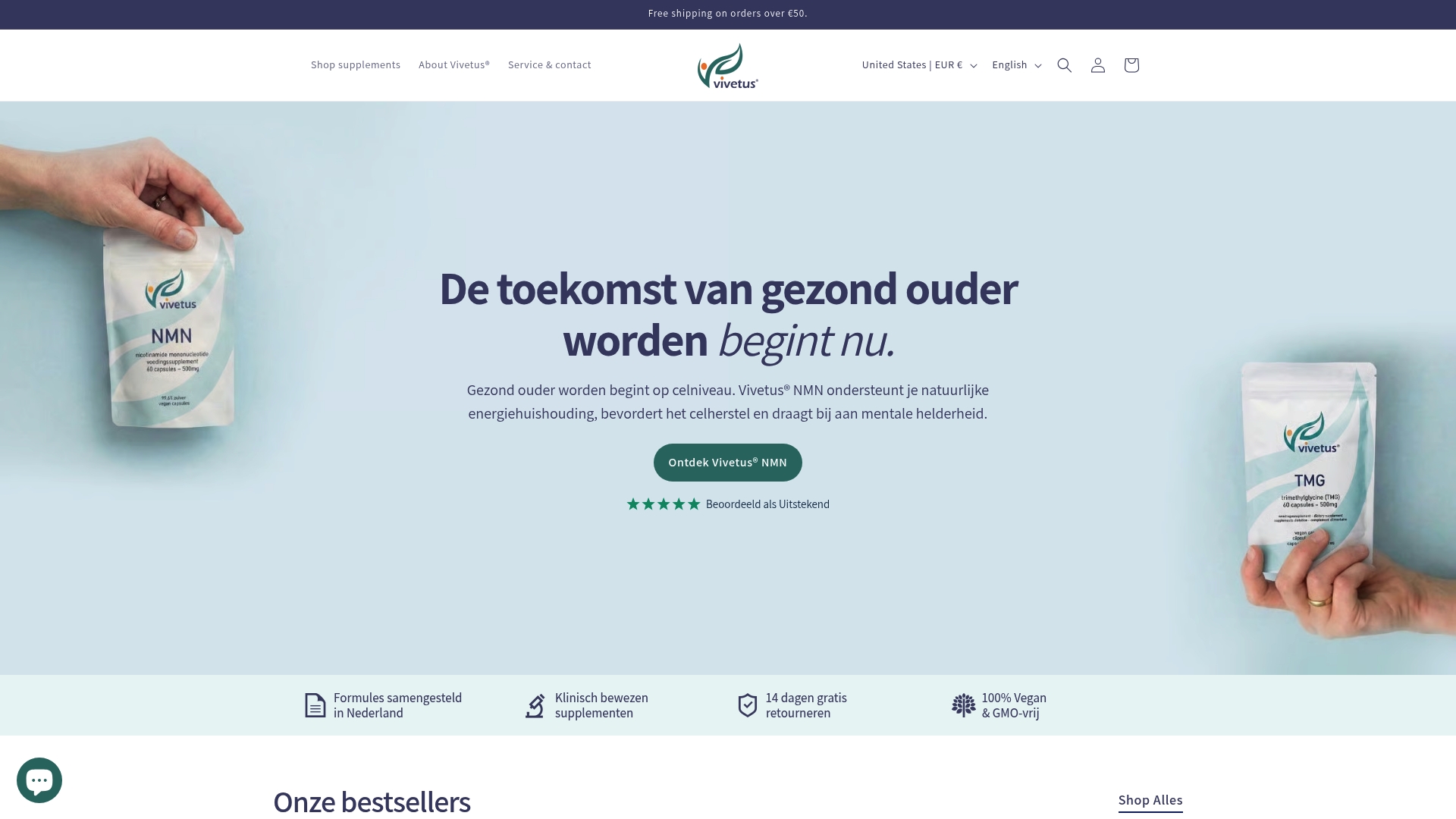
En Vivetus, nos enfocamos en suplementos respaldados científicamente que encajan en una rutina de bienestar real y sostenible. Nuestro paquete Energía y Vitalidad está diseñado para apoyar múltiples aspectos del envejecimiento saludable, incluyendo energía, confort articular y vitalidad de la piel, en un formato sencillo y alineado con la evidencia. Si estás listo para construir una rutina de suplementos basada en la investigación y no en afirmaciones de marketing, explora la gama completa en Vivetus. El envío es gratuito en pedidos superiores a 50 €, facilitando comenzar sin gastos innecesarios.
Preguntas frecuentes
¿Cuánto tiempo tarda en notarse resultados con los suplementos de colágeno?
La mayoría de los estudios sugieren que los beneficios visibles para la piel o las articulaciones aparecen después de 8 a 12 semanas de uso diario constante. Las mejoras en las articulaciones pueden requerir tres meses o más con suplementación continua.
¿Existen riesgos al tomar colágeno diariamente?
Los suplementos de colágeno son generalmente seguros para la mayoría de los adultos, aunque ocasionalmente se reportan síntomas digestivos leves como hinchazón o acidez estomacal en dosis altas. Comenzar con una dosis menor reduce este riesgo.
¿Hay diferencia entre los tipos de suplementos de colágeno?
El colágeno hidrolizado es significativamente más biodisponible que las formas no hidrolizadas y es el tipo utilizado en la mayoría de los ensayos clínicos positivos. Es la forma recomendada para un uso práctico y diario.
¿Los suplementos de colágeno ayudan con el crecimiento del cabello o las uñas?
La evidencia actual para el crecimiento del cabello y las uñas es limitada y considerablemente menos sólida que la evidencia para la hidratación de la piel o el dolor articular. Algunos usuarios reportan mejoras anecdóticas, pero los datos de ensayos controlados en esta área son escasos.
¿Se pueden tomar suplementos de colágeno con otros medicamentos?
Quienes toman anticoagulantes o betabloqueantes deben consultar a un profesional de la salud antes de comenzar con colágeno, ya que se han identificado interacciones teóricas, aunque no estén firmemente establecidas en la práctica clínica.